Reward for reducing energy consumption - Romanian Regulatory Authority: New mechanism brings an additional resource to the market

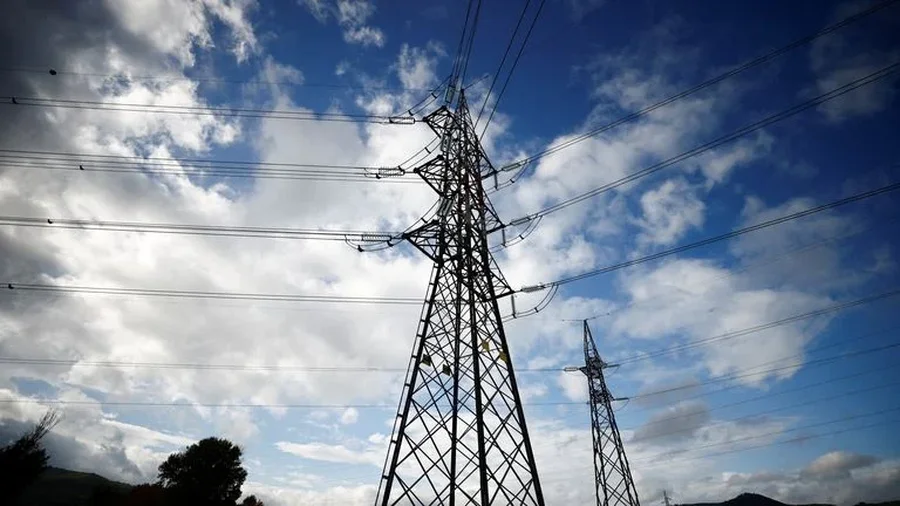
The Romanian Energy Regulatory Authority (ANRE) said it has adopted a market mechanism to pay eligible consumers for temporary and voluntary reductions in electricity use, either directly or through suppliers and aggregators.
"The new mechanism brings an additional resource to the energy market: consumption flexibility. Thus, during certain intervals, a consumer can decide that it is more economically efficient to temporarily reduce consumption and benefit from this flexibility in the market," ANRE said.
Under the mechanism, the electricity grid operator Transelectrica determines how much electricity use needs to be reduced and holds an auction. Eligible customers, suppliers, or aggregators who voluntarily participate can submit bids, specifying how much electricity they can save and at what price. Transelectrica then selects the most favorable bids until the demand is met. Metering data will be used to determine the actual reduction in consumption, and customers who meet their commitment will be paid based on the results of the auction.
ANRE stressed that this mechanism is not intended only for crisis situations and that it does not imply consumption rationing, as participation is entirely voluntary and is based on the needs of consumers themselves and the economic conditions of the market. However, the mechanism can help manage challenging periods for the National Energy System, including electricity shortages, extreme temperatures, outages and import capacity restrictions, the regulator said.
Romania is facing severe power shortages due to historically low water levels on the Danube caused by drought. Last week, the operator of the Cernavoda nuclear power plant, Nuclearelectrica, shut down Unit 2 due to low water levels, after Unit 1 was shut down in July for the same reason. The plant’s two units, each with an installed capacity of 700 MW, generate roughly a fifth of the country’s electricity production.
Earlier this month, Romania's government approved a plan to address electricity shortages in situations such as earthquakes, wars, pandemics and droughts, with an option to limit consumption for industrial consumers connected to the national grid.

Gas prices in Europe have doubled - It is predicted that the worst is yet to come
Europe is in the midst of another summer heatwave. That’s partly why the coming winter is shaping up to be a costly one. Record temperatures are driving up......

Lagarde warns EU - "Overcome market fragmentation, or miss the artificial intelligence train"
"Europe missed the first digital revolution and cannot afford to miss it again with artificial intelligence, as it has the full potential to compete," said......

The heat is changing the way of life - The town of Floridia in Sicily recorded 48.8 degrees Celsius in 2021
Five years ago, a weather station near the Sicilian town of Floridia recorded 48.8 degrees Celsius, the highest temperature officially recorded in Europe.......
Strongest business closures in almost 20 years - German businesses face difficulties
187,744 companies in Germany closed down last year, the highest number of closures in almost 20 years. This is an increase of almost 10% compared to the......
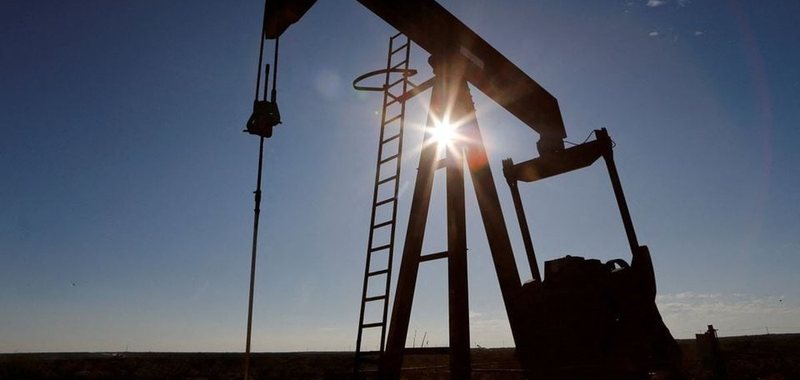
Albpetrol oil production: 4-month period/ The state-owned company produced about 21 thousand tons, Gorisht-Kocul leads
About 21 thousand tons of oil were produced by the state-owned company Albpetrol during the first 4 months of this year. Data published by the company itself......

Eye check before starting school - Topi: Screening should be done at an early age
As the start of the new school year approaches, children's health checkups take on special importance. Among them is a visit to the ophthalmologist, as......

Where is the most fruit produced in Albania? From Korça, to Lushnja and Elbasan. Here are the municipalities that lead
Fruit production constitutes one of the most important categories of the agricultural sector, accounting for a significant share in domestic production and......

More claims for insurance companies - AMF: They increased by 12% in 7 months. Bonus-malus affected motor products
The insurance market in Albania has continued to expand during the first seven months of the year, but behind this performance lie several factors that have......