Plan to solve the housing crisis in the EU - European Parliament adopts report with recommendations

The European Parliament has adopted its first report on the Housing Crisis in the European Union. With 367 votes in favour and 166 against, the report calls for joint EU action to tackle the housing crisis and lift citizens out of precarious living conditions. Recommendations include cutting red tape, scaling up the bloc's construction and innovation sectors, and mobilising greater investment and fiscal support.
With the global financial crisis of 2008, housing became a pan-European social emergency, worsening significantly after the 2020 pandemic. House prices rose by 60.5 percent since 2015, while rents rose by 28 percent. In 2025, the homeownership rate for people aged 24 to 35 had fallen by 6 percent since 2005, and one in ten people were unable to pay their rent.
The lack of affordable housing also challenges the smooth functioning of the single market, undermining Europe's long-promised economic growth and competitiveness.
The Commission's Affordable Housing Plan is the EU's attempt to change this narrative. By increasing housing supply, mobilising investment and helping citizens with immediate support mechanisms, the plan guides and supports Member States' actions towards more affordable housing.
To buy a house in the EU, Europeans need to earn, on average, about as much as they currently earn in most major cities. Price-to-income ratios often exceed 8-10 years of gross salary, rising to over 12-15 years in the least affordable capitals. To rent a house in any city with high demand, citizens need to spend around 30 to 40 percent of their income, and a growing share of new renters already exceed this threshold.
The housing crisis is evident: young people are leaving home later, the supply of social housing is insufficient, overcrowding persists in many regions and homelessness is increasing across the EU.
According to Eurostat, house prices in the EU have risen by over 60 percent since 2015. Prices outpace income growth, while rents are more than 20 percent higher. The trend varies across countries. Prices rose the most in parts of eastern and southern Europe, such as Hungary, Portugal and Lithuania, while countries like Finland saw more moderate increases or even slight declines. Western and northern European cities remain among the most expensive overall.

South Korea launches energy saving - From charging phones and vehicles, to household appliances
South Korean Lee calls for energy-saving campaign, including shorter showers and curbs for cars. South Korean President Lee Jae-Myung called for a......
State pensions in Europe - Where do they best cover the cost of living?
State pensions as a share of the cost of living vary widely across Europe. In Northern and Western Europe, pensions often meet or exceed basic expenses,......

Global oil prices drop 6% - Trump postpones attacks on Iran power plants
US President Donald Trump said he had ordered a halt to attacks on Iranian energy infrastructure after "very good and productive talks" with Tehran and that......

The Albanian Investment Development Agency (AIDA) organizes Matchmaker Albania 2 - The largest business event in the country
On the 26th, at the Palace of Congresses, the Albanian Investment Development Agency (AIDA) will hold Matchmaker Albania 2, the largest business event in the......
How fruitful is the Dual system in Albania? - Ribaj: It makes young people understand the labor market
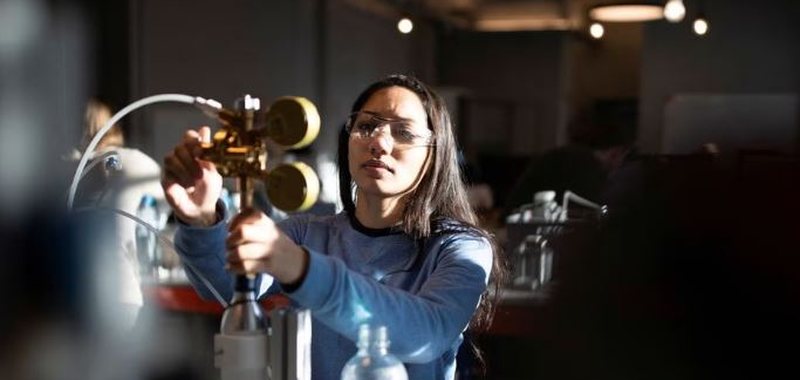
The dual system, which combines theoretical teaching with direct field practice, is increasingly being considered the "key" to rapid employment of young......

Social protection, towards reformatting - Increasing support for the disabled and reducing beneficiaries of economic assistance
The number of beneficiaries of economic assistance is expected to decrease by about 1,000 families during the years 2026-2027. By 2028, the number of......
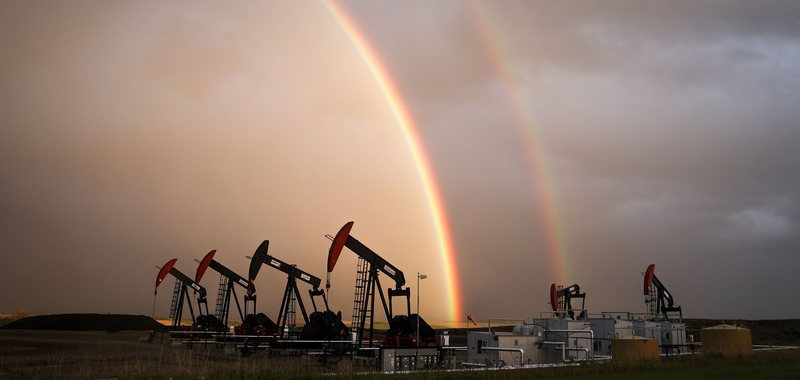
How are countries coping with the increase in fuel prices? - Reduction of excise duty and VAT to somewhat mitigate the increase in prices
The unstoppable increase in fuel prices as a result of the conflict in the Middle East is having its effects in all countries of the world. Governments have......

Bank cards, the "new wallet" of Albanians - BoA: The market is dominated by debit cards, while lending remains limited
Albanians are carrying less and less cash in their pockets - and more and more on their cards. The latest data from the Bank of Albania shows a clear shift......