ECB warns Italy - "Budget measures could harm banks and lending"


Measures set out in Italy's 2026 budget could have "negative consequences" for banks' liquidity, the European Central Bank (ECB) said. According to the institution, these measures could prompt banks to lower deposit interest rates to pay less tax, which would weaken their liquidity reserves.
The ECB also added that higher taxes could prompt domestic banks to further reduce already modest lending to households and businesses, as well as negatively impact investor confidence in Italy.
Budget measures affecting banks and insurers, including restrictions on how lenders use interest expenses to reduce their tax bill, are estimated to reach over 11 billion euros by 2028, according to Italian Treasury estimates.
“The repeated imposition of tax provisions unfairly increases policy uncertainty regarding the fiscal framework, undermining investor confidence and potentially also affecting the funding costs of credit institutions,” the ECB said.
Italy is unlikely to radically revise its budget plans following the ECB's criticism, given that the contribution from the banking sector finances more than 20% of the tax cuts and spending increases that serve households and businesses in the period 2026–2028.
Both houses of the Italian parliament are expected to approve the budget before the end of the year. Italian banks have faced widespread criticism from Prime Minister Giorgia Meloni's right-wing coalition for failing to reward depositors or offer better lending conditions to businesses, despite record profits boosted by high interest rates and state guarantee schemes in the wake of the COVID-19 pandemic.
However, the ECB warned Italy that increasing the tax burden on banks could lead to “immediate adjustments” in lending to the real economy, especially given the already moderate levels of bank lending in Italy.

Spain "cracks down" on short-term rentals - 65 million euros fine for Airbnb, after measures against Booking
Spain has decided to pursue a tough policy on short-term rentals. The country fined Airbnb 65 million euros for continuing to advertise properties for......
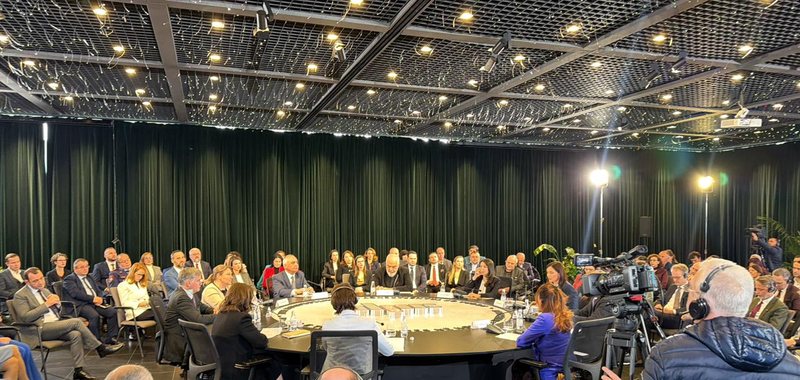
VII National Conference on the Right to Information - Transparency, a condition for good governance and European integration
At the conclusion of Integrity Week 2025, the 7th National Conference on the Right to Information was held today, on the topic "Agora of Transparency in the......
Over 89 thousand new cars registered in 11 months - DPSHTRR: More modern and safer fleet
The country's vehicle market is experiencing significant growth. During the period January-November 2025, 89,654 vehicles were registered for the first time,......

Mortgage crisis - What are Europeans giving up to meet the costs?
Soaring housing costs are fast becoming Europe's "Grinch," dampening people's desire to make Christmas plans. Some 75% of Europeans say they have had to cut......
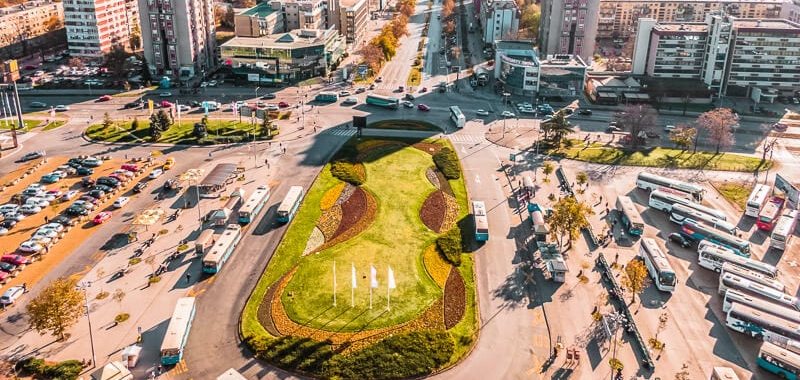
Serbia, gas interconnection with North Macedonia - Belgrade will invest around 153 million euros in the project
Serbia will invest around 153 million euros in the construction of a 1.5 billion cubic meter natural gas interconnection with North Macedonia. The project is......
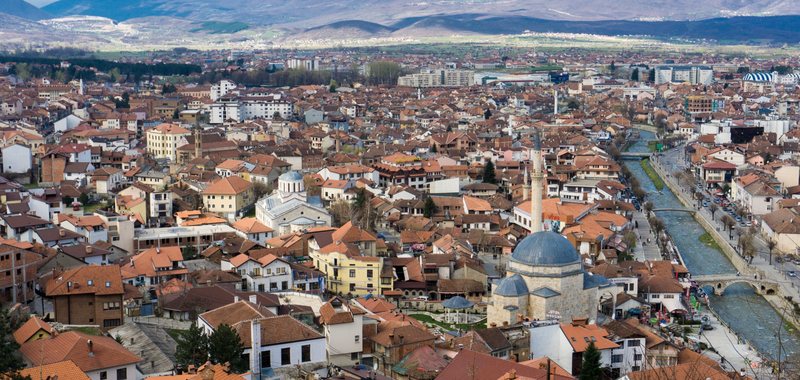
The effect of inflation in Kosovo - 100 euros from 2019 are worth only 78 euros today
Inflation is eroding purchasing power in Kosovo: 100 euros in 2019 are worth only 78 euros today. This is how economists describe the country's economic......

How much does an Albanian immigrant earn abroad? Greece the biggest disappointment. Albanians only get half of what they expect
While the potential for high earnings is a key driver of migration decisions, migrants consistently overestimate their potential earnings abroad, regardless......

Pensions, how sustainable is the scheme? - World Bank's PROST analysis draws long-term conclusions
The government is conducting an in-depth and long-term analysis of public finances with a particular focus on the pension system, as part of efforts to......