War increases the strategic importance of the South Caucasus - Oil and gas could pass through the "Middle Corridor"

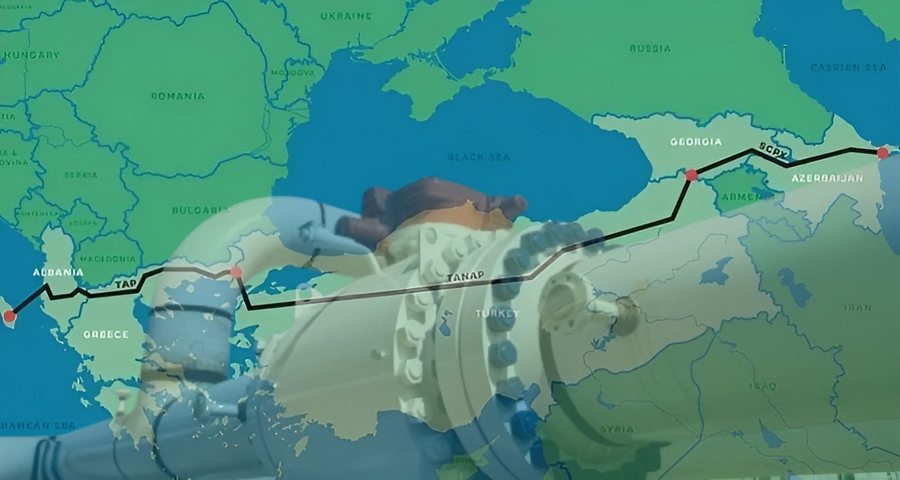
In recent years, the South Caucasus region has attracted attention as a key link in the Trans-Caspian International Transport Route. Also known as the Middle Corridor, it serves to connect Europe and China, bypassing Iran and Russia via Central Asia and the South Caucasus.
Now, the war with Iran has put the importance of the Middle Corridor in the spotlight. By closing the Strait of Hormuz, a route that processes approximately 20% of global shipments of oil and liquefied natural gas (LNG), Iran has disrupted global energy flows.
The Middle Corridor, the shortest geographical route between Europe and China, aims to move Chinese goods along with critical minerals and energy products from Central Asia to Europe. Both the EU and China have pledged billions of dollars to improve ports, railways and roads along the route.
Cargo volumes along the corridor have quadrupled since 2022, the year Russia launched its full-scale invasion of Ukraine. Although it still carries only a small portion of Europe-Asia trade, the World Bank estimates that trade volumes could total 11 million tons by 2030.
Even beyond the current conflict, the Middle Corridor could gain more momentum in the coming years. For Georgia, Azerbaijan, and Armenia, this shift would enhance their role as important transit states. For energy-rich Azerbaijan, war with Iran could also bring short-term benefits. Higher oil prices would mean a windfall from exports for the country, which analysts have estimated could bring in an additional $500 million to $600 million a month for the country.
Europe currently receives about 4% of its natural gas from Azerbaijan, equivalent to 12.8 billion cubic meters of gas. This amount is planned to increase to 20 billion cubic meters by 2027.
Georgia, Azerbaijan, and Armenia have all maintained a neutral stance in the conflict. But Iranian officials have long criticized Azerbaijan for its strong economic ties with Israel. In 2025, Israel received 46.4% of its oil from Azerbaijan via the Baku-Tbilisi-Ceyhan (BTC) pipeline. In return, Azerbaijan receives most of its military equipment from Israel.

Trump's tariffs have little impact on the economy - Academic study: Increased revenue in the US federal budget
President Donald Trump's barrage of trade tariffs last year had only a minimal impact on U.S. economic output, but it raised significant federal revenue and......
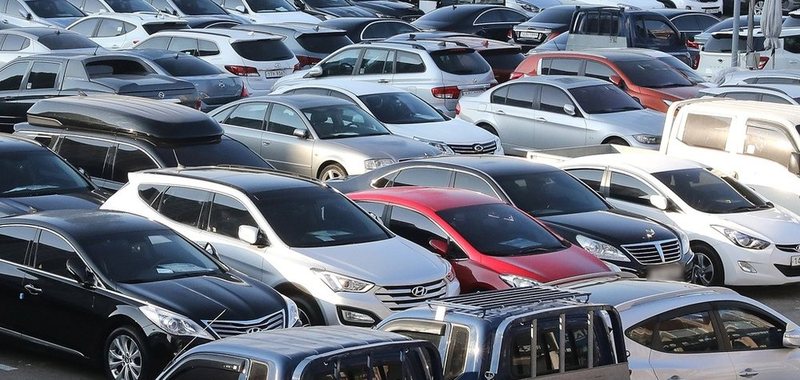
Used car sales rise in Europe - War in the Middle East is making fuel more expensive
Gasoline price hikes caused by the war in Iran are boosting sales of used electric vehicles across Europe, online platforms said. The war, which broke out......

Europe "loses control" of gas - Cargoes "chasing" higher prices in Asia
Europe is being excluded from the global liquefied natural gas (LNG) market as Asian buyers outbid for limited cargoes, with data showing some tankers......
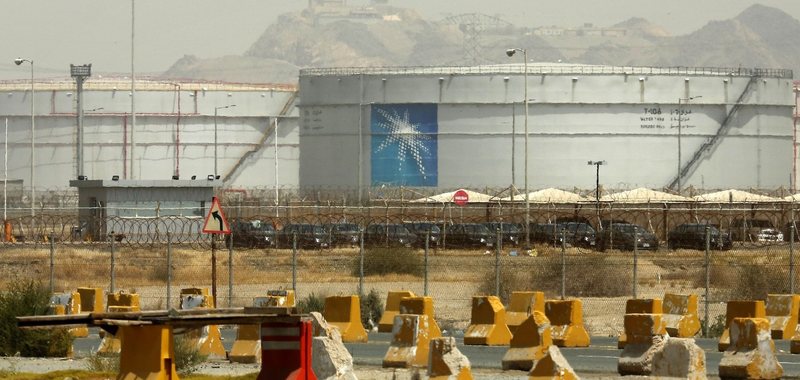
Global markets lose 13-14 million barrels of oil per day - Barclays study: Cause, prolonged disruption of the Strait of Hormuz
Barclays said a prolonged closure of the Strait of Hormuz could lead to a global supply loss of 13-14 million barrels of oil per day, noting that while the......
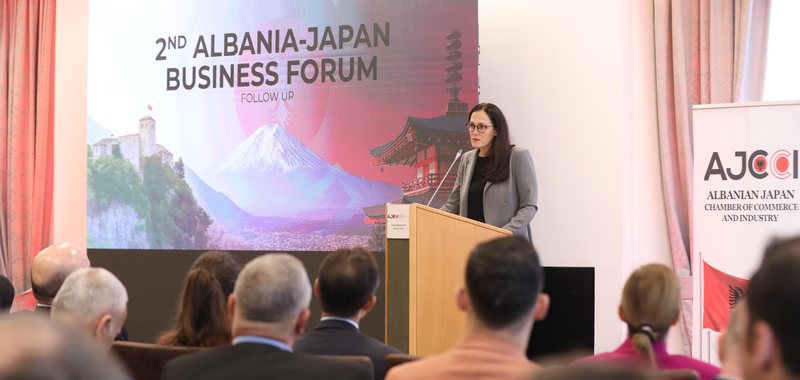
2nd Albania-Japan Business Forum/ Ibrahimaj: Economic cooperation and bilateral investments in focus
The Minister of Economy and Innovation, Delina Ibrahimaj, participated in the second Albania-Japan business forum, a key platform for deepening and expanding......

Vorë-Hani i Hotit train, 8.8 million euros for supervision - EBRD signs contract with French-Spanish consortium
With a value of approximately 8.8 million euros, the European Bank for Reconstruction and Development has signed the contract for the supervision of the......

Inspection reform, portal for citizens' complaints - Sula: All structures should be prepared for the tourist season
This Wednesday, the General Inspectorate, in coordination with the regional inspectorates of the State Labor Inspectorate, held a meeting within the......

Public administration reforms - Focus on efficiency, training and EU standards
Public administration is entering a more concrete phase of transformation, as part of the country's preparation for membership in the European Union. At the......