EU-India Free Trade Agreement - Analysis/ Possible tariff reduction for wine and olive oil

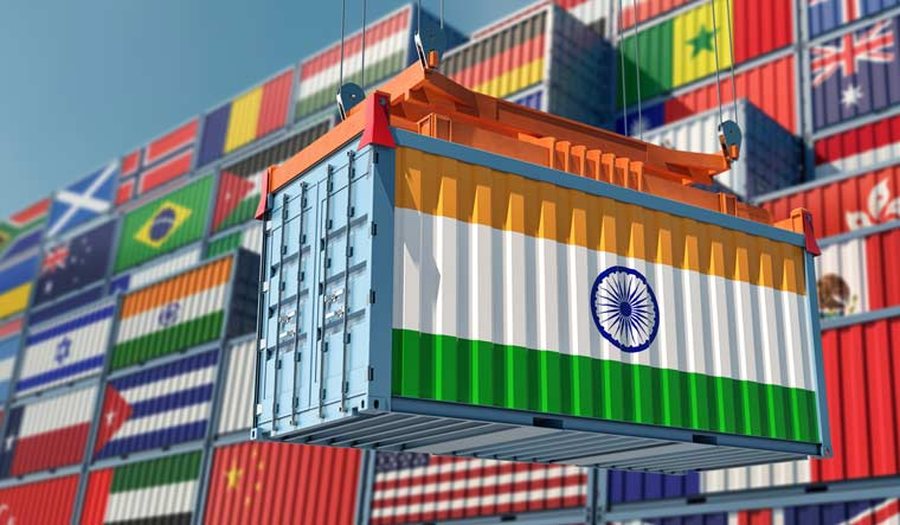
After nearly two decades of intermittent negotiations, the European Union and India are set to announce the political conclusion of a free trade agreement. The deal will be "very beneficial for European agricultural exporters", with tariffs cut on products such as wine and olive oil and maintaining the status quo in sectors most sensitive to New Delhi, including beef, poultry and sugar. The announcement is expected at the EU-India summit scheduled for January 25-28 in New Delhi.
Talks on a free trade agreement between Brussels and New Delhi first began in 2007, stalling in 2013 and officially resuming in July 2022. Since then, negotiators have been working on a broad package covering trade in goods and services, investment and regulatory cooperation. In the weeks leading up to the summit, several European and Indian sources indicated that most of the negotiating chapters had been closed or had been brought to a sufficient level to allow for a political declaration finalizing the agreement. However, it remains clear that the announcement does not equate to the immediate entry into force of the agreement, which will face a complex ratification process, particularly from the European side.
Wine and olive oil at the "heart" of the agreement
Of particular concern to the European agri-food sector is the planned reduction of Indian tariffs on wine and olive oil. India currently applies very high customs duties on many imported food products, which, in the case of wine, reach levels that severely limit its competitiveness on the domestic market. Therefore, for European producers, starting with those in Italy, France and Spain, the prospect of a "significant" reduction in tariffs is a turning point: they see the Indian market as a potential for medium to long-term growth, especially in the medium to high quality segments.
For olive oil, which is still a niche product in Indian consumption but is gradually expanding, a reduction in tariff barriers could encourage greater diffusion, although the final price will continue to be influenced by domestic taxes and the local distribution structure. In both cases, Brussels stresses that the real benefit will depend not only on the tariff rates agreed, but also on the reduction of non-tariff barriers and the simplification of customs procedures.
Indian Red Lines
Despite the openings for European agri-food, the agreement maintains some restrictions in certain sectors considered politically and socially sensitive in India. According to diplomatic sources, beef, poultry and sugar will remain excluded from the significant liberalization, confirming a cautious stance that was already evident in the previous stages of the negotiations. The sugar issue has raised the most concerns, even in some European Union member states, so much so that the European Commission is reportedly evaluating safeguard clauses and mechanisms to avoid destabilizing effects on internal markets.
Beyond agriculture
The agriculture sector is only part of the deal. The agreement includes commitments on goods, services and industrial investment, with India ready to grant tariff reductions in key industrial sectors, starting with European automobiles. The negotiations also address complex regulatory issues, such as technical standards for customs procedures and issues related to digital trade and investment protection. Moreover, New Delhi has repeatedly raised concerns about the European Carbon Border Adjustment Mechanism (CBAM), which is perceived as a potential obstacle to Indian exports to the EU27.
Value of the agreement
For Brussels, strengthening ties with India means diversifying its trading partners and consolidating its relations with one of the world's fastest-growing economies. For New Delhi, the agreement is a way to attract investment, gain access to European technologies and strengthen its international positioning, without sacrificing the protection of strategic domestic sectors.
Ratification and implementation times
Even after the expected political announcement in New Delhi, the road to agreement will remain long. In Europe, the text will have to be examined and approved by the European Parliament and, if classified as a "mixed" agreement, also by the national parliaments of the member states. EU sources indicate that the entire process could take at least a year. Only after this phase will the tariff cuts and other provisions be translated into concrete effects for businesses and consumers. Therefore, the game is not over yet.
"MEI, engaged in closing key chapters"/ Balluku: Team mobilized to advance negotiations with the EU
The Ministry of Infrastructure and Energy continues to work intensively to conclude EU integration negotiations for four of the most important chapters, with......

Albanian tourism promoted at the FITUR fair, Madrid/ Minister Gonxhja: Growing interest in the destination 'Albania'
Albania's stand at the International Tourism Fair FITUR 2026, in Madrid, Spain, has attracted high interest from visitors and tour operators from different......
“Apply for Authorized Economic Operator status”/ Malaj and Gazheli: Customs facilitation and increased efficiency
The Minister of Finance, Petrit Malaj, together with the Director General of Customs, Genti Gazheli, conducted a working visit to two Albanian companies,......

Have you completed DIVA 2025? Deadline until March 31/ Who must declare and new benefits for parents
Citizens continue to submit the Annual Individual Income Tax Declaration, known as DIVA 2025, through the online e-Filing platform, while the deadline for......
Albania, increasingly attractive to Europeans and Asians/ From the Balkans to Europe, how the map of entry into the country is changing
Foreign national arrivals in Albania have seen strong and continuous growth over the past decade. From 4.1 million arrivals in 2015, the number increased to......
VAT refund, an effective process, but limited trust/ KI survey: 9 out of 10 companies receive the benefit
VAT refunds continue to be a process, with businesses showing a moderate level of confidence. According to the Investment Council survey data, about 1 in 2......

Protected areas, a destination for tourism and adventure/ 5.9 million visitors in 2025, an increase of 6%
Albania is increasingly attracting nature and adventure lovers, becoming a tourist destination with extraordinary potential. According to the Ministry of......
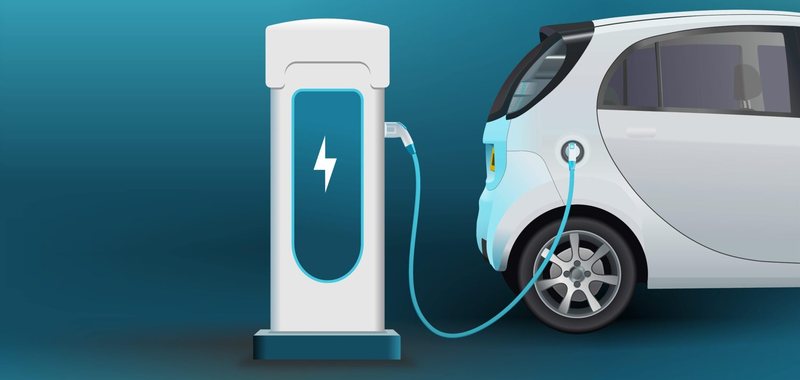
Electric cars change Albanians' choices/ Around 6,187 "green" vehicles change the country's roads
The electric vehicle fleet in Albania marked a record growth with 6,187 “All-Electric” registrations, almost double the number in 2024. This trend shows a......