Sa “rëndon” garderoba në buxhetin familjar? Shqiptarët shpenzojnë 445 milionë euro në vit për veshje

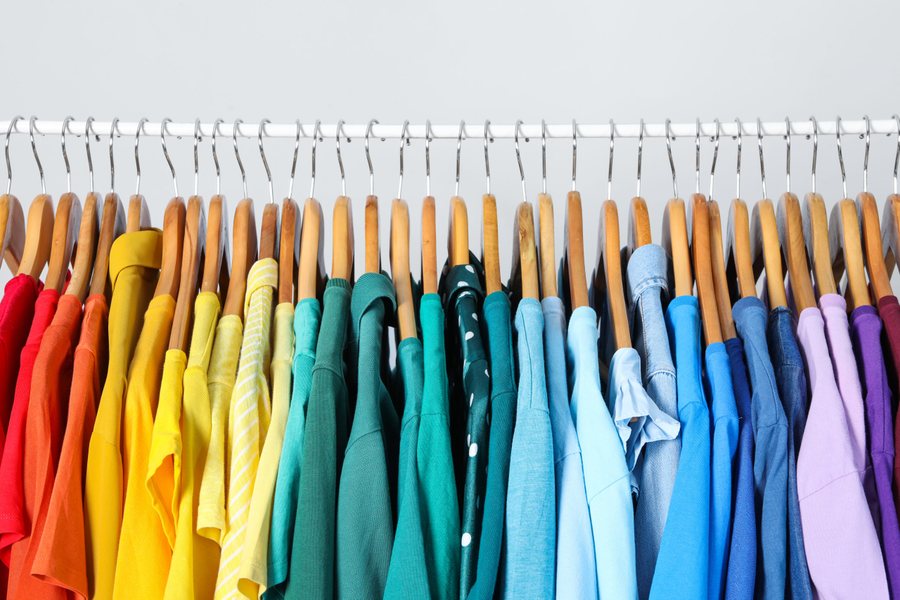
Veshjet nuk janë më vetëm një domosdoshmëri sezonale. Ato janë kthyer në një kategori konsumi që reflekton stil jetese, ndikim trendesh dhe fuqinë blerëse të familjeve. Të dhënat e Anketës së Buxhetit të Familjes tregojnë se shpenzimet për “Veshje dhe këpucë” kanë kaluar një cikël rënieje dhe rikuperimi gjatë dekadës së fundit.
Nga viti 2014 deri në vitin 2018, pesha e këtij grupi në buxhetin familjar ra nga 5.1% në 4.2%. Kjo periudhë përkon me një orientim më të kujdesshëm të konsumit, ku prioritet duket se morën kategoritë bazike. Megjithatë, pas vitit 2019 vihet re një kthesë. Pesha e shpenzimeve për veshje rikthehet mbi 5% dhe qëndron relativisht e qëndrueshme edhe në vitet pas pandemisë.
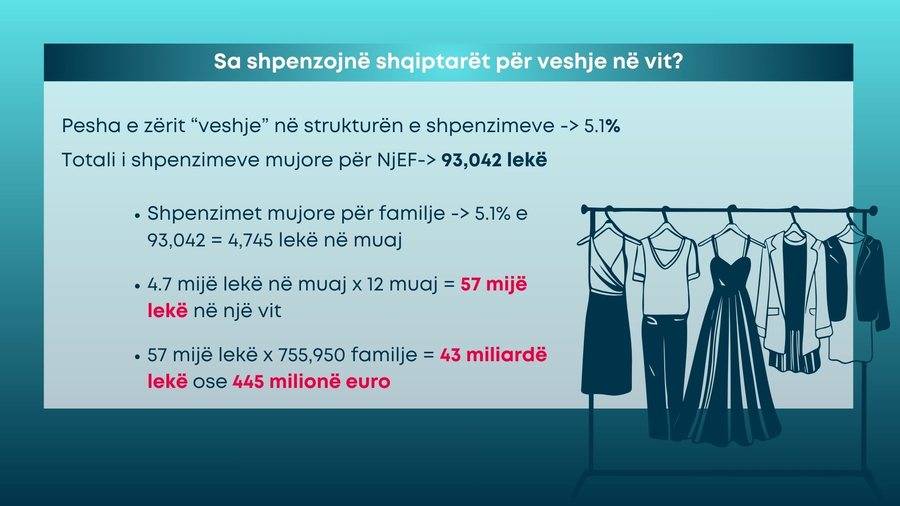
Sipas të dhënave për vitin e fundit, “Veshje dhe këpucë” zënë 5.1% të totalit të shpenzimeve mujore për konsum. Me një konsum mesatar mujor prej 93,042 lekësh për familje, rezulton se rreth 4,745 lekë në muaj shkojnë për këtë kategori.
Në terma vjetorë, kjo përkthehet në afro 57 mijë lekë për familje.
Duke marrë në konsideratë 755,950 familje në vend, rezulton se shqiptarët shpenzojnë rreth 3.6 miliardë lekë çdo muaj për veshje dhe këpucë. Në vit, kjo shumë arrin në afro 43 miliardë lekë.
Kjo e vendos këtë kategori ndër zërat më të rëndësishëm të konsumit jo-ushqimor, duke reflektuar jo vetëm nevojën bazike për veshje, por edhe ndikimin e modës, ofertës së zgjeruar në treg dhe cikleve sezonale të blerjeve.
Çfarë përfshihet në këtë kategori?
Sipas metodologjisë së INSTAT, në këtë zë përfshihen veshje për burra, gra, fëmijë dhe foshnja, qofshin të gatshme ose të bëra me porosi, në të gjitha materialet, për përdorim të përditshëm, sportiv apo pune.
Përfshihen pardesy, xhaketa, pantallona, kostume, fustane, bluza, të brendshme, çorape, rroba nate, kostume sportive, si dhe veshje për foshnja dhe fëmijë.
Megjithatë, shifra prej rreth 4,745 lekësh në muaj për familje është një mesatare statistikore. Në praktikë, struktura e shpenzimeve ndryshon ndjeshëm nga një familje tek tjetra.
Ka familje që e kufizojnë blerjen e veshjeve në nevoja bazike sezonale, duke e mbajtur këtë zë minimal në buxhet. Nga ana tjetër, ekziston një segment konsumatorësh i orientuar drejt markave të njohura dhe produkteve me çmime më të larta.

Cilat zona kryesojnë kërkesën e banesave me qira në Tiranë? Studimi i Investropa tregon se ku po zhvendosen të rinjtë dhe familjet
Sipas studimit të fundit nga Investropa, dalin në pah disa të dhëna interesante për sa i përket çmimit dhe kërkesës së tregut të qirave në kryeqytet, ku ka......

Fundoset rruga dytësore në Arrat e Gurrës, bllokohet plotësisht qarkullimi në Dragostunjë të Librazhdit!
Autoriteti i Mbrojtjes Kombetare Civile njofton se segmenti rrugor në zonën e Arrat e Gurrës, në fshatin Dragostunjë, i cili pritej të hapej për qarkullim......
Mbi 32 mijë mjete të kontrolluara në janar - DPSHTRR: Çregjistrohen 882 mjete të amortizuara
Drejtoria e Përgjithshme e Shërbimeve të Transportit Rrugor bën të ditur se gjatë muajit janar 2026 janë kontrolluar mbi 32.991 mjete në të gjithë territorin......

Stuhia dimërore godet verilindjen e SHBA - Mbyllen shkollat dhe bllokohen udhëtimet
Fëmijët në pjesë të verilindjes së SHBA-së do të qëndrojnë në shtëpi të hënën, pasi një stuhi e fuqishme dimërore detyroi mbylljen e shkollave dhe i shtyu......
OBP dhe AKPA bashkëpunojnë për “prokurimin social”: 63 të punësuar në 9 kompani fituese të tenderave
Marrëveshja mes Operatorit të Blerjeve të Përqendruara (OBP) dhe Agjencisë Kombëtare të Punësimit dhe Aftësive (AKPA) po shndërrohet në një model konkret të......
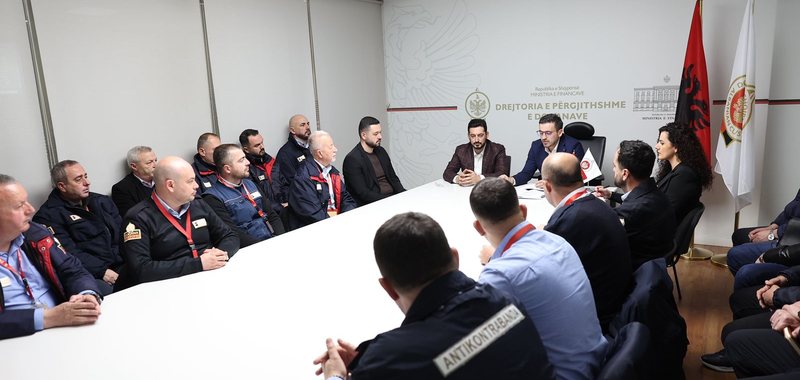
Drejtori i Përgjithshëm i Doganave, takim me strukturat e Antikontrabandës: Forcim luftës kundër paligjshmërisë
Drejtori i Përgjithshëm i Doganave, Besmir Beja, zhvilloi një takim me strukturat e Drejtorisë së Antikontrabandës, duke përcjellë një mesazh të qartë për......

Rënie në tregun valutor – Dobësohen ndjeshëm Dollari dhe monedha europiane!
Dollari amerikan ka pësuar një rënie të ndjeshme gjatë kësaj fundjave duke u dobësuar në raport me javën që lamë pas teksa është blerë sot me 81 lekë dhe......

Fatura e kripur e euros digjitale - BQE vlerëson se do t'u kushtojë bankave 4-6 miliardë euro gjatë 4 viteve
Futja e euros digjitale mund t'u kushtojë bankave evropiane midis katër miliardë dhe gjashtë miliardë euro të shpërndara gjatë katër viteve, ose është rreth......