The salty bill of the digital euro - ECB estimates it will cost banks 4-6 billion euros over 4 years

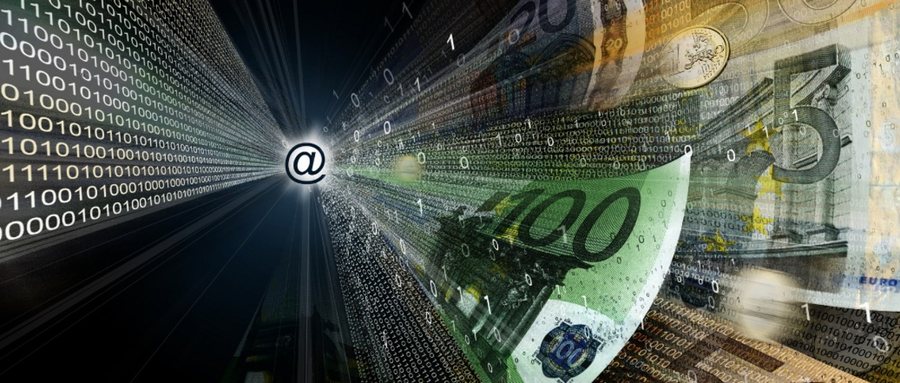
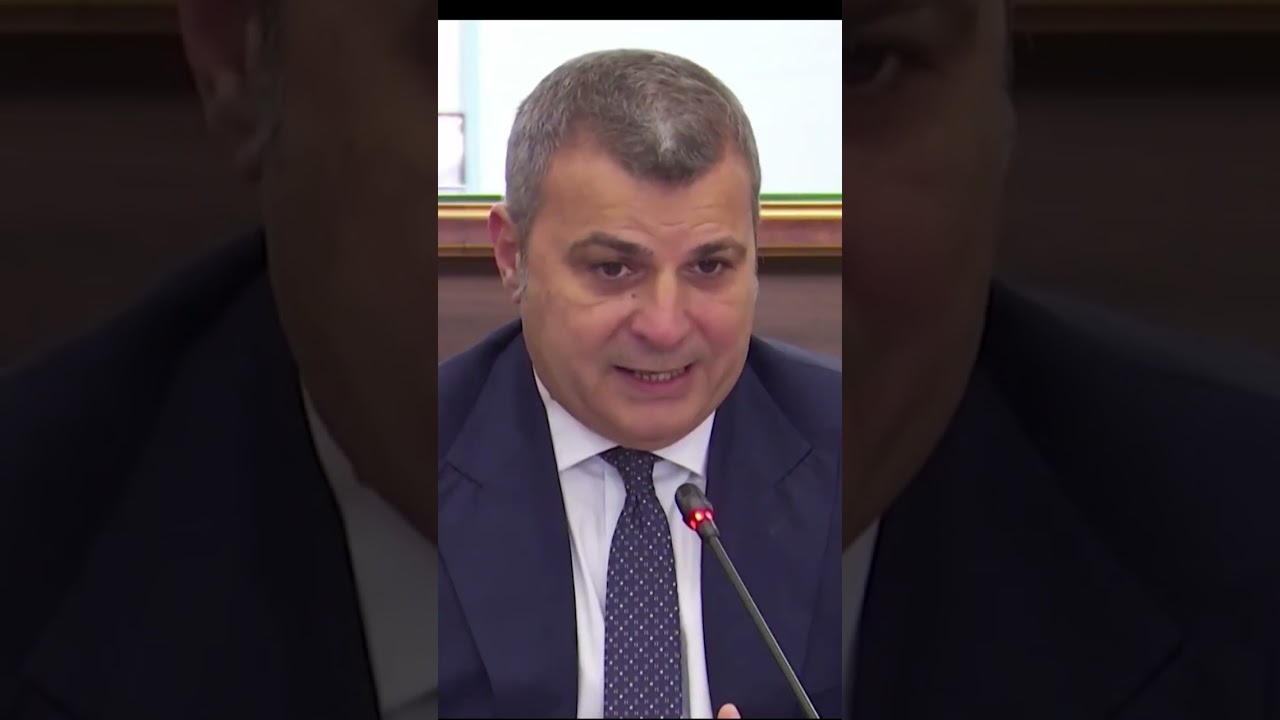
The introduction of the digital euro could cost European banks between four billion and six billion euros spread over four years, or about 3% of what these institutions spend each year on IT system maintenance. ECB Governing Council member Piero Cipollone also said that the creation of the new digital currency is estimated to cost the ECB about 1.3 billion euros. Operating costs for the ECB would be about 300 million euros per year, he added.
Working with private contractors, the ECB is building the infrastructure for the digital euro, which it will operate through accounts that eurozone residents will hold at the central bank.
"European Union citizens outside the currency bloc will also be able to pay with digital euros if their national central bank reaches an agreement with the ECB," Cipollone said.
The ECB is awaiting EU legislation to launch the digital euro, which it sees as a way to keep public money relevant in a digital economy, unify Europe's fragmented payments landscape and limit the role of providers outside the EU to protect the bloc's monetary sovereignty and economic security.
Banks will be able to offset the costs through fees they charge merchants for the digital euro services they will offer. It will be the banks that provide users with the necessary smartphone application to pay with digital euros.
The ECB is working to select lenders interested in participating in the digital euro pilot phase ahead of its official launch in 2029.
Merchants, on the other hand, will save money because there will be a cap on the fees charged for digital payments in euros, and this cap will be lower than what international firms like Mastercard or Visa currently apply.
"Trump to fulfill trade promises" - EU demand after Court blocks tariffs
The European Commission called on Washington to deliver on its commitments and provide “full clarity” after a US Supreme Court ruling that struck down some of......
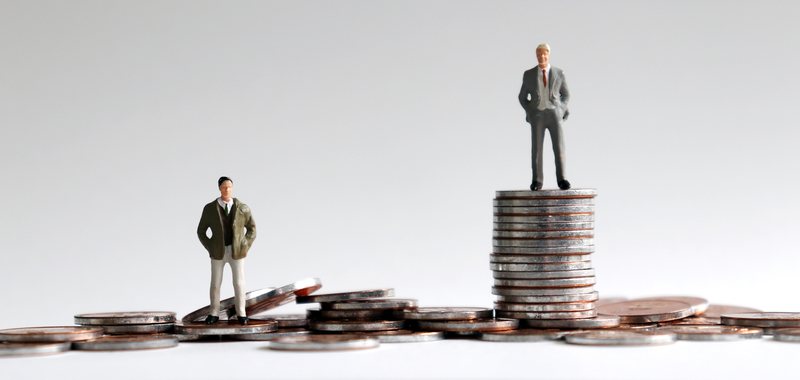
Wealth distribution in Europe - Where are adults richest and poorest?
Wealth inequality across Europe is stark. People in some countries are much wealthier than others. Adult wealth shows a stark divide between the richest and......
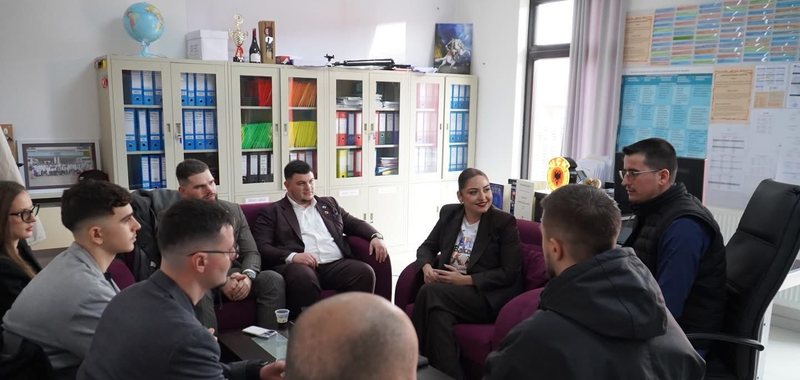
“EUth Balkans” unites MPs from Albania and Kosovo for the inclusion of young people in European integration
Socialist Party MP Sara Mila has paid a working visit to Pristina, where she was received by opposition MP Besnik Tahiri, representative of the Alliance for......
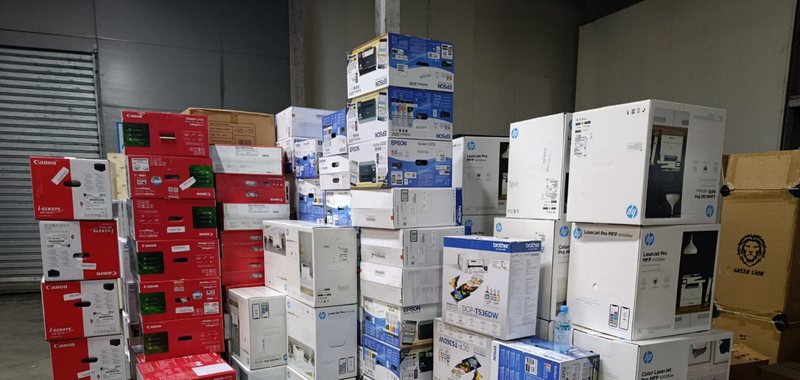
Anti-smuggling seizes over 3,100 electronic devices
The Anti-Smuggling Directorate announces that in cooperation with the Tirana Customs Branch and the Trademarks and Patents Directorate, they have blocked......
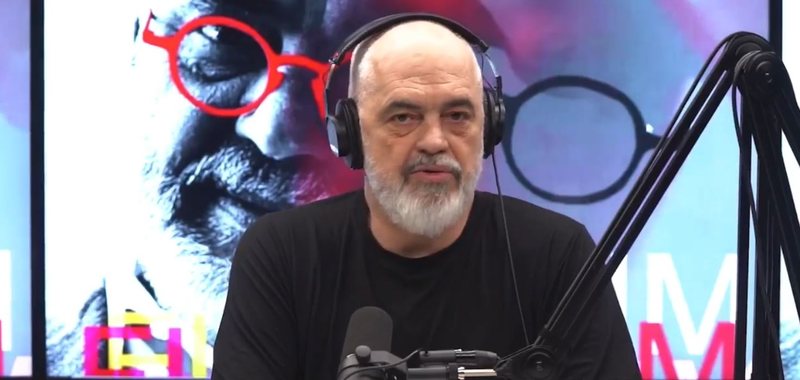
Albania's participation in the Peace Board, a historic moment. Rama also welcomes the EU draft resolution
In the weekly podcast "Flasim", Prime Minister Edi Rama focused on the meeting of the Peace Board in Washington, D.C., earlier this week. Rama said that......

OST: Continuous monitoring of the situation on the Librazhd-Korça axis, no risk to transmission lines
Regarding the situation created on the Librazhd-Korça road axis and reports on the condition of electricity transmission lines, the OST has issued an......
Temporary traffic ban in Arrat e Gurrës – ARRSH: Alternative route determined
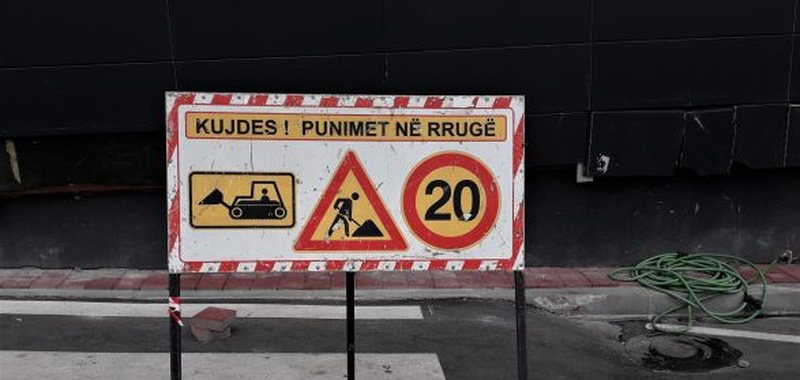
On the Librazhd-Pogradec axis, the place called Arrat e Gurrës, after an on-site assessment, the Albanian Road Authority, in coordination with the State......
Serbia, FDI to be halved in 2025 - Global geopolitical tensions and domestic protests affected
Foreign Direct Investments in Serbia have halved in the past year, to around 2.2 billion euros, the central bank announced. According to the data, this poor......