Rama në Estoni: Përballemi me rrezikun që barra e sigurisë të shtrembërojë përparësitë ekonomike

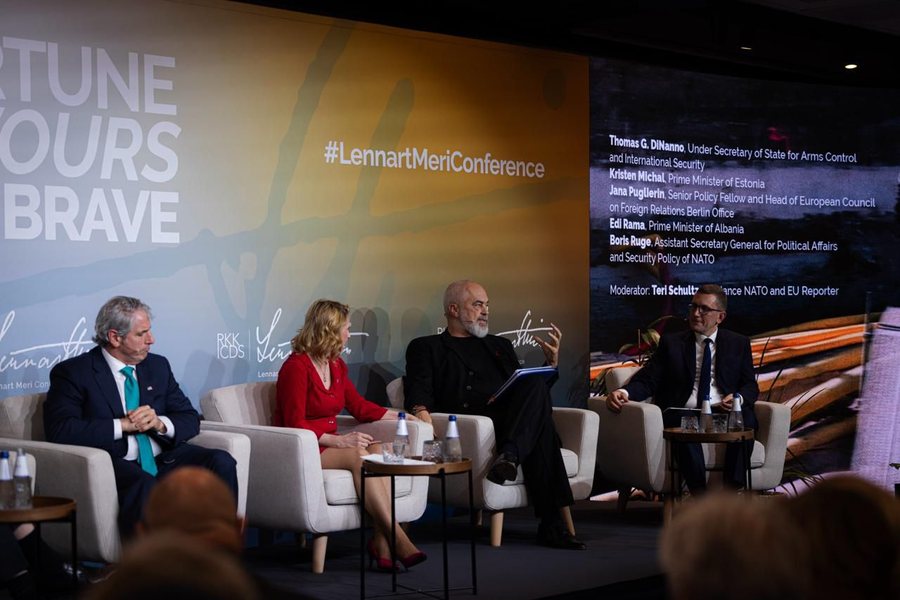
Gjatë vizitës së tij në Estoni, Kryeministri Rama mori pjesë në diskutimet mbi zhvillimet strategjike dhe rolin e Europës përballë sfidave të reja ndërkombëtare në panelin hapës të konferencës Lennart Meri, një prej forumeve më të rëndësishme ndërkombëtare kushtuar sigurisë, diplomacisë dhe të ardhmes së Europës.
Liderë politikë, ekspertë të marrëdhënieve ndërkombëtare dhe përfaqësues të institucioneve globale diskutuan sfidat aktuale gjeopolitike dhe perspektivën e bashkëpunimit euro-atlantik në një periudhë tensionesh dhe ndryshimesh të mëdha në arenën ndërkombëtare.
Në vijim pjesë nga biseda që kryeministri Rama pati në panelin hapës të konferencës:
Teri Schultz: Si e Shihni NATO-n 3.0 në Shqipëri, edhe një herë, një vend tradicionalisht fort pro marrëdhënieve transatlantike e NATO-s, si ndjehen shqiptarët në raport me NATO-n? A po ndjejnë se gjithçka është në rregull?
Kryeministri Edi Rama: Shqiptarët janë talebanë perëndimor. Çfarë do të thotë kjo? Ne jemi me aleancën transatlantike deri në fund, çfarëdo të jetë, e meqë ra fjala këtu dua ta nis, sepse dje pata nderin të merrja pjesë në një ceremoni shumë të bukur në Gjermani, ku u nderua Mario Draghi me çmimin Charlemagne. Ai mbajti një fjalë që më bëri të mendoja që kishin kaluar dy vjet që nga raporti i tij për Evropën dhe ndërkohë fjala pak a shumë thellohej në të njëjtën gjë. Ajo çfarë ka ndodhur kur bëhet fjalë për të vepruar nuk është shumë dhe kjo është baza e shqetësimit kryesor në qoftë se flasim për shqetësime. Nuk dua të provokoj askënd këtu, por jam shumë i tunduar të heq jo një paralele, por të bëj pikënisje ish-Bashkimin Sovjetik, kur vjen fjala se si gjërat kuptohen apo perceptohen në një mënyrë apo në një tjetër, por ndërkohë nuk trajtohen.
Kjo është tunduese jo sepse Europa mund të bëhet Bashkimi Sovjetik, por është tunduese sepse ka një pyetje themelore që kërkon përgjigje. A mundet Europa në kushte të caktuara të lejojë imperativat e mbrojtjes, ankthin gjeopolitik dhe përgjigjet e fragmentarizuara për të krijuar një mungesë afatgjatë ekuilibri midis ambicieve të sigurisë dhe atë që unë e quaj qëndresa e civilizimit, çka me fjalë të tjera do të thotë se po përballemi me rrezikun që barra e sigurisë të shtrembërojë përparësitë ekonomike. Inferioriteti i perceptuar strategjik të shkaktojë një mbi reagim dhe ajo çfarë është pjesa më dramatike duke folur për NATO-n 3.0 apo çfarëdo ta quani është që fragmentarizimi burokratik dobëson reagimin, çka më tej na çon në një tjetër pikë që meriton së paku vëmendje e diskutim, e cila është se legjitimiteti politik minohet nga kërkimi për fuqi ushtarake apo jo? Të gjitha këto gjëra më shqetësojnë për atë se ku po shkon Europa. Pra, në vend që të fajësojmë, të rrekemi të rivlerësojmë pozicionin tonë, duke drejtuar gishtin drejt Shteteve të Bashkuara të Amerikës apo presidentit Trump, na duhet të bëjmë një vlerësim të mirëfilltë, të përpiqemi të kuptojmë se konteksti sigurisht që ka ndryshuar, por cila do të jetë përgjigjja reale? Nuk mendoj se përgjigja reale duhet të jetë vetëm që të hidhemi në mbishpenzime dhe të mos trajtojmë problemet strukturore që kemi, sepse jemi shumë vende, së bashku jemi një ekonomi e madhe, po kur vjen fjala pastaj tek e gjithë mënyra me të cilën duhet të veprojmë dhe të harmonizohemi, nuk jemi më ashtu siç dukemi kur shihemi si një shumë aritmetike e PBB-ve tona. Do ta mbyll, për habinë tuaj, me një pyetje që mendoj Europa duhet t'ia bëjë vetes. Sa mund të shpenzojë një civilizim për të siguruar vetveten pa dobësuar themelet që e bëjnë t'ia vlejë të sigurohet sepse ka kaq shumë detyra e sfida komplekse që na duhet t'i trajtojmë paralelisht. Ashtu siç tha Mario Draghi dje, “na duhet të reflektojmë mbi një fakt të thjeshtë që nuk kemi barriera me botën e krejt befas tronditemi që paska disa tarifa, por kemi shumë barriera brenda perimetrit tonë që nuk na bëjnë aq të fortë sa duam të dukemi kur vjen momenti për të reaguar në drejtimin që më pyetët.
Teri Schultz: A është perceptim i ndryshëm në Shqipëri? Për çfarë janë njerëzit, të shqetësuar në qoftë se nuk është kërcënimi rus që ndjejmë ne në veri?
Kryeministri Edi Rama: Jana tha se nuk është kryeministre dhe nuk është zyrtare e qeverisë dhe mund të jetë e drejtpërdrejtë
Teri Schultz: Nuk jam e sigurt që nuk po thoshte që ne nuk ishim të drejtpërdrejtë, po varet si e merr.
Kryeministri Edi Rama: Po sigurisht! Dua të them se kur Trumpi u zgjodh, tha se: “Zoti kishte një plan dhe donte ta sillte në Shtëpinë e Bardhë për të shpëtuar Shtetet e Bashkuara të Amerikës”, dhe në fakt asë kohë e thashë që ai tha vetëm gjysmën e së vërtetës, sepse plani i Zotit përmes shpëtimit të Trumpit ishte që të zgjonte Europën. Nuk e kuptoj vërtetë kur europianët harxhojnë kohë me; “çfarë tha Trumpi”, “çfarë tha Trumpi”, e po kështu, “çfarë tha Trumpi”. Unë besoj më shumë miqtë amerikanë kur thonë: - “Merreni presidentin Trump seriozisht, por jo fjalë për fjalë”. Pra pjesa serioze. është që presidenti Trump ka bërë që Europa ta shoh veten me të gjitha dobësitë e saj. Duke folur si kryeministër i Shqipërisë, një vend që po kërkon të hyjë në Bashkimin Evopian dhe tashmë një vetë mes liderëve tashmë kam dëgjuar kaq shumë herë; “ju duam në Europë”, “ju duam në Evropë”, “ju duam në Evropë”, po kurrë nuk ndodhte që të hidhej një hap. Na duhej Vladimir Putinin që ata të zgjoheshin e të thoshin, ah kjo gjëja gjeopolitike qenka e vërtetë, kërcënimi gjeopolitik qenka real, nuk qenka diçka thjesht teorike. Nga njëra anë Putini ndihmoi Europën që të zgjohej dhe të përshpejtonte procesin për ne në përgjithësi dhe nga ana tjetër Trumpi e ndihmoi Europën të kuptonte që duhet të mblidhte veten.
Ajo çfarë shoh si problem është shkëputja tërësore në diskutimin tonë midis asaj çfarë duhet të bëjmë në pikëpamjen ushtarake dhe çfarë duhet të bëjmë me të gjithë pjesën tjetër. Por këto janë të ndërlidhura. Unë kam shumë frikë se nëse këto shpenzime të mbrojtjes mbeten në këto përqindje abstrakte, duhet të rritemi në 3%, 4%, 5% dhe nuk lidhen një, me produktivitetin industrial dhe konkurrueshmërinë në Europë dhe dy, me integrimin e prokurimeve që është një tjetër problem i madh dhe më pas me novacionin në përgjithësi plus me legjitimitetin demokratik për Europën, jo vetëm për qeveritë e zgjedhura, atëherë ka shumë gjasë që Europa do të ketë më shumë armë, por do të jetë më e dobët.
Përmasa politike është kaq e rëndësishme sepse nga ana tjetër është dhe një alternativë që gjithë kjo angështi për sigurinë të ringjallë forcat e errëta që kanë qenë prej kohësh në Europë dhe këtu duhet të bëhemi shumë serioz sepse në qoftë se riarmatimi e të gjitha këto shpenzime do të ndodhin krahë recesionit ekonomik, pabarazisë, panikut për migracionin, besimin në rënie te partitë politike të qendrës, atëherë Europa do të haset me një të djathtë ekstreme shumë më të fortë, me etnonacionalizëm e pastaj neofashizmi mund të shfaqet me ngjyrat e veta të vërteta.
Dua të them që sfida e Europës nuk është thjesht si të armatoset, si të ketë më shumë ushtarë, si të ketë me shumë armatime, si të rritet gjithmonë e më shumë kur bëhet fjala për shpenzimet, por duhet të sigurohet që riarmatimi të mos bëhet një mjet për destabilizimin demokratik dhe kjo mund të jetë, kjo është gjë reale në qoftë se duam të mësojmë nga historia, sepse Europa ka një histori dhe historia na ka treguar shumë se çfarë duhet të përpiqemi të bëjmë e çfarë të shmangim.
Ne në një farë mënyre e kemi admiruar, gati adhuruar Europën dhe Bashkimin Europian si një fuqi e madhe për paqen dhe sigurinë. Dhe gjithmonë kemi menduar gabimisht që i gjithë gjaku, të gjitha konfliktet, forcat e errëta e fantazmat kanë mbetur tek e shkuara. Kur krejt befas përballemi me një dilemë të madhe strategjike.
Nuk mjafton të identifikojmë se ku i kemi problemet. Problemi më i madh është se si zgjidhen këto probleme kur bëhet fjalë për aspektin konkurrues, kur bëhet fjalë për sigurinë energjetike. Ne jetojmë në një kontinent siç e thashë më parë që është shumë i fortë kur bën shumatoren aritmetike të PBB-së, por që është tmerrësisht i dobët kur sheh se si tregu energjetik është kaq i fragmentarizuar e se si energjia kushton shumë më pak në një kënd e shumë më tepër tek në një tjetër.
Mendoj që mund të jetë kurth i madh nëqoftëse mbrojtja kthehet në vetë konsumuese dhe në mënyrë paradoksale mund ta shndërrojë këtë ndjenjë angështie, pasigurie, ndjenjën se gjendesh nën një lloj sulmi e ndjenjën që duhet patjetër të përballesh me një agresion në vitet që vijnë e për rrjedhojë duhet të zgjerojmë militarizimin. Pra mund të shndërrohet në një kurth për të radikalizuar politikën dhe për t'i bërë kufizimet strategjike gjithmonë e më të pamundura.
Më lini ta mbyll duke thënë që nga njëra anë kemi atë rrugëtimin me rrezik të lartë që është zgjerimi ushtarak i fragmentarizuar. Është i fragmentarizuar, le ta themi troç, borxh pa produktivitet, rënie shoqërore dhe sigurisht më pas oportunizmi nacionalist që është gjithmonë gati që të shfaqet. Nëqoftse duam të marrim rrugën me rrezik më të ulët të riarmatimit, sepse nuk duhet harruar që vetëm pak kohë më parë të gjithë ishin shumë entuziastë për çarmatimin. Tani kemi një entuziazëm për riarmatimin, pra modernizim të integruar të mbrojtjes, përtëritje industriale, teknologji, inovacion, qëndresë demokratike. Këto janë gjërat që në një farë mënyre mund të kundërpeshojnë, të ekuilibrojnë. Në të kundërt do të jeni në pozicionin kur do t'ju thonë pa më tregoni njëherë pyetjet që të miratohen përpara se sa të moderoni.
Teri Schultz: Jo kjo nuk do të ndodhë kurrë.
Kryeministri Edi Rama: Shpresoj jo.
Teri Schultz: Duam gjithashtu të marrim edhe pyetje. Ka shumë njerëz në këtë sallë të cilët janë drejtues politikash dhe ministra.
Kryeministri Edi Rama: Ah në qoftë se duhen marrë pyetjet atëherë moderojeni më mirë
Teri Schultz:Atëherë, herën tjetër do moderoni ju dhe unë do jem pjesë e panelit.
Kryeministri Edi Rama: Po pse më ankoheni mua? Moderojeni më mirë
Jana Puglieri: Siguria është baza për gjithçka dhe kjo nënkupton se na duhet të investojmë. Nuk ka të bëjë me militarizim, nuk ka të bëjë me një nxitim për të shpenzuar. Sepse po të shohim përqindjen në shpenzime dhe planet rajonale të NATO-s dhe çfarë duhet bërë për të frenuar, kjo ka në bazë kapacitetet. Nuk është një shifër thjesht nga hiçi. Thamë hajde se po shpenzojmë më shumë për mbrojtjen. Janë nevojat reale që duhen përmbushur. Pra kjo mbështetet në objektivat e kapaciteteve që ka vënë NATO-ja. Sigurisht që keni të drejtë. Nuk ka të bëjë me shpenzimin më shumë, por të shpenzosh më mirë, më kolektivisht të prokurosh e gjithashtu dhe numrin e armëve, e gjitha kjo, por nuk ka të bëjë me militarizimin e Europës kështu siç e shoh unë!
Kryeministri Edi Rama: Ndjesë për t'u siguruar që nuk po nxirrem jashtë kontekstit. Unë nuk thashë që nuk duhet të riarmatosemi dhe thjesht të bëjmë një festë aty me Rusinë në kufij. Thashë thjesht që sfida për Europën nuk është nëse riarmatoset ajo. Kjo nuk do mend. Çështja është nëse gjatë këtij riarmatimi do të ruaj gjallërinë ekonomike, do të ruajë legjitimitetin demokratik, do të ruajë kohezionin shoqëror dhe nëse do të bëhet çfarë duhet të jetë në një botë ku fuqitë globale konkurruese po shfaqen shumë fortë ndërkohë që Europa po mbetet pas.
Gjëja e fundit është çfarë dallon një vend apo një hapësirë të militarizuar. Unë kam jetuar në një hapësirë të tillë të militarizuar me Europën që duam. Në fakt nuk është çështja se sa të militarizuar, të armatosur janë. Por çfarë e ndan një civilizim jetëgjatë në një civilizim që konsumohet nga kostoja për të mbrojtur veten? I pari është, po themi pra njëri është civilizimi i Shteteve të Bashkuara, i Bashkimit Sovjetik dhe pastaj ky i Europës që unë shpresoj do të jetë ky. Pra, pyetini qytetarët jo vetëm për armatimin, pyetini për çmimin e energjisë, për startup-et në Gjermani, për këtë, atë dhe atë dhe do thonë po, po, po. Po duam këtë, duam atë, duam atë. Çështja është si t'i bëjmë të dyja.
***
- Pyetja ime është për të gjithë përfaqësuesit europianë. A është koha e duhur që të ndryshoni ligjet tuaja dhe të lejoni europianët të shkojnë të mbrojnë Ukrainën?
- Më pëlqeu vërtetë se si Edi Rama u përpoq ta çizolonte këtë diskutim. Foli për Mario Draghi e në fakt kornizën që kemi pasur në raport me Shtet e Bashkuara të Amerikës. Pra presidenti Trump ka parë në fakt aspektin ekonomik të pjesës së sigurisë, pra e sintetizoji. Ndaj e kuptoj se çfarë deshët të bënit me diskutimin e Mario Draghi. Pra, po të shkosh në Kinë dhe ata kanë një sintezë. Dua të ngre këtë pyetje. Si e shihni këtë diskutim në Europë? Mbetet ende një diskutim “niche boutique” apo i përqëndruar te Mario Draghi apo një diskutim më i gjerë?
Kryeministri Edi Rama: Në vend që të mbyllim kohën me pyetjet më duhet të përgjigjem. Unë mendoj që në fund të kësaj bisede, çfarë kemi marrë? Jemi këtu apo po përpiqemi të flasim se si Europa duhet të ndërtojë mbrojtjen dhe të jetë e vetëmjaftueshme, të paktën kjo është ajo çfarë gjithkush nga ana europiane tha. Por kur bëhet fjalë se çfarë ka në sfond, gjëja më e lehtë është të godasim SHBA-në apo Trumpin, ndërkohë që problemi ynë nuk është Trumpi, nuk janë Shtetet e Bashkuara të Amerikës. Nuk është çështja nëse vijnë a ikin. Është kështu siç është. Siç thotë edhe Trumpi. Problemi ynë është se si do të bëhet Europa një fuqi që do të përballojë këtë rritje të kapacitetit të saj ushtarak, ndërkohë që në të njëjtën kohë bëhet apo është ai vendi që të gjithë kemi adhuruar kur ishim përtej murit. Pra, të jetë vendi i konkurrueshmërisë, të bëhet vendi i një tregu të mirëfilltë të përbashkët, të bëhet një vend me një treg të pafragmentarizuar energjetik, një vend ku inteligjenca artificiale nuk është thjesht dhe vetëm e rregulluar, por edhe krijuar dhe ndjesë, por të bëhet vendi ku nuk duhet të harrojmë se ajo çfarë e ka bërë Europën atë që është, nuk është fakti që Europa hyn në luftë, por sepse Europa ka qenë fuqia më e jashtëzakonshme e butë në botë.
Është po kështu diçka tjetër. Europa duhet të flasë me Vladimir Vladimiroviçin. Jo thjesht të flasë për Trumpin. Dhe të flasësh me Vladimir Vladimirovin nuk është e lehtë, e di. Nuk do të thotë të mos mbështetësh Ukrainën. Do të thotë që ta mbështesësh Ukrainën deri në fund, por edhe të kuptosh që për të nderuar Europën dhe kulturën dhe historinë europiane na duhet ta luajmë ndryshe. Dhe kështu i përgjigjem edhe atij zotërisë tjetër. Po ISIS ka rekrutuar më shumë njerëz, por Europa nuk mund të kopjojë ISIS-in, sepse ne duhet të synojmë për diçka krejt ndryshe. Kjo është gjëja, që ne shmangim tërë kohën. Zotëria tha aty Spanja etj. Dëgjoni, Pedro Sanchez ka dhënë një argument shumë të mirë. Ai nuk ka nevojë për mua që t'i bëj avokatin. Por ai dha një argument shumë të mirë që nuk ka të bëjë me sa përqind, por ka të bëjë me kapacitetet. Ka të bëjë me mënyrën se si këto i ndërtojmë këto kapacitete që janë mbrojtje evropiane, jo thjesht mbrojtje estoneze apo angleze e kështu me radhë. Mbrojtje evropiane dhe jemi kaq larg kësaj saqë gjithë kohës përpiqemi që të marrim përgjigje se si Trumpi do të bëhet më pak i apasionuar të na hutojë apo të na bëjë konfuzë. Kjo nuk do të ndodhë.
Kryeministri i Estonisë, Kristen Michal: Dua të korrigjoj mikun tim Edi. Ai është mjaft i apasionuar. Unë jam dakord që problemi është Putin. Po është një problem, problem real dhe problem është edhe dobësia e Europës. Europa ka qenë projekt paqe, pa armë dhe tashmë po bëhet një projekt paqeje me armë dhe kërkon shumë ndryshime. Europa sidoqoftë nuk duhet të kërkojë nga Putini sigurinë europiane. Nuk është kjo mënyra e duhur.
Kryeministri Edi Rama: Po pse duartrokisni? Kjo është e qartë. Unë nuk e thashë këtë. Më fal, Izraeli dhe Hamasi hidhen në fyt të njëri-tjetrit deri në vdekje dhe ndërkohë flasin me njëri-tjetrin. Mos harroni unë vij nga një vend që qysh prej viteve 1960 asnjë nuk ka shkuar në Moskë dhe asnjë nuk vjen nga Moska. Kështu që jam absolutisht larg dikujt që kërkon të takohet me Vladimir Vladimiroviçin. Por dikush duhet të takohet. Atëherë në të kundërt çfarë bëjmë? Përgatisim çfarë? Rusia është aty. Nuk është se do të shkojnë në vend tjetër. Pra, ndërkohë që bëjmë gjithë ato sa u thanë me të drejtë, diplomacia është një domosdoshmëri, atëherë pse tetë udhëheqës shkojnë te Trumpi, ulen me të dhe i thonë çfarë të tha Vladimiri? Le të shkojnë drejtpërdrejtë.
“Lufta, pak efekt në ekonominë shqiptare” - Themeli: Inflacioni mund ta kalojë objektivin 3%, por rritja do të jetë afatshkurtër
Konflikti në Lindjen e Mesme ka një ndikim minimal dhe kalimtar për ekonominë shqiptare. Kështu ka deklaruar Drejtori i Politikës Monetare në Bankën e......
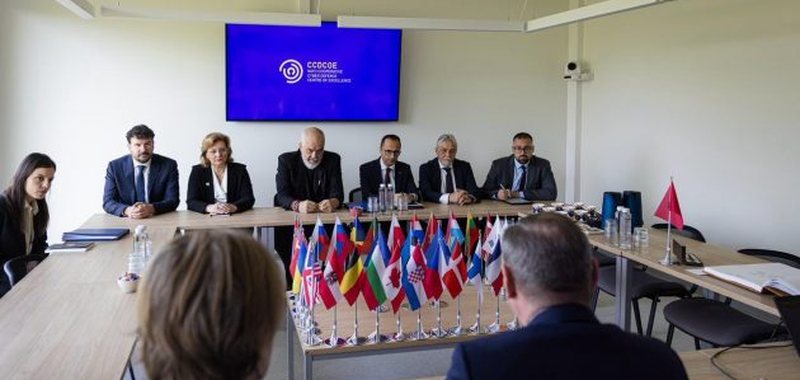
Rama viziton Qendrën e Ekselencës Kibernetike të NATO-s në Estoni: Nga sot pjesë edhe Shqipëria
Kryeministri Edi Rama, gjatë vizitës në Estoni, së bashku me delegacionin shqiptar vizituan Qendrën e Ekselencës për Mbrojtjen Kibernetike Bashkëpunuese të......
Studentët e huaj, a do qëndrojnë në Shqipëri? Dashi: Duhet strategji dhe lidhje e fortë universitet-biznes
Mbi 2 mijë të huaj kanë zgjedhur Shqipërinë si vendin e studimeve të tyre. Megjithëse kjo tendencë shihet gjithnjë e më në rritje, efekti që do të japë......
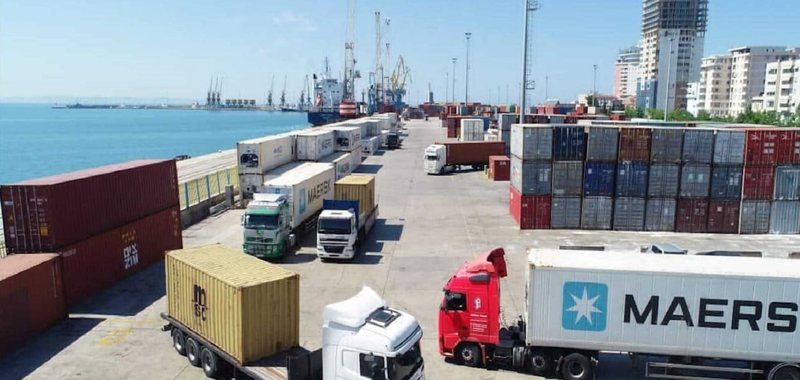
Falja e detyrimeve doganore e tatitmore - Hyn në fuqi udhëzimi. Bizneset përfitojnë fshirje gjobash dhe kamatëvonesash
Ka hyrë në fuqi udhëzimi për zbatimin e ligjit nr. 86/2025 “Për fshirjen, shuarjen dhe pagesën e detyrimeve tatimore ndaj administratës tatimore qendrore e......
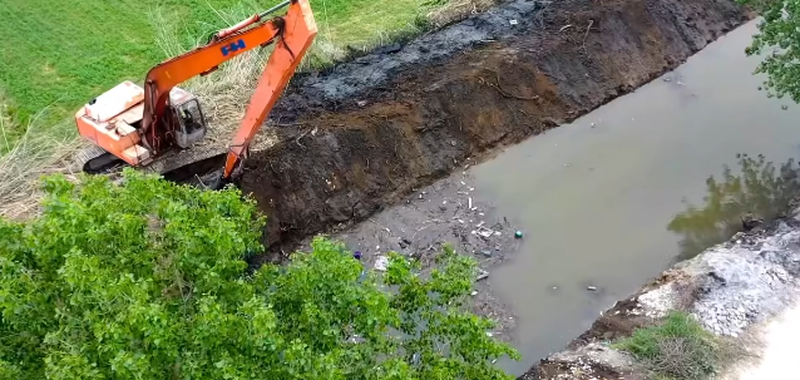
Investimet për rrjetin e ujërave të ndotur - Hapet tenderi 1 mld lekë për Dibrën, përfshihet dhe impiant trajtimi
Me një fond limit prej rreth 1 mld lekë, Shoqëria Rajonale Ujësjellës Kanalizime Dibër ka hapur tenderin për ndërtimin e rrjetit të kanalizimeve të ujërave......
400 vende pune nga kantieri i ri detar në Pashaliman - Vonesa në prodhimin e dronëve dhe mjeteve të blinduara, shkak zinxhiri i furnizimit
Rreth 400 vende të reja pune do të krijohen nga projekti mes kompanisë shtetërore “Kayo” dhe kompanisë italiane “Fincantieri”, për ngritjen e një kantieri të......

Ekonomistë, juristë dhe inxhinierë, më të kërkuarit - Në 2 javë, AKPA liston mbi 1,000 vende pune për të pakualifikuarit
Në dy javët e para të muajit maj, tregu i punës ka shfaqur kërkesë të lartë si për profesionistë të kualifikuar, ashtu edhe për punonjës sezonalë. Sipas të......
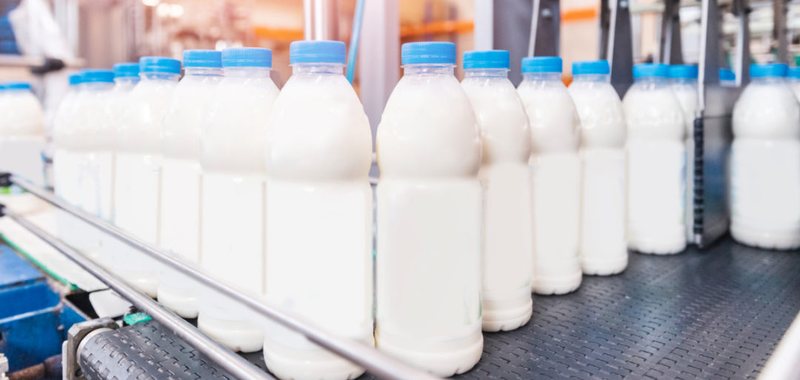
Qumështi, a do të hapë kategorizimi dyert e eksporteve? - Zv.Ministrja Kika: Subjekteve u janë lënë afate për plotësimin e standardeve
Rreth 900 operatorë të biznesit në industrinë e qumështit do të kalojnë filtrin e standardeve, me qëllim që të përmbushin kërkesat e integrimit në BE, por......