Paradokset e punësimit, Evropa kundër vetes - Nevoja për punëtorë bie ndesh me politikat e migracionit


Evropa përballet me një paradoks: ekonomitë kanë nevojë për punëtorë ndërsa qeveritë shtrëngojnë rregullat e migracionit. Ky tension rritet ndërsa Pakti i Migracionit dhe Azilit i BE-së hyn në fuqi më 12 qershor, duke shënuar politikën më të rreptë të migracionit të bllokut në dekada.
Kjo kontradiktë qëndron në zemër të një prej debateve më të ngarkuara politikisht të kontinentit dhe po bëhet gjithnjë e më e vështirë të injorohet.
Me papunësinë në nivele historike më të ulëta dhe normat e punësimit në nivele rekord, tregjet e punës së BE-së po funksionojnë bosh. Mungesat strukturore prekin sektorët e kujdesit shëndetësor, ndërtimit, bujqësisë, transportit dhe teknologjisë. Dhe shkaku nuk është mister: Evropa po plaket me shpejtësi. Në vitin 2022, afërsisht 22 përqind e popullsisë së BE-së ishte 65 vjeç ose më e vjetër. Popullsia në moshë pune po tkurret, veçanërisht në Gjermani, Itali dhe Evropën Qendrore dhe Lindore.
Më 1 qershor, bashkëligjvënësit e BE-së ranë dakord për "qendra të reja kthimi" jashtë kufijve të BE-së për të ndaluar migrantët pa të drejtë qëndrimi. Më 12 qershor, hyn në fuqi Pakti i plotë i Migracionit dhe Azilit. Është rishikimi më i gjerë i ligjit evropian të migracionit në dekada, i ndërtuar rreth shqyrtimeve më të ashpra, deportimeve më të shpejta dhe kontrolleve më të rrepta kufitare.
Që nga viti 2019, shtetasit jo-BE kanë plotësuar mbi gjysmën e rritjes neto të vendeve të punës në BE. Në Itali, emigrantët mbështesin rreth 600,000 pensione përmes kontributeve të sigurimeve shoqërore, duke paguar afërsisht 8 miliardë euro në vit në sistemin e mirëqenies sociale, ndërsa marrin rreth 3 miliardë euro në përfitime. Në Gjermani, çdo migrant i punësuar kontribuon për pensionistët aktualë me të njëjtën normë statutore si shtetasit vendas.
Komisioni Evropian, BQE-ja dhe institucione të shumta kërkimore bien dakord se imigracioni është një nga opsionet e pakta të qëndrueshme për të ruajtur rritjen ekonomike dhe për të mbështetur sistemet e mirëqenies.
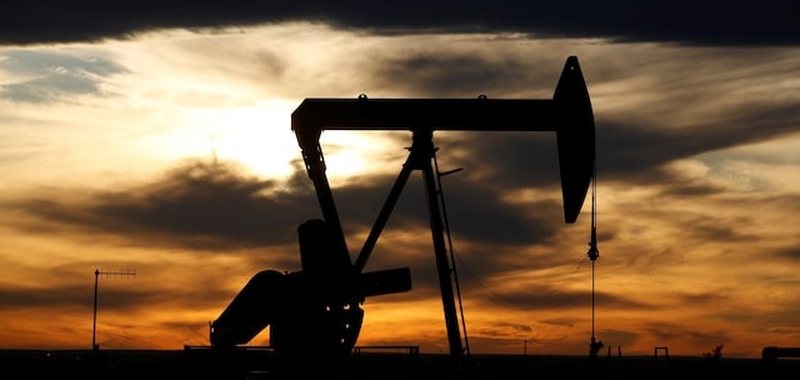
Nafta rritet me më shumë se 1 dollar për fuçi - Përshkallëzimi i luftës SHBA-Iran po shqetëson tregtarët
Çmimet e naftës u rritën të enjten ndërsa Teherani deklaroi mbylljen e pikës kritike të kalimit të energjisë, Ngushticës së Hormuzit. Reagimi erdhi menjëherë......

SHBA-të po investojnë miliarda në Ballkan - Brukseli i shqetësuar për një varësi të re të Evropës
“Shtetet e Bashkuara po e përdorin transformimin e furnizimit me energji të Evropës për të zgjeruar ndikimin e tyre gjeopolitik në Ballkan. Duke investuar në......
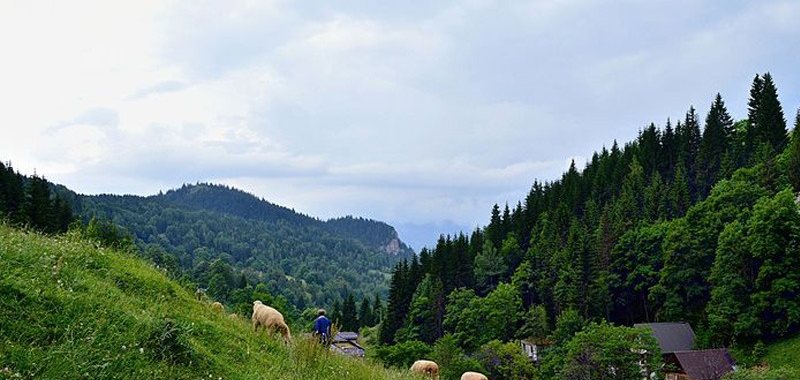
Franca shton 157,000 hektarë pyje të mbrojtura - Natyra po përballet me presion në shumë vende të tjera
Të martën, më 9 qershor, autoritetet në Francë njoftuan se kanë krijuar shtatë rezerva të reja biologjike dhe ka zgjeruar dy ekzistuese. Së bashku, ato......

Kupa e Botës, debati për çmimet e biletave - Presidenti i FIFA-s, Infantino: Le të fillojë festa!
Presidenti i FIFA-s, Gianni Infantino, mbrojti mënyrën se si organi qeverisës i futbollit botëror i kishte trajtuar çështjet e vizave përpara Kupës së Botës,......
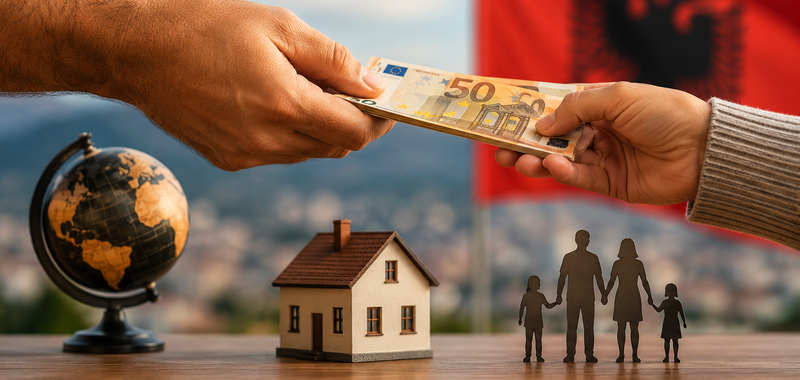
Remitancat arrijnë rekord të ri në fillimvit/ Paratë e dërguara nga emigrantët arritën në 274 milionë euro
Paratë që emigrantët shqiptarë dërgojnë për familjet e tyre në Shqipëri vijojnë të shënojnë rritje, duke mbetur një ndër burimet më të rëndësishme të hyrjes......
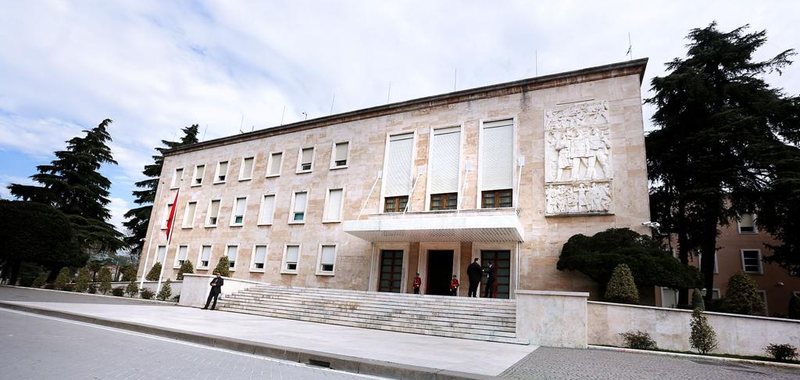
Nga siguria ushqimore tek kompensimet e pronarëve, publikohen vendimet që miratoi qeveria
Agjencia për Media dhe Informim ju njofton lidhur me Vendimet dhe projektligjet e miratuara në mbledhjen e sotme të qeverisë, datë 10 qershor 2026: Këshilli......

Projektligji, Qeveria miraton modelin e ri të organizimit dhe llogaridhënies në administratën shtetërore
Agjencia për Media dhe Informim ju bën me dije se Këshilli i Ministrave miratoi sot projektligjin “Për disa ndryshime në ligjin për organizimin dhe......
Rreth 1 miliard euro nga turistët në fillimvit/ Bilanci neto i turizmit u zgjerua në mbi 360 milionë euro në tre muajt e parë të 2026
Turizmi vijon të jetë një nga motorët më të fortë të ekonomisë shqiptare edhe në vitin 2026. Të dhënat e bilancit të pagesave tregojnë se gjatë tremujorit të......