Rritja e sigurimeve detare shton kostot - Primet për anijet nga mbulimi i rreziqeve të luftës janë shtrenjtuar mbi 1000%


Ndërsa konflikti në Gjirin Persik zgjerohet, primet e sigurimit detar për mbulimin e luftës po rriten - në disa raste me më shumë se 1000% - duke rritur në mënyrë dramatike koston e lëvizjes së energjisë përmes një korridori kritik detar.
Konflikti në Lindjen e Mesme ka paralizuar trafikun përmes Ngushticës së Hormuzit, një pikë e rëndësishme bllokimi të transportit detar. Sigurimi i rrezikut të luftës u lejon pronarëve të anijeve të kërkojnë dëmshpërblim për çdo dëmtim të anijes së tyre ose ngarkesës që rezulton nga konflikti ose terrorizmi. Policat janë zakonisht vjetore, megjithëse disa mbulojnë udhëtime të vetme përmes ujërave të rrezikshme, duke përfshirë zonat e luftës.
Rritja e primeve nënvizon se si lufta po rrit kostot për pronarët e anijeve, tregtarët dhe kompanitë e energjisë që lëvizin mallra përmes Ngushticës, duke shtuar frikën se konflikti - i cili nuk tregon shenja zbutjeje - mund të nxisë inflacionin nëse vazhdon, thanë analistët.
Normat e primeve të rrezikut të luftës së mallrave po rriten gjithashtu, me kuotat që rishikohen në bazë udhëtimi, veçanërisht për tregtinë e energjisë dhe mallrave me shumicë. Analistët vlerësuan se humbjet e industrisë nga të paktën shtatë anije të raportuara të dëmtuara, mund të arrinin deri në 1.75 miliardë dollarë.
Me shumicën e cisternave me vlerë midis 200 dhe 300 milionë dollarëve, norma e re e sigurimit prej 3% do të nënkuptonte një prim rreziku për anijen prej rreth 7.5 milionë dollarë, nga rreth 625,000 dollarë, para fillimit të konfliktit.
Më shumë se 20 milionë fuçi naftë bruto, kondensate dhe karburante kaluan mesatarisht çdo ditë përmes Ngushticës vitin e kaluar, treguan të dhënat nga firma analitike Vortexa. Rreth një e pesta e naftës totale që konsumon bota kalon nëpër Ngushticë.
Të paktën 200 anije kanë mbetur të ankoruara në ujërat pranë brigjeve të prodhuesve kryesorë të Gjirit.
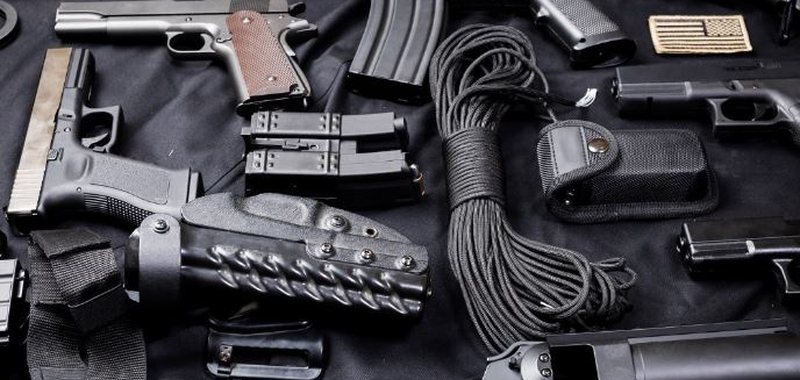
Evropa, importuesja më e madhe e armëve në botë - Zë 33% të tregut botëror gjatë periudhës 2021-2025
Evropa është bërë importuesja më e madhe e armëve në botë gjatë pesë viteve të fundit, ndërsa qeveritë reaguan ndaj kërcënimit të Rusisë dhe rënies së......
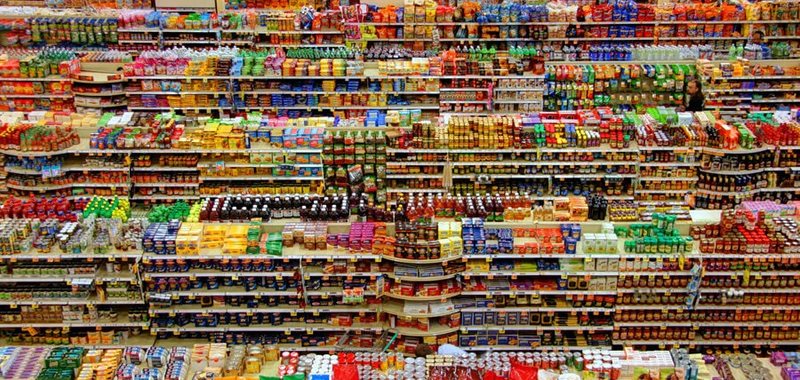
Sasi më e vogël, çmim i njëjtë? - Grekët gjejnë zgjidhjen për t’u dhënë fund mashtrimeve të tregtarëve
Epoka kur e njëjta etiketë fshihte më pak përmbajtje në një paketim mashtrues identik po i vjen fundi. Ministria greke e Zhvillimit, nëpërmjet një dispozite......
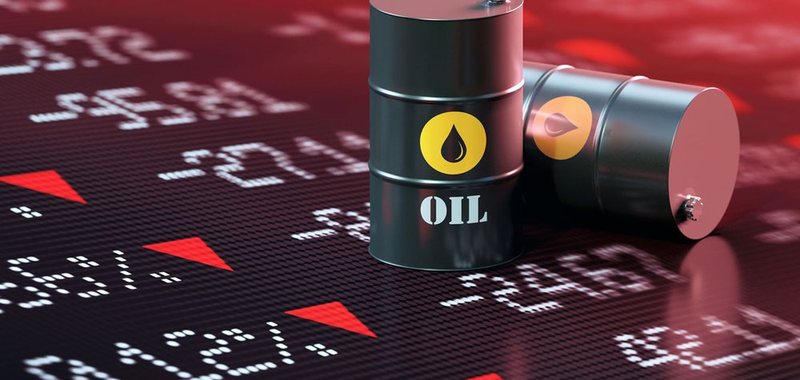
Çmimet e naftës bien pas kalimit të 110 dollarëve - Vendet e G7 shqyrtojnë shfrytëzimin e rezervave emergjente
Çmimet e naftës ranë të hënën pas raportimeve se Grupi i Shtatë vendeve, përfshirë SHBA-në, planifikonin të diskutonin një lirim të koordinuar të naftës së......

Buxhetimi gjinor, Malaj: 84 miliardë lekë në 2026, për më shumë mundësi për gratë dhe vajzat
Ministri i Financave, Petrit Malaj, bashkë me mesazhin e tij për urimin e 8 Marsit, ka sjellë në vëmendje se në vitin 2026, qeveria ka ndarë 84 miliardë lekë......

Mbrojtja e vendeve të punës, Rama: Mbështetje për bizneset pas rritjes së pagës minimale
Në podcastin e tij javor kryeministri Rama foli për mbështetjen që do t’u jepet bizneseve për shkak të rritjes së pagës minimale. Kryeministri tha se qëllimi......
Konflikti në Lindjen e Mesme, Rama: Prioritet kryesor siguria e shqiptarëve që ndodhen atje
Siguria e qytetarëve shqiptarë që ndodhen në Lindjen e Mesme është prioriteti ynë kryesor, pas konfliktit që po ndodh atje, tha kryeministri Edi Rama në......
Shqipëria në piedestal, Rama: Pjesëmarrja në Panairin e Turizmit në Berlin, ngjarje e rëndësishme
Kryeministri Edi Rama e cilësoi pjesëmarrjen e Shqipërisë në Panairin e Turizmit në Berlin si një ngjarje të madhe për vendin tonë. Rama tha në podcasting e......

8 Marsi përtej luleve/ Gratë shqiptare në shifra: përparim, por jo barazi e plotë
Në Ditën Ndërkombëtare të Gruas, statistikat tregojnë se gratë në Shqipëri po fitojnë gjithnjë e më shumë hapësirë në arsim dhe vendimmarrje, por sfidat......