How much water should we really drink per day? - Study debunks the "8 glasses" myth

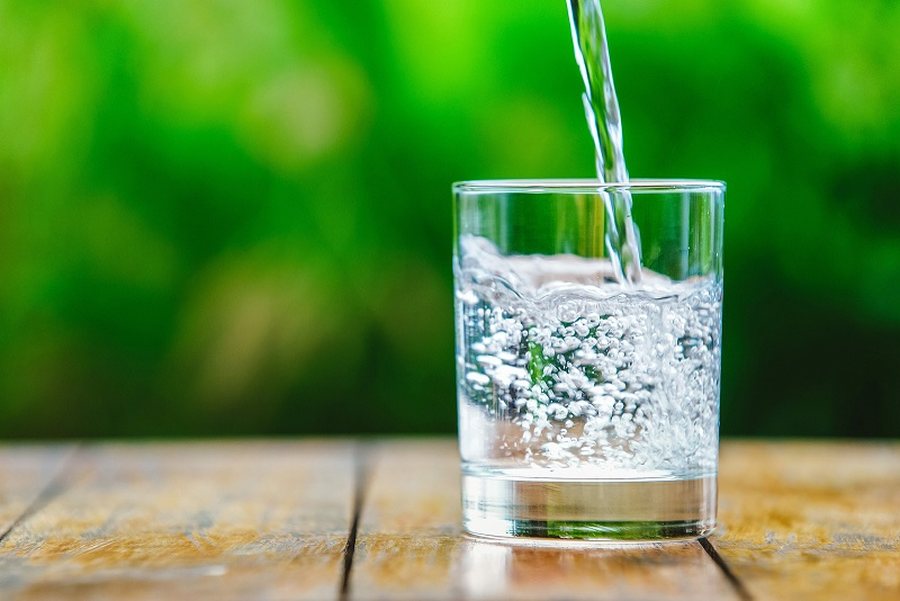
Whether it's fatigue, headaches, or dry skin, the advice we hear most often is simple: drink more water. For years, we've been led to believe that we should always carry a water bottle with us and that eight glasses of water a day is the key to good health. But the latest studies show that this widely held idea is not supported by science.
Today, adults consume more water than ever before. On public transport, in offices and schools, water has become an integral part of everyday life. Meanwhile, the famous “8 by 8” rule, which recommends eight glasses of water a day, has acquired the status of a health norm, although it is not mentioned in any official European or British guidelines.
According to recent research, a healthy adult needs an average of 1.5 to 1.8 liters of water per day, not two liters or more. And this amount does not only mean drinking water. It also includes tea, coffee, other beverages, as well as the water we get through fruits and vegetables, which in some cases contain almost entirely water.
The confusion over how much water we should drink dates back decades. In 1945, the U.S. Food and Drug Administration recommended that a person consume about one milliliter of fluid for every calorie they consume. But that advice included all sources of fluid, not just water. Over the years, that guideline has been misinterpreted and morphed into a simplified rule for glasses of water.
Even recommendations from the 1970s spoke of six to eight cups a day, but the authors emphasized that this amount could also be supplemented by foods, caffeinated beverages, or other beverages.
Experts emphasize that the feeling of thirst is not a sign of danger, but the body's natural mechanism to maintain water balance. The human body has developed a very sophisticated system for controlling hydration during evolution. The loss of a small amount of water is enough to activate the feeling of thirst and orient us towards drinking fluids.
Of course, there are times when your water needs increase. People who live in hot climates, those who engage in intense physical activity, and pregnant or breastfeeding women need more fluids than average. But for most people, there's no need for strict rules or glass counts.
The experts' message is clear: water is vital for the body, but drinking it should be guided by the body's real needs. Instead of following myths, it's enough to listen to the signals that the body gives us itself.
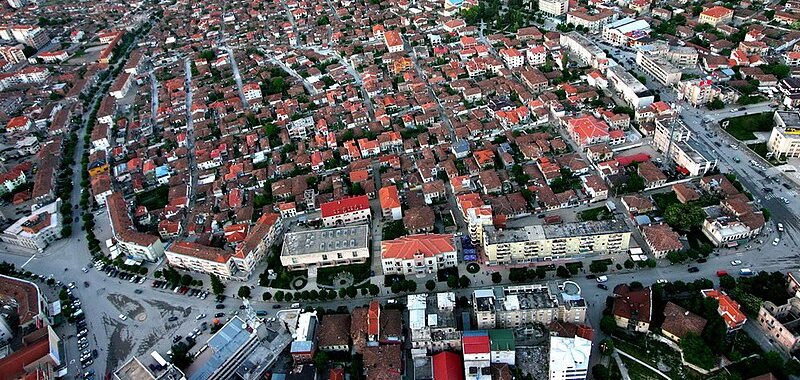
New tourist routes in Korça - 3.37 million euro contract signed for adventure tourism in Dardhe, Arrëz, Sinec and Nikolicë
Improving the tourist offer of natural sites in the Korça region, by improving access and adventure tourism infrastructure, in Dardhë, Arrëz, Sinec and......

Greece to change Constitution - Mitsotakis initiates procedures: It's time to dare to make big cuts
The Prime Minister of Greece, Kyriakos Mitsotakis, has sent a message to citizens on the occasion of the start of the national dialogue on the Constitutional......

Social networks, the main "weapon" of Albanian businesses/ Eurostat: Albania among the leading countries in Europe for digital advertising
Nowadays, company marketing has increasingly shifted towards social networks, where the audience is wider and the interaction more direct. Most companies......
Clothing and minerals "amortize" the trade deficit/ The "anatomy" of foreign trade. From clothing to energy. Where we win and where we lose
The structure of foreign trade during 2025, analyzed by chapters, shows a marked imbalance between imports and exports, with a limited number of chapters......
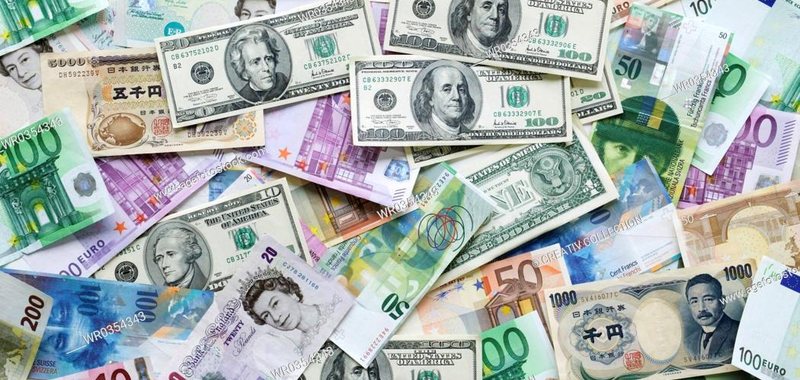
How has this week started for the major currencies?
The US dollar has recorded a slight increase in value over the weekend, starting this week positively as it was bought this morning at 81 lek and sold at......

More seasonal foreign workers in the US - 65,000 visas will be added for 2026. Which sectors benefit?
President Donald Trump's administration will add about 65,000 H-2B visas for seasonal foreign workers through Sept. 30, the Federal Register reported. The......
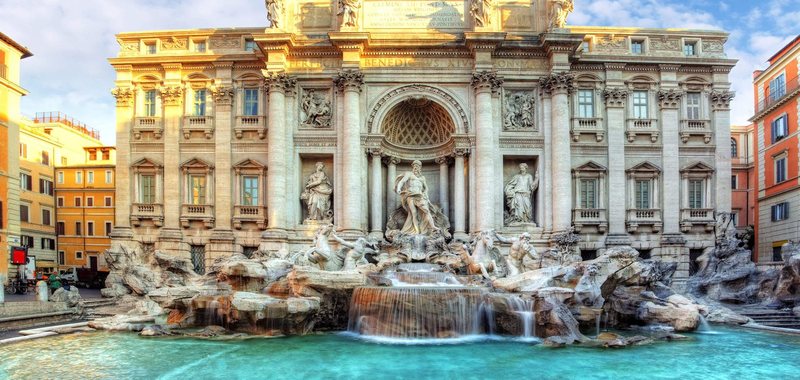
Trevi Fountain, starting today with a fee - It is estimated that an additional 6.5 million euros could be generated per year
Since February 2, 2026, the Italian capital has introduced 2-euro tickets for tourists to descend the stairs to the area around the water-filled basin, from......
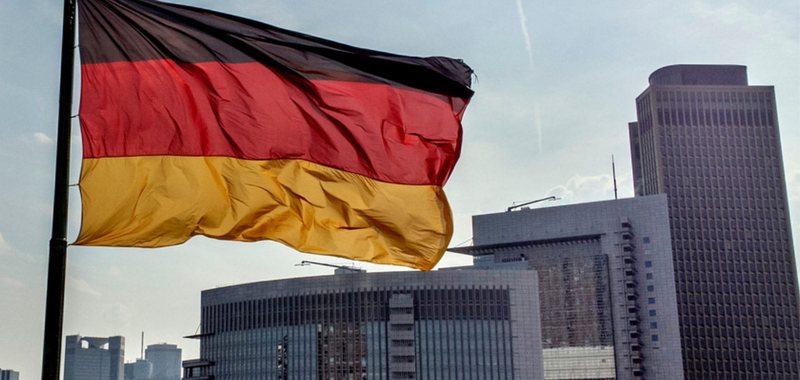
Unemployment in Germany, the highest level in 12 years - The figure reaches 3.08 million. Inflation also increasing
The number of unemployed in Germany reached its highest level in 12 years, surpassing 3 million, while inflation moved back above the European Central Bank's......