Clothing and minerals "amortize" the trade deficit/ The "anatomy" of foreign trade. From clothing to energy. Where we win and where we lose


The structure of foreign trade during 2025, analyzed by chapters, shows a marked imbalance between imports and exports, with a limited number of chapters generating trade surpluses and an overwhelming majority recording deficits, often at very high levels.
Overall, the surplus is concentrated in a few specific chapters, mainly in sectors with a manufacturing or processing advantage, while the largest deficits are related to energy, machinery, means of transport and basic foodstuffs.
One of the best performing chapters is that of edible vegetables and related roots, which records a surplus of around 9.8 billion lek. This chapter confirms the important role of agriculture in Albanian exports, especially towards regional and EU markets.
Likewise, oilseeds, industrial crops, and animal feed generate a significant surplus, over 3.2 billion lekë, reflecting the increase in exports of higher value-added agricultural products.
In the food industry, a positive balance is also observed in foods prepared from meat, fish and shellfish, with a surplus of around 1 billion lek.
Another group with a high surplus is ores, slag and ash, as well as salts, sulfides, oxides, lime and cement. These chapters remain closely linked to exports of raw materials and construction materials.
In the clothing sector, the performance is clearly positive. Footwear records the highest surplus among the manufacturing chapters, over 31 billion lek, followed by non-woven clothing items, with a surplus of about 15.6 billion lek, and knitted clothing items, with about 2.8 billion lek. This clearly shows that the fason industry remains one of the main pillars of exports.
A positive balance also appears in copper and copper articles, lead and articles thereof, as well as aircraft and spacecraft, although these chapters have a more limited weight in total trade.
On the other hand, the list of deficit chapters is long and very high. The deepest deficit is recorded in means of transport, with over 81 billion lek deficit, reflecting the heavy dependence on imports of vehicles and other means of transport.
Another problematic chapter is that of mineral fuels, mineral oils and distillation products, with a deficit of around 53 billion lek, which underlines the structural dependence on energy imports.
Electrical machinery and equipment also show a very high deficit, with over 44 billion lek, as well as nuclear reactors, machinery and mechanical equipment, with a deficit of around 61 billion lek.
In the food sector, deficits are particularly pronounced in beverages, alcohol and vinegar (around 17.5 billion lek), cereals (over 10 billion lek), as well as in preparations made from cereals, flour and starch, with a deficit of over 10.6 billion lek. These figures indicate the continued dependence on imports of basic food products.
A high deficit is also observed in pharmaceutical products, plastics and articles made from them, as well as cast iron and steel, with a deficit of approximately 27.5 billion lek.
How has this week started for the major currencies?
The US dollar has recorded a slight increase in value over the weekend, starting this week positively as it was bought this morning at 81 lek and sold at......

More seasonal foreign workers in the US - 65,000 visas will be added for 2026. Which sectors benefit?
President Donald Trump's administration will add about 65,000 H-2B visas for seasonal foreign workers through Sept. 30, the Federal Register reported. The......

Trevi Fountain, starting today with a fee - It is estimated that an additional 6.5 million euros could be generated per year
Since February 2, 2026, the Italian capital has introduced 2-euro tickets for tourists to descend the stairs to the area around the water-filled basin, from......
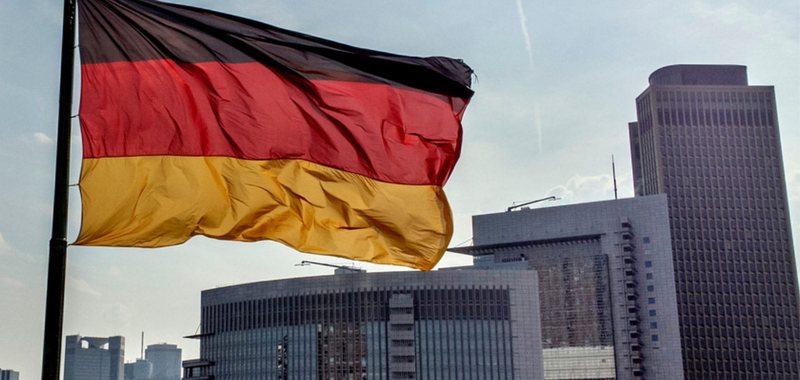
Unemployment in Germany, the highest level in 12 years - The figure reaches 3.08 million. Inflation also increasing
The number of unemployed in Germany reached its highest level in 12 years, surpassing 3 million, while inflation moved back above the European Central Bank's......

ARRSH: Elbasan-Qafë Thanë axis opens for traffic
The Albanian Road Authority announces that the Elbasan-Qafë Thanë axis is now open for vehicle traffic. The Road Police together with the Albanian Road......
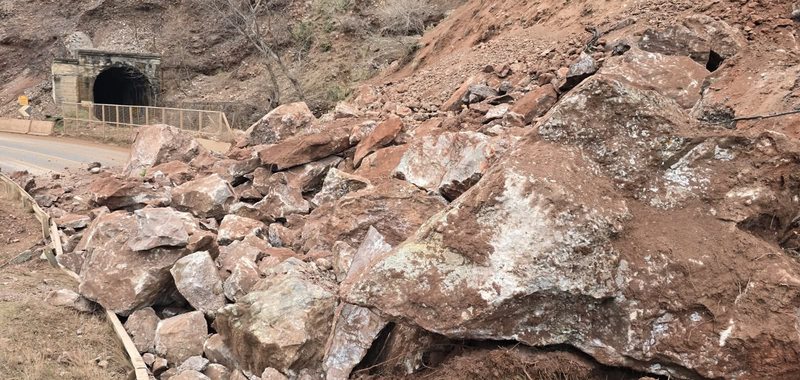
Massive landslide on the Librazhd - Qafë Thanë road axis/ Police: Vehicle traffic is completely blocked in both directions
The State Police announces that on the Librazhd - Qafë Thanë road axis, in the place called Dragostunjë, as a result of a landslide of soil and rocks from......

"Other cadastral directorates will be relocated" - Rama: The case of Vlora was misunderstood. The future is a service without counters
After the relocation of the Vlora Cadastre office to Tirana, the turn of other directorates will also come. In this week's podcast, Prime Minister Edi Rama......

Albanian-Israeli Chamber of Commerce Established - Rama: Cooperation Instrument That Opens New Paths for the Future
Prime Minister Edi Rama's official visit to Israel has brought, among other things, the establishment of the Albanian-Israeli Chamber of Commerce. According......