Where do people work the most on weekends? - Balkan and Mediterranean countries lead

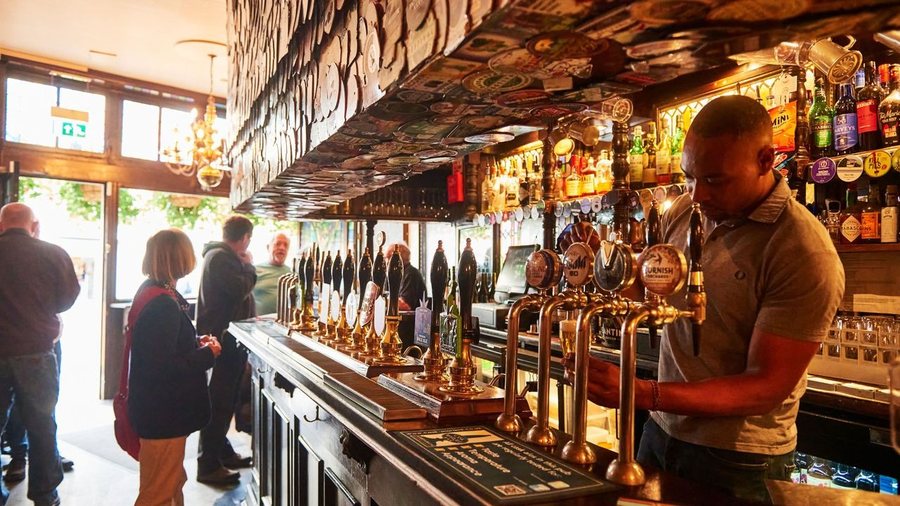
More than one in five workers across Europe, 21.3%, regularly work shifts on Saturdays and Sundays, according to the latest Eurostat data. In some countries, the average is much higher than this, particularly across the Balkans and the Mediterranean.
In Greece, 41% of employees and self-employed people are active during the weekend, 33% in Bosnia and Herzegovina and 32% in Malta, Cyprus and North Macedonia.
At the same time, the North and East of the continent show much lower rates. In Lithuania, only 4% of workers work weekends, 7% in Hungary and 7.5% in Poland.
It is perhaps no great surprise that business owners take fewer weekends off than employees: 46% of them have to be at work compared to 18.5% of employees. When it comes to employees alone, Greece, Cyprus and North Macedonia remain in the top spots with rates above 30%, followed by Switzerland and Malta, slightly lower, at 29%. On the self-employed or employers front, Greece again shows the highest rate at 75%.
Nearly half of all service and sales workers (47.6%) regularly work weekends, as do people in agriculture, forestry and fishing (47.2%).
But the current trend in Europe seems to be more about shortening the workweek than lengthening it. The latest country to try this was Poland, a fast-growing economy that has also struggled with burnout. In the summer of 2025, the country launched a pilot project that aimed to reduce the workweek from 39 hours to 35, without any pay cuts. Employees could choose between three options: work six hours a day, take a three-day weekend, or have extra days off.
The experiment, launched by the Ministry of Labor in 90 public and private workplaces and 5,000 employees, will be evaluated in 2027. Each participating workplace was compensated up to 210,000 euros to help cover any disruption to rotation caused by reduced working hours.
Other European countries that tested the four-day workweek were the United Kingdom, Germany, Portugal, Iceland, France and Spain.
Up to 2.5 million lek to support businesses - AIDA opens call for financing of micro, small and medium-sized enterprises
The Albanian Investment Development Agency (AIDA) and the Ministry of Economy and Innovation have announced a call for applications for financial support for......
The US Dollar Strengthens Again – The Franc and the Pound Weaken Significantly!
The US dollar has registered another increase in value this morning, strengthening from the day before as it was bought for 80.7 lek and sold for 81.7 lek......

Britain's cost of living crisis - Families worried about the impact of war on personal finances
British households are bracing for a new cost of living crisis as the impact of conflict in the Middle East reduces confidence in the economy and personal......
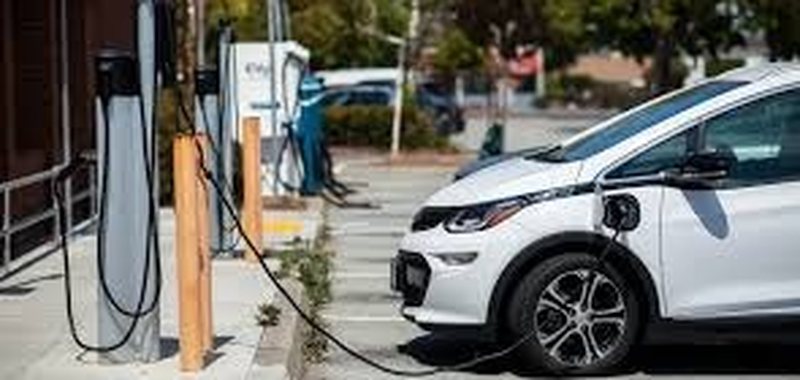
Europe invested 200 billion euros in electric cars - 109 billion euros were committed to the battery supply chain
European Economic Area countries and Switzerland have committed almost 200 billion euros in investment into their electric vehicle ecosystem, data from New......
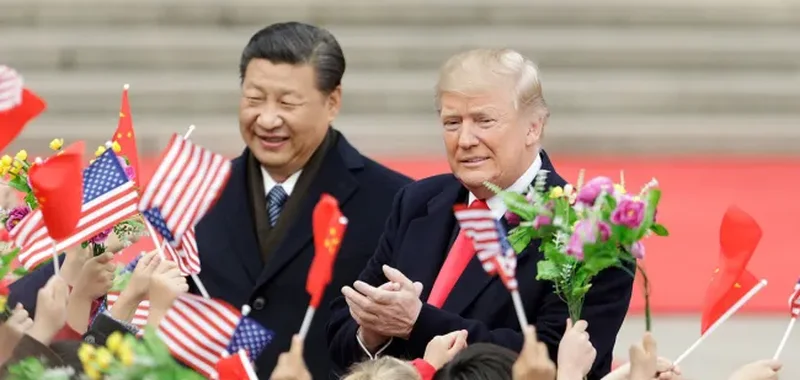
Resurgence of US energy exports to China - Trump-Xi deal expected this week
US President Donald Trump will arrive in Beijing this week for a summit with President Xi Jinping on May 14 and 15, where US officials say a deal for Beijing......
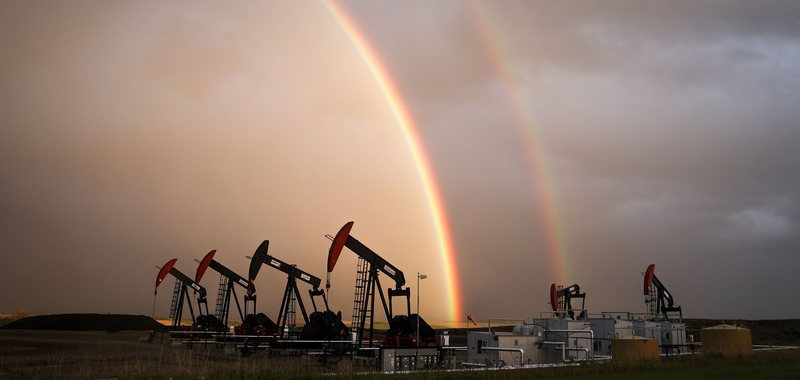
Additional tax on oil company profits? - First-quarter results prompt demands from several EU countries
European oil and gas companies that posted huge profits in the first quarter due to price increases caused by the war in the Middle East are facing fresh......
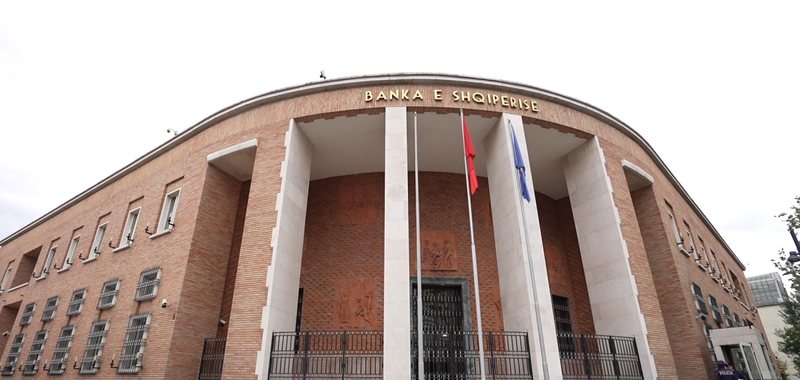
Non-performing loans, Bank of Albania: There was a slight increase in March
According to the latest data from the Bank of Albania, the non-performing loan ratio in March reached 3.85%, up from 3.8% a month earlier. But on an annual......
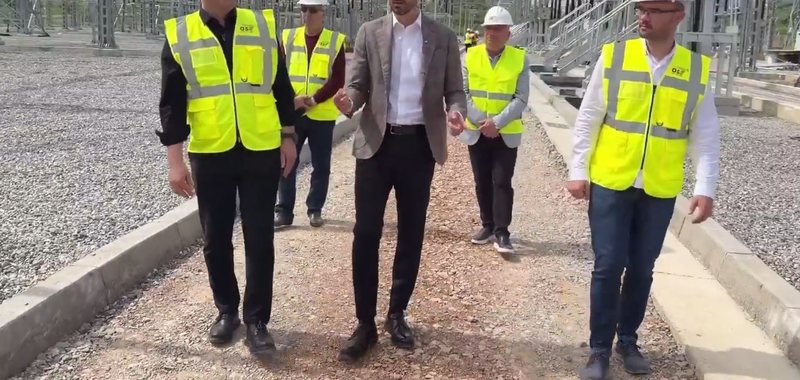
Karakaçi inspects works at the OST substation, Elbasan 3: Investment in the transmission network responds to the increase in energy production capacities
The Elbasani 3 electrical substation is another strategic investment of the Transmission System Operator. Recent developments in the sector, especially the......