Solar panel air conditioning - Eliminates carbon dioxide emissions

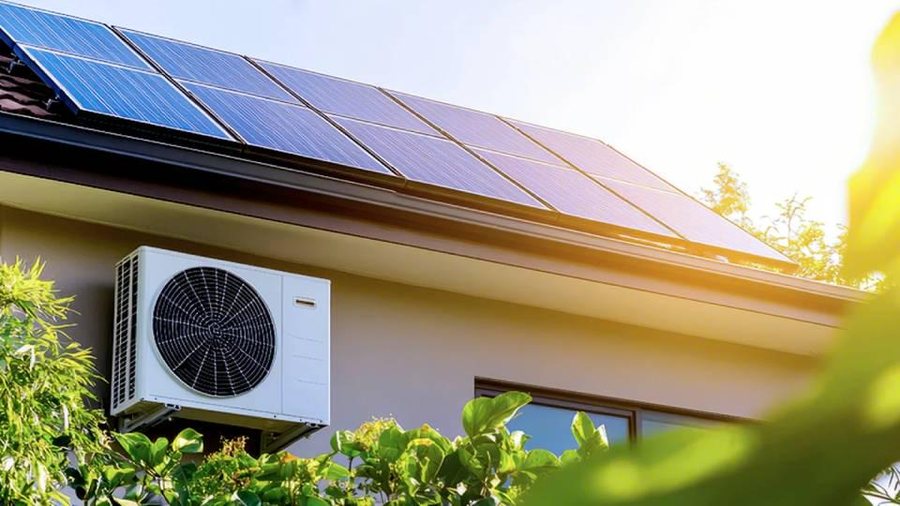
High temperatures have gripped much of the continent this week, resulting in disruption and dozens of deaths. A new analysis by energy think tank Ember found that a typical UK home with rooftop solar panels generated enough electricity to power an air conditioning unit for five hours a day during the heatwave.
The International Energy Agency (IEA) estimates that cooling, which is mainly air conditioning but also includes fans, consumed about 2,100 terawatt-hours of energy in 2022. That's about seven percent of the world's electricity from that year.
Some of this electricity comes from fossil fuels, so air conditioning is often seen as a driver of carbon emissions. In 2022, the IEA estimated that space cooling caused about one billion tons of CO2 from electricity use - almost three percent of total CO2 emissions.
While this may not seem significant, experts predict that air conditioning units could triple in the next three decades - reaching a staggering 5.5 billion installations - as climate change continues to raise temperatures.
The EU, which has a low use of air conditioners compared to regions like the US, is projected to have more than 275 million air conditioner units by 2050. The recent heat wave in France, which saw temperatures break records, has sparked political debate.
No matter how energy-efficient an air conditioning unit is, the process of drawing heat from inside a home and releasing it outside contributes to the urban heat island effect. This occurs when heat is trapped between tall buildings and absorbed by the vast amounts of asphalt and concrete found in cities before being released back into the air. This is why larger cities tend to experience more heat stress.
Albania signs memorandum with ENI on strategic oil and gas reserves
The Albanian government has signed a memorandum of understanding with the Italian energy company ENI, with the aim of increasing energy security and creating......

Internet cables will go underground, Rama warns of "Urban Renaissance 2.0"
The government has introduced an initiative for the systematization of electronic communication networks in cities, which envisages the gradual transition of......
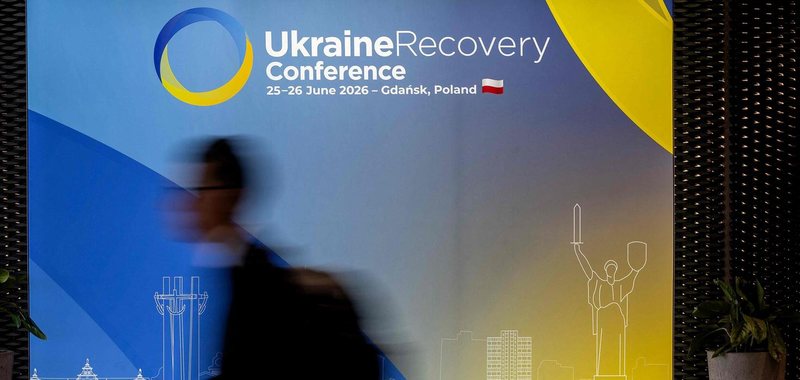
Rama in Gdansk: Reconstruction of Ukraine and EU enlargement are part of the same strategy
Prime Minister Edi Rama participated in the conference on the reconstruction of Ukraine, held in Gdansk, Poland, where the focus was on support for Kiev and......
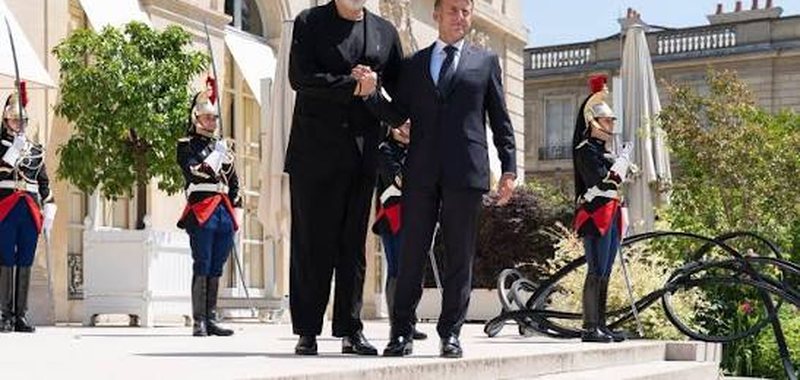
Rama on the meeting with Macron in Paris: European integration and the Albania-France partnership in focus
Prime Minister Edi Rama paid a visit to Paris, at the invitation of French President Emmanuel Macron, where the focus of discussions was the strategic......
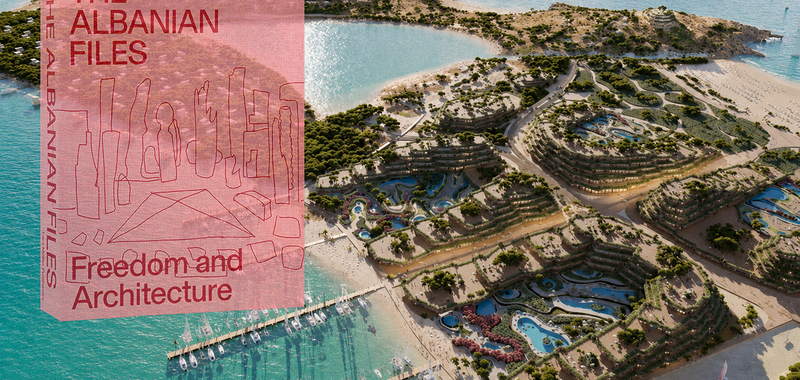
“The Albanian Files”, Rama: Independent project with 60 international studios
Prime Minister Edi Rama has reacted to the debate created around the book "The Albanian Files", a publication that compiles projects, ideas and reflections......
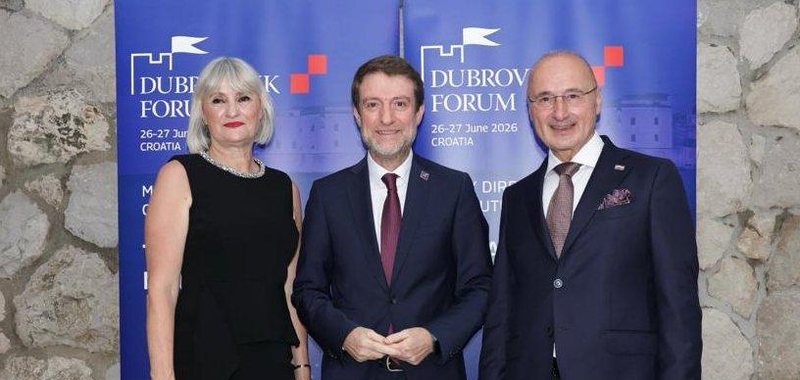
Minister Hoxha at the Dubrovnik forum: - EU membership, the only direction for Albania's future
Minister for Europe and Foreign Affairs Ferit Hoxha is participating in the Dubrovnik Forum in Croatia, where he was initially hosted by his Croatian......

46% more individuals choose vocational training - AKPA: Over 6,700 citizens benefited during five months
Interest in vocational training in the country continues to grow. According to data published by the National Employment and Skills Agency, during the period......
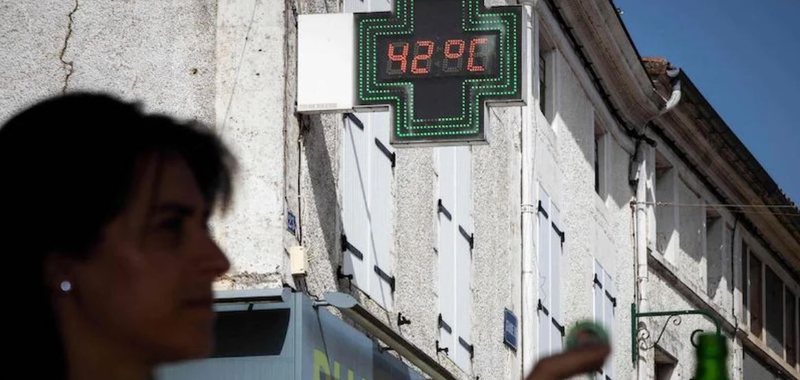
Extreme heat in Europe - Record temperatures and fears for economic impact
Record temperatures are hitting Germany, Austria and Switzerland, but a slight drop in temperatures is expected from Monday, according to forecasts.......