One in four agricultural vehicles is located in Fier/ More tractors, but fewer seeding machines in 2025

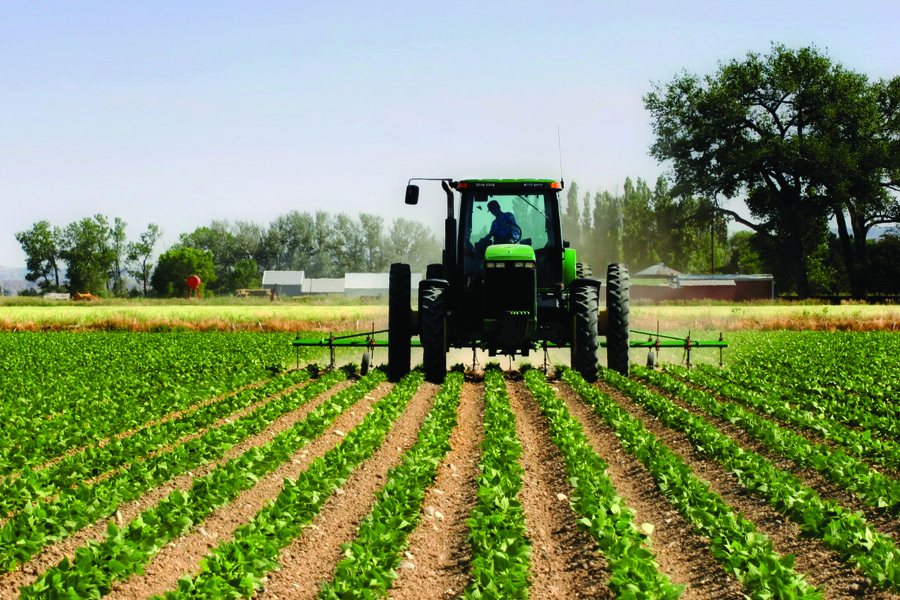
The number of agricultural vehicles in Albania has been increasing in recent years, reaching 34,770 units in 2025, from around 31,000 registered in 2019. This includes tractors, mini tractors, seeders, harvesters, combine harvesters and milling machines.
Compared to the previous year, the agricultural machinery fund has expanded by 740 vehicles, or about 2.2%, while compared to 2019 the increase reaches 12%. Data show that agricultural mechanization continues to expand, but remains mainly concentrated in the regions with the greatest share in agricultural production.
The figures show that Fier continues to hold the main weight, with a total of 8,804 vehicles, or more than a quarter of the national total. This region alone counts 3,174 wheeled tractors, 1,367 minitractors, 979 seeding machines and 2,266 milling machines.
Following Fier is Korça, with 4,814 agricultural vehicles. Together, these two regions own about 39% of all agricultural machinery in the country, demonstrating a high concentration of equipment in traditional agricultural areas.
At the other end of the ranking are Dibra and Kukës. Dibra registers only 933 agricultural vehicles, while Kukës has 1,070. The difference is considerable, as Fier has over nine times more vehicles than Dibra.
Nationally, wheeled tractors constitute the largest category, with 10,745 units, followed by tillers with 9,374 and mini tractors with 6,240 units. The most limited in number are combine harvesters, with 743 vehicles, and tracked tractors, with only 157 units nationwide.
Compared to 2024, the changes in the main categories are moderate. The number of wheeled tractors has increased by 113 units, while that of minitractors has increased by 72 vehicles.
In contrast, the number of planting machines has decreased from 4,362 to 4,207, or 155 units less. This shows that the expansion of mechanization has not been uniform across all categories, while the gap between regions continues to remain pronounced.
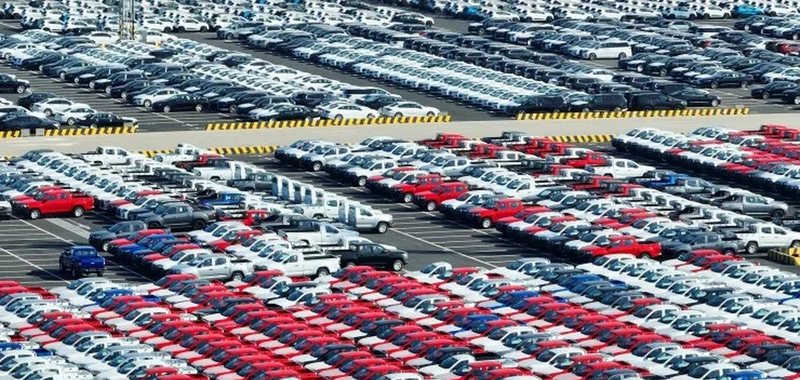
Asian cars increase their presence on Albanian roads - DPSHTRR: 6-month period, Korean vehicles top the list
During the first half of the year, Korea was the main country of origin of vehicles registered for the first time in Albania. Data published by the General......
Government meeting, Media Agency publishes approved decisions and draft laws
The Media and Information Agency published this afternoon the decisions and draft laws approved at today's government meeting on 15.07.2026. The announcement......

Farmers' compensation with 10% of the car bill, Taxes: Request for 1.85 million euros
Farmers have continued to apply for the 10% compensation through autoinvoice. According to the General Directorate of Taxes, 686 online applications have......
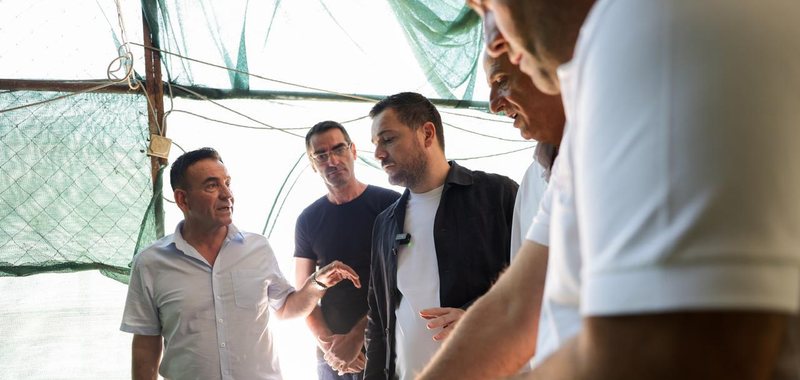
Ministri Salla në Pogradec, nisi rrallimi i rasateve të koranit autokton në fshtin Lin
Ministri i Bujqësisë dhe Zhvillimit Rural, Andis Salla, vizitoi Ekonominë e Linit në Pogradec, ku nisi procesi i parë i rrallimit të rasateve të koranit......

Elderly people, opportunities in the labor market - Kasmi: There are suitable jobs even near retirement
The reduction in long-term unemployment during 2025 has not affected all population groups in the same way. The improvement is more noticeable among young......
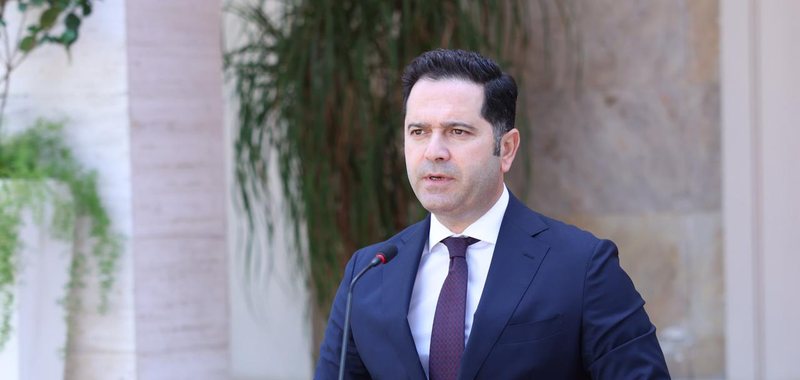
Malaj: Legal changes modernize the financial system and bring it closer to EU standards
The Minister of Finance, Petrit Malaj, stated that the Council of Ministers today approved amendments to the law "On Payment Services", the law "On the......

The government approves the pension agreement with Poland - Three more laws related to the financial system are amended
The social security agreement with Poland and changes to financial legislation were among the decisions approved at the government meeting. The Minister of......

Koçiu: Albania is building a modern defense industry with investments and strategic partnerships
Deputy Prime Minister Albana Koçiu stated that Albania is increasing investments in the defense sector and building a modern military industry, as it......