Who does Albania gain and lose from trade/ The partners that weigh the most in the balance. From Kosovo to China


Foreign trade data for 2025 clearly show that Albania's trade relations with the world are very unequal. With some countries, Albania manages to export more than it imports, while with others the difference runs into tens of billions of lekë to its disadvantage.
At the top of the list of countries with which Albania has a trade surplus is Kosovo, with over 17.5 billion lek more exports than imports. Following Kosovo are Slovakia and Montenegro, with trade surpluses of around 5 billion lek each. In these cases, the surplus is mainly related to exports concentrated in a few specific categories of goods, such as energy and industrial products.
The list of countries with a positive balance also includes Spain, Malta, Bosnia and Herzegovina, Moldova and Latvia, showing that Albanian exports manage to be competitive in several EU and regional markets.
Biggest deficits: China, Turkey and key European partners
On the other hand, China is the country with which Albania has the largest trade deficit, with over 107 billion lek more imports than exports during 2025. Chinese goods remain dominant in the Albanian market, from electrical appliances to daily consumer products.
Turkey ranks second, with a deficit of over 80 billion lek, while Greece and Italy, two traditional partners of Albania, also show large negative differences. With these countries, Albania imports mainly food, industrial and construction goods, while exports remain significantly lower.
The list of countries with high deficits also includes Germany, Serbia, the United States and Poland, reflecting the large weight that these economies have in supplying the Albanian market.
A striking element in the 2025 data are the trade surpluses with small or less common countries on the Albanian trade map. Albania exports more than it imports, even to markets such as El Salvador, Nigeria, Lebanon, Iraq, Kazakhstan, Senegal, Belize, Rwanda or some small island territories, where the total trade volume is not high, but the balance remains positive.
Property revaluation, when does the process start? - Instructions, deadline until February 5. 500 thousand families benefit
The law that gives citizens and businesses the right to revalue their real estate with a tax rate of 5% officially enters into force on January 22. But this......
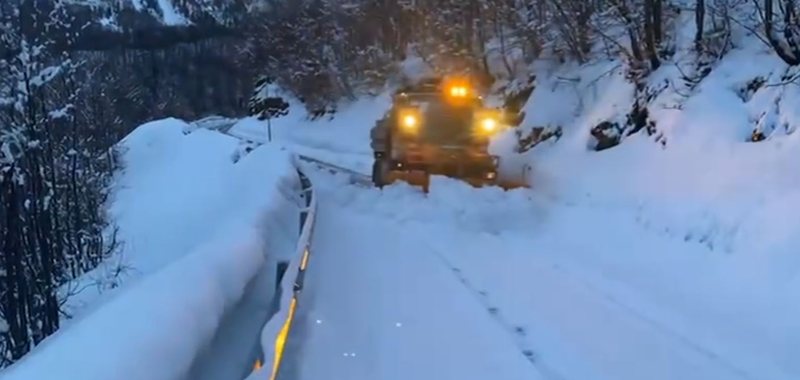
Snow in the north and southeast of the country - ARRSH: Drivers should be equipped with winter tires
During the night, the country's territory was covered by moderate rainfall, while snowfall began in the northern and southeastern areas. The Albanian Road......
About 9 thousand construction companies "targeted" by taxes - 7 legal obligations that penalize them. From salaries, to invoices and premises contracts
The construction sector plan, which has begun to be implemented by the tax administration, aims to reduce informality and increase transparency in the sector,......
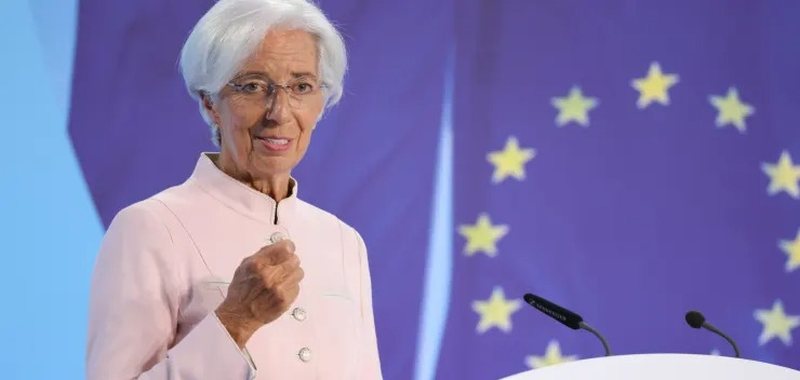
"The European economy needs a deep overhaul" - ECB President Lagarde: We must face the new world order
The European economy needs a "deep overhaul" to face "a new international order", declared the president of the European Central Bank, Christine......
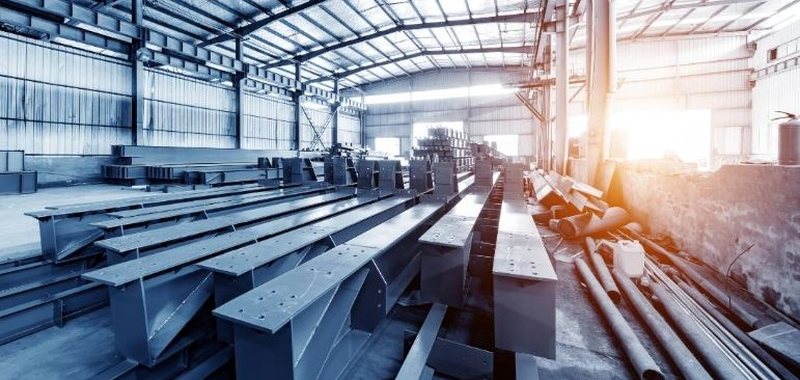
20% of EU steel and aluminum production - European Commission proposal by 2030
A European Commission proposal aimed at reindustrialising and decarbonising the bloc's heavy industry to combat fierce competition from China and the United......

The Swiss Franc strengthens again - The US Dollar recovers that point too!
The US dollar has recorded an increase in value, recovering points from the previous day as it was bought this morning at 82 lek and sold at 83 lek according......

Poland has more gold than the European Central Bank - Target, 700 tons with total value of reserves around 94 billion euros
The President of the National Bank of Poland (NBP), Adam Glapiński, has emphasized for years that gold plays a special role in the structure of reserves. It......
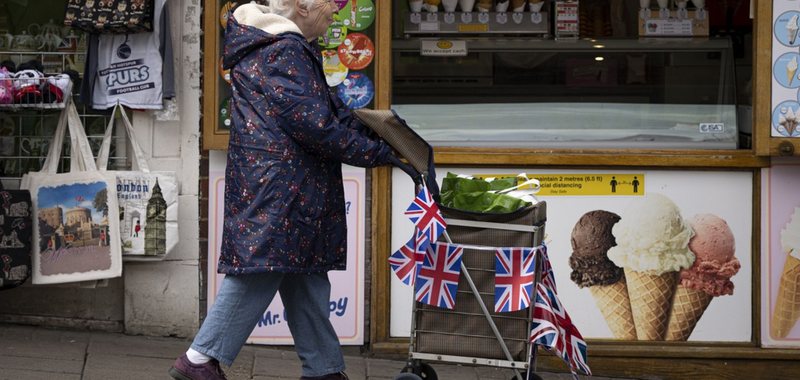
Britain, highest unemployment in 4 years - ONS: Number of employees on payrolls fell by 43,000
The number of people employed in the UK has fallen, particularly in shops, restaurants, bars and hotels, reflecting a decline in employment, while wages in......