Over 123 thousand tons of olives for oil in 2025/ The sector remains oriented towards processing. Fier, the heart of Albanian olive growing

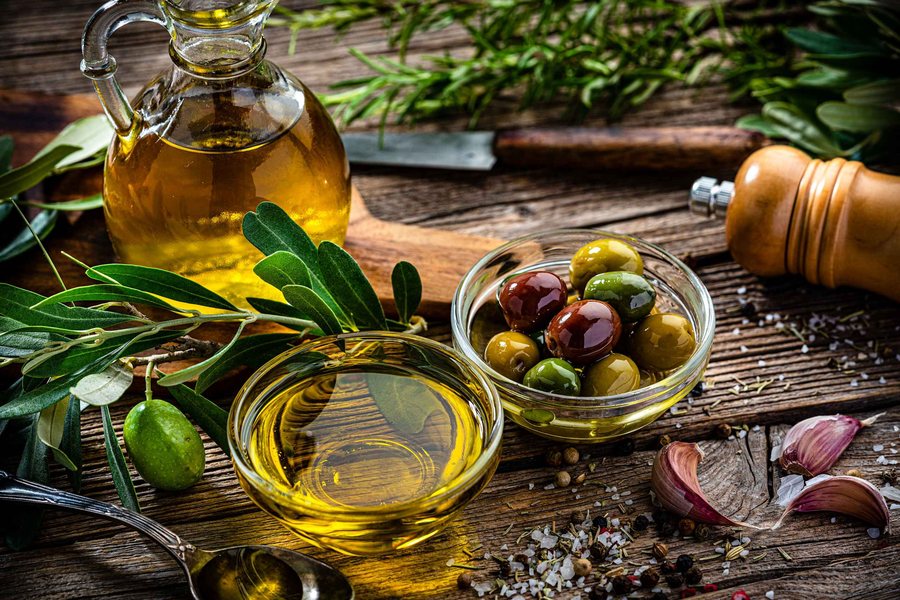
Olive production in Albania reached 143.4 thousand tons during 2025, remaining at one of the highest levels in recent years, despite a slight decrease of 2.3% compared to 2024. Data processed by INSTAT show that the sector continues to be dominated by the production of olives for oil, while Fier remains the main center of cultivation in the country.
After a production of 146.7 thousand tons in 2024, the amount of olives harvested this year fell by about 3,300 tons. However, the 2025 production remains significantly higher than that of 2023, when 117.6 thousand tons were recorded, confirming a stable level of the sector after the fluctuations of recent years.
Of the total production, 123.7 thousand tons, or about 86%, are olives destined for oil production, while 19.6 thousand tons are table olives. This shows that the olive oil industry continues to be the main destination of domestic production.
At the regional level, Fier leads with 48.5 thousand tons, contributing about a third of the national production. It is followed by Elbasan with 26 thousand tons, Berat with 24 thousand tons and Vlora with 20.5 thousand tons. These four regions together produce over 83% of all olives in the country.
Even at the municipal level, traditional olive growing areas dominate. Lushnja ranks first with 13.8 thousand tons, followed by Mallakastra with 13.4 thousand tons, Fier with 11 thousand tons, Elbasan with 10 thousand tons and Berat with around 9 thousand tons. On the other hand, some municipalities report symbolic production or do not register olive cultivation at all, while the Dibër, Korçë and Kukës regions continue to have no production.
The figures confirm that Albanian olive groves remain mainly concentrated in areas with a Mediterranean climate in Central and Southern Albania, where natural conditions favor olive cultivation and oil production, one of the most important agricultural products in the country.

Fluctuations in the foreign exchange market – Dollar and Franc weaken. Pound gains points
The US dollar registered a decrease in value this morning, weakening compared to the previous day as it was bought for 81.4 lek and sold for 82.4 lek......

Public Administration Week, new initiatives for a modern administration on the path to the EU
Within the framework of the Public Administration Week, held under the motto of building a modern administration at the service of citizens and the European......
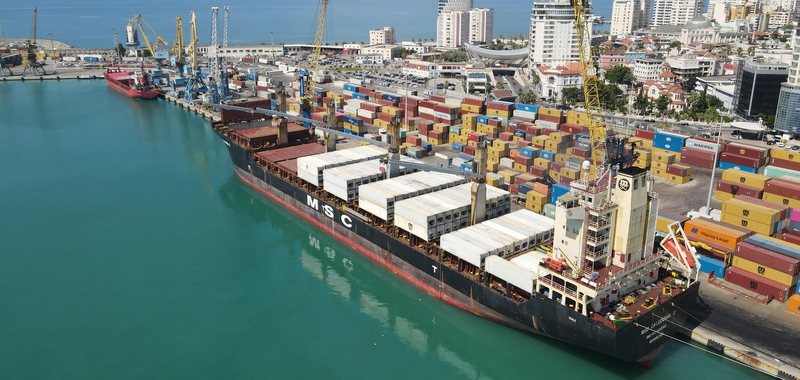
10.6 billion lek revenue in one month, Durres customs the main supplier of the budget
The Port of Durres holds the largest share of the Albanian market's supply of goods and therefore also of the state budget with revenues. According to a post......

Rivlerësimi, Tatimet: Në periudhën mars-qershor u kursyen 104.3 milionë euro kosto fiskale
Nga rivlerësimi i pasurive të paluajtshme janë kursyer deri në fund të muajit qershor 104.3 milionë euro kosto fiskale nga tatimpaguesit. Shifrën e ksa......
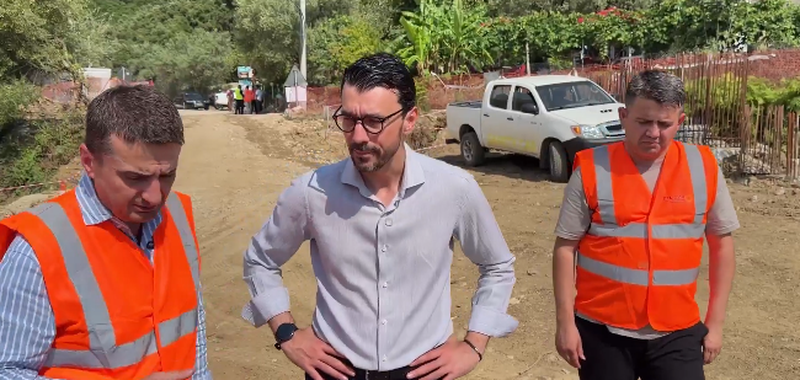
Karakaçi: The new substation in Piqeras increases the security of energy supply in the south
The Minister of Infrastructure and Energy, Enea Karakaçi, stated that the new electrical substation being built in Bunec, near Piqeras, will significantly......
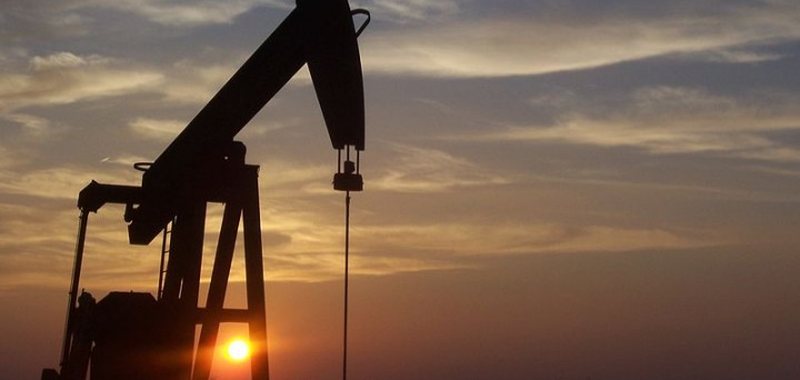
World faces historic loss of oil supply - Due to war with Iran, dwindling reserves bring risks
The world has comfortably weathered the loss of over a billion barrels of oil supplies since the start of the war, but, with long-term peace elusive and......
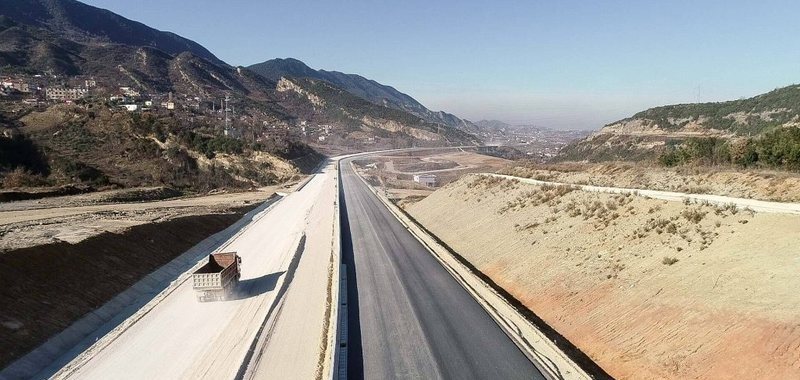
Corridor VIII, tender opens for voltage lines - The contract also affects the Tirana - Durrës axis, limit fund 166.7 million lek
The Albanian Road Authority has opened the tender for the drafting of the technical project for the relocation of high-voltage lines affected by the......

From public transport to water supply, 65 million euros additional for municipalities - Demo: "Rilinda 2.0", financing package for local government
Public transportation, investments in water supply and sanitation, or interventions in the agricultural sector will be the focus of the Rilindja 2.0 program,......