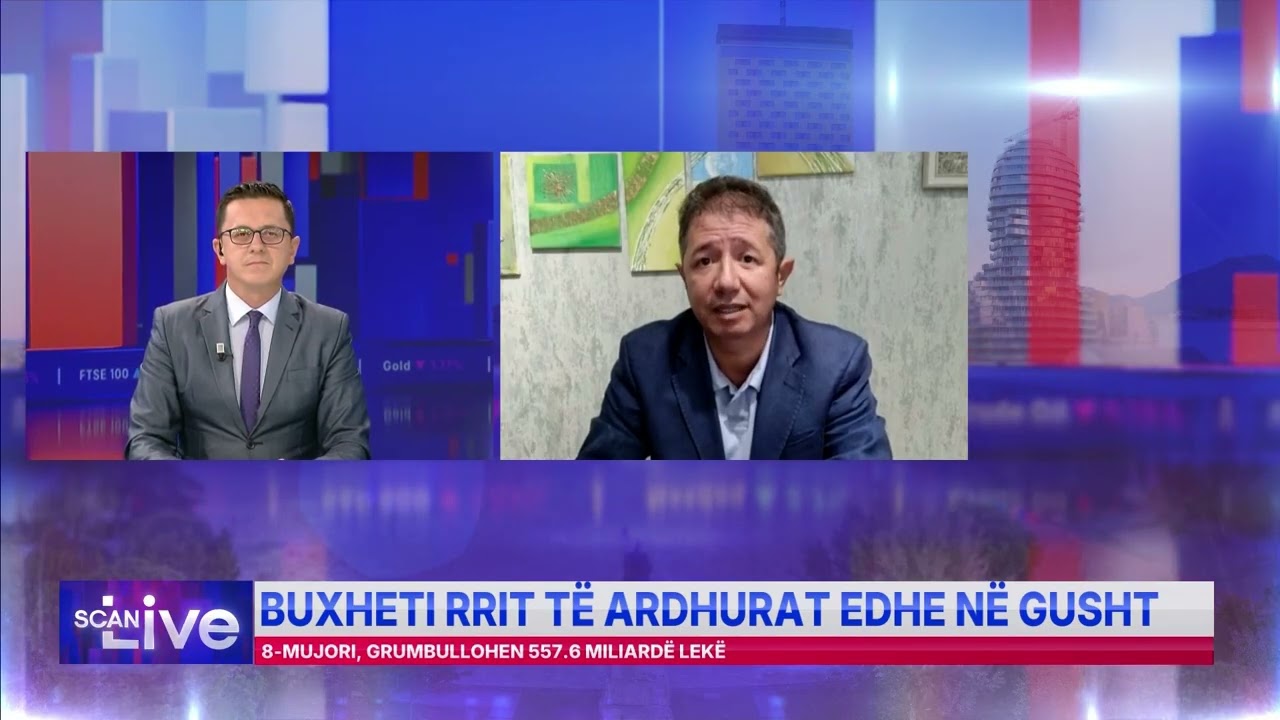
Resolution, here are the tasks that the Parliament left for the Bank of Albania and the government

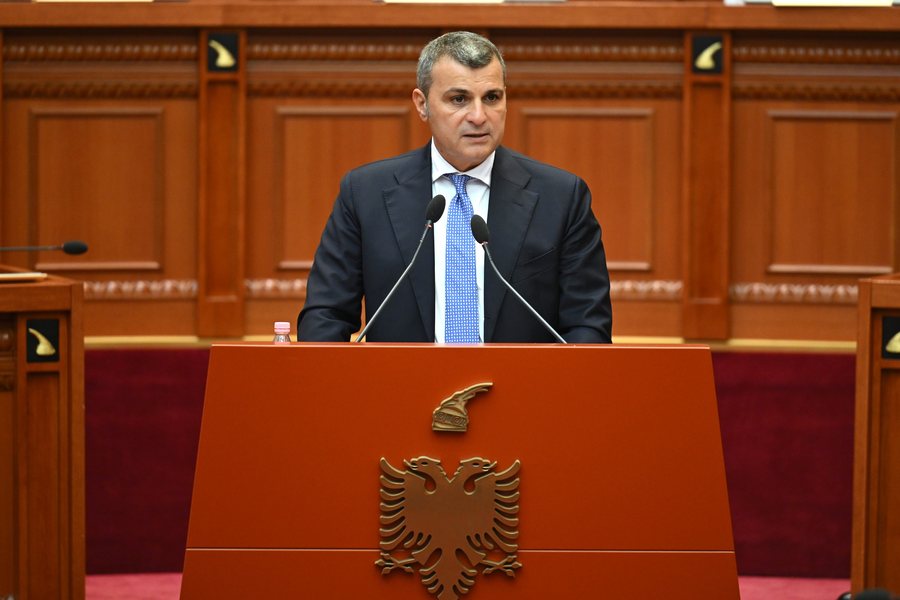
A resolution with 13 recommendations for the Bank of Albania and three for the government was approved in the plenary session of the Assembly on October 30. The document calls for the Bank to continue to focus on lending and to exercise greater control over foreign exchange offices, non-bank institutions and the prevention of money laundering. In the 3 tasks left for the Council of Ministers, the Assembly calls for the drafting of legal amendments setting ceilings for interest rates and penalties for consumer loans.
The following are the recommendations issued by the Assembly Resolution:
Bank of Albania:
1. To enrich macroeconomic models, including the continuous adoption of contemporary scientific research methods, in order to improve the quality, accuracy and relevance of economic and financial forecasts and assessments, while always keeping in focus the orientation of monetary policy towards guaranteeing price stability as a fundamental prerequisite for the sustainable economic development of the country.
2. Coordinate monetary and fiscal policy, in order to ensure a harmonized and synergistic approach that will not only support macroeconomic stability and effective inflation control, but will also create the conditions for sustainable economic growth and improvement of the general well-being of citizens.
3. Adopt a measured and prudent approach to interventions in the foreign exchange market, limiting them to cases necessary and justified by market circumstances, in order to strengthen the function of the exchange rate as a self-regulating mechanism of the economy, which helps to mitigate external shocks, maintain competitiveness and support a stable macroeconomic balance.
4. Strengthen supervision regarding the banking system's exposure to large borrowers and diversify the loan portfolio, with the aim of mitigating sector and territorial concentration, increasing the capacity of banks so that the banking system can maintain capitalization and stability even in cases of difficulties of major borrowers, as well as guaranteeing sustainable development.
5. Intensify the monitoring of loans to the construction sector and real estate-backed projects, ensuring a more conservative assessment of collateral and solvency, to reduce the risk concentrated in this sector and to maintain the stability of the banking system.
6. Integrate climate and transition risks into the supervisory framework, through the development of a comprehensive framework for identifying, measuring, managing and reporting exposures to sensitive sectors, which should require commercial banks to document relevant climate risk management policies, regularly report relevant exposures and conduct analyses and stress tests on potential climate and transition impacts, as well as provide the necessary instruments for financing projects that are in line with this agenda of Albania in line with the European integration process.
7. To accelerate the process of aligning the regulatory and supervisory framework with European Union standards and Basel III recommendations, in order to increase the stability of the banking system and prepare the country for integration into the European common market.
8. Strengthen supervision of non-bank financial institutions, aiming for full implementation of regulatory changes adopted last year, to improve the quality of the loan portfolio and the protection of borrowers.
9. In cooperation with other responsible authorities, harmonize and continuously update plans for responding to cyber attacks in the banking sector and in the payment systems operated by it, as well as continuously engage in conducting security tests for each systemic bank.
10. Increase ongoing oversight of the activities of foreign exchange offices, specifically to meet new regulatory requirements, with the aim of ensuring the integrity and transparency of the financial system.
11. In cooperation with other institutions in the field, ensure the rigorous implementation of the entire regulatory reporting, preventive and vigilance framework in the field of preventing money laundering and terrorist financing, for all entities it supervises.
12. Continue updating and incorporating the legal and regulatory framework in the field of payments in line with European Union legislation and benchmarks defined in the negotiation process, as well as market needs. Continue the process of integration into the TIPS system and support initiatives to increase access to real-time payments for the population and businesses through technological innovation.
13. Increase cooperation with all stakeholders and public institutions to raise awareness about the harms of financial disinformation, as well as to draft and implement standard regulations for its prevention and monitoring, with the aim of preserving financial stability and strengthening national security.
The Assembly also requests the Council of Ministers to accelerate the completion of the legal framework for non-banking financial institutions, through:
1. Finalizing the process of amendments to Law No. 9902/2008 “On Consumer Protection”, as amended, providing for the establishment of a ceiling on interest rates and penalties for consumer loans, with the aim of protecting consumers from abusive practices and strengthening control mechanisms by the supervisory authority.
2. Undertaking the necessary amendments to the Civil Code to determine by law the penalty rate for delays in the payment of obligations and the legal interest, with the aim of creating a clear and predictable framework that prevents abuses and guarantees fair treatment for contracting parties.
3. Drafting the necessary amendments to Law No. 26/2019 "On the Private Judicial Enforcement Service", with the aim of strengthening the legal protection of the parties, specifically the consumer, and preventing abuses during the execution of obligations.
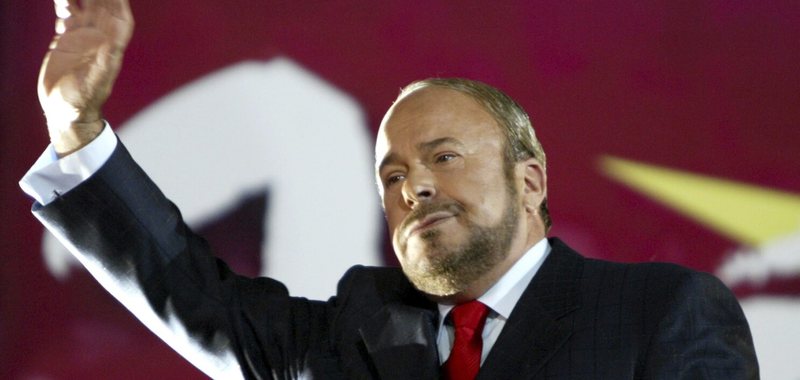
Fatos Nano, the prime minister with a reformist influence on the Albanian economy, passes away
Former Prime Minister of Albania, Fatos Nano, passed away this Friday at the age of 73. He had been hospitalized in a private hospital in Tirana for several......

The impact of "AI" on the education of young people / Experts: It must be used in the right way
"Everything has become simpler with artificial intelligence, but at the same time this also damages the psychological aspect of a young student, or a pupil.......

Shkodër-Gjakovë Railway, with combined financing - 1.8 billion euro project, HSH: Works to start within 2-3 years
"Financing for the construction of the Shkodër - Gjakova railway is expected to be secured through a combination of instruments, including funding from......
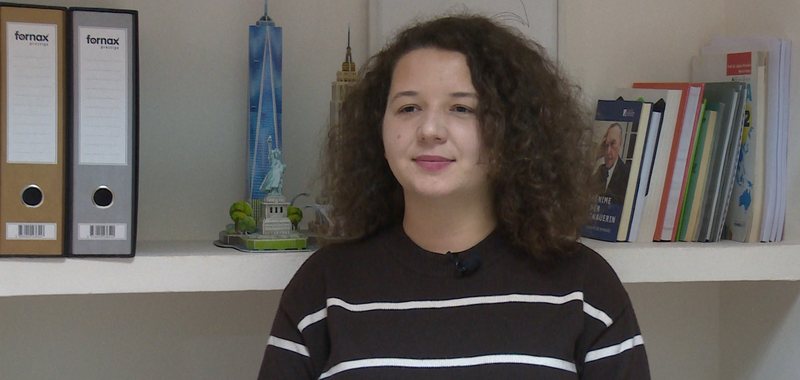
Startups, "hotbeds" of innovation in Albania - Kapo: We can implement a model where corporations produce their own ecosystems
Startups can be key drivers of innovation, employment and economic growth, provided they have sufficient support. Albania has the potential to become an......

6.5 million euros distributed for oil in agriculture - Over 42 thousand farmers receive funding from the subsidy scheme
The Agricultural and Rural Development Agency has so far supported 42,667 farmers across the country with funding, after they were declared winners in the......

Foreigners increased tourism in campsites/ Cheap prices turned Albania into a favorite destination
Albanian tourism is experiencing significant improvements all the time, both in terms of the increase in the number of overnight stays and in the increase in......

New Elbasan–Qafë Thanë/Balluku road: 70% of the works have been completed in phase II
Deputy Prime Minister, Minister of Infrastructure and Energy, Belinda Balluku informed today that 70% of the works on the second phase of the new Elbasan -......

What are the tax exemptions that "resist" until 2029? - From small businesses, to agritourism and 5-star hotels
While the government is conducting a detailed analysis of tax exemptions and levies, where some changes will be reflected in the 2026 fiscal package, some......