RCC: Only 1 in 5 businesses in the Balkans sell online/ Albania ranks above the regional average, but most enterprises remain outside of digital commerce

Despite the increasing use of technology and digital platforms, businesses in the Western Balkans continue to lag behind in online sales and purchases. According to Balkan Barometer 2025 data, only 20% of companies at the regional level declare that they sell products or services via the internet, while the vast majority, 80%, are still not involved in e-commerce.
In this picture, Albania appears to perform relatively better, as 26% of businesses report operating online, a figure higher than the regional average. However, even in Albania, 74% of companies still do not sell or buy products through digital platforms, indicating that the potential for development remains untapped.
Compared to other countries in the region, Serbia leads the list with 27% of businesses active in online commerce, followed by Albania and North Macedonia with 24%. At the other end of the ranking are Bosnia and Herzegovina with only 11%, Kosovo with 13%, and Montenegro with 18%, reflecting significant differences in the level of digitalization of the region's economies.
Factors such as the lack of digital infrastructure, high investment costs, cybersecurity and low levels of trust in online payments continue to hinder the development of e-commerce. Meanwhile, Balkan Barometer data shows that accelerating the digitalization of businesses remains a key element for increasing competitiveness, expanding markets and faster economic integration of the Western Balkans. Balkan 2025 edition survey

2025 a record year for cryptocurrency thefts/ Hackers stole $2.7 billion in several attacks
The year 2025 has ended with an alarming record in the world of cryptocurrencies, as cybercriminals managed to steal around $2.7 billion in digital assets,......
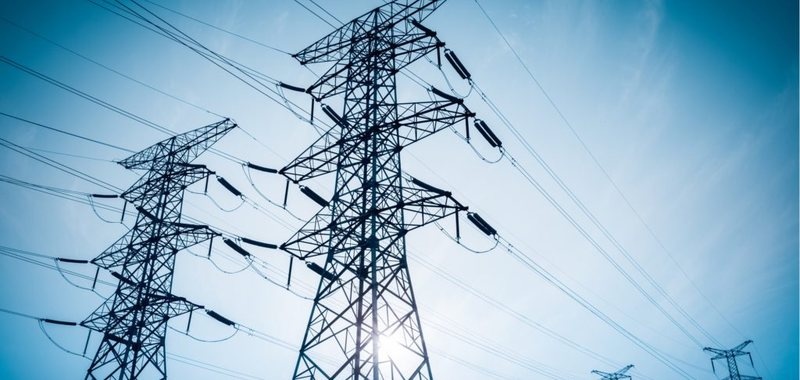
North Macedonia faces an energy crisis / Lack of oil supply from Greece is the cause
North Macedonia's government has declared a seven-day state of emergency over electricity supply due to disruptions in oil supplies from Greece. The measure......
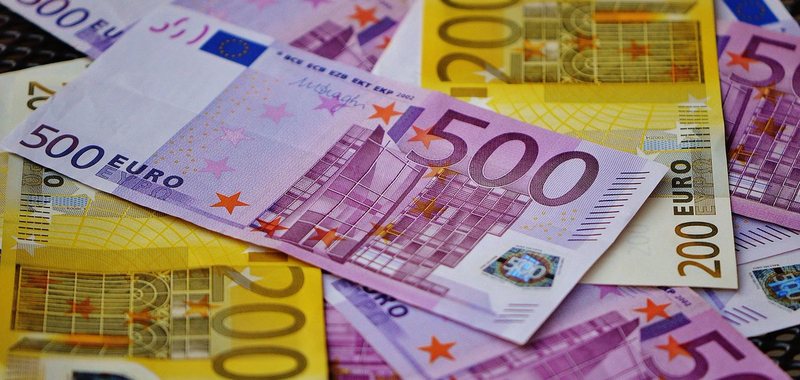
Salary predictions for Europe 2026/ Which countries are expected to have the strongest salary increases?
In Europe, real wage growth is projected to be slightly higher in 2026 compared to 2025. According to the European Central Bank, real wages in the eurozone......

Go East! Poland is a favorite vacation spot in Europe/ Choice for short Christmas and New Year trips
Poland ranks high among Europeans' favorite destinations for short trips over Christmas and New Year this year, according to Travel and Tour World, the......

End of the year in Kosovo, problems with electricity / High load on the network is causing supply disruptions
Preparations for the end-of-year holidays in Kosovo have one more problem: a lack of electricity. KEDS called on citizens on December 22 to save energy......

China approves draft rules on artificial intelligence/ Tightens oversight of AI in interaction with humans
China's cyber regulator on Saturday released draft rules for public comment that will tighten oversight of artificial intelligence services designed to......

Cryptocurrency ownership is on the rise in Europe/ Who is investing the most in cryptoassets and cryptocurrencies?
More than 90% of people aged 18 and over in major European economies are aware of crypto-assets or cryptocurrencies. According to a survey by the European......
Renewable energy development/Self-producers on the rise, but energy communities still lacking
Our country's progress towards self-production and the creation of energy communities is at 75%, according to the annual Energy Community implementation......