The Chief Administrator of AAPSK at the first meeting of the Steering Committee of the project “EU4LawEnforcement in Albania”

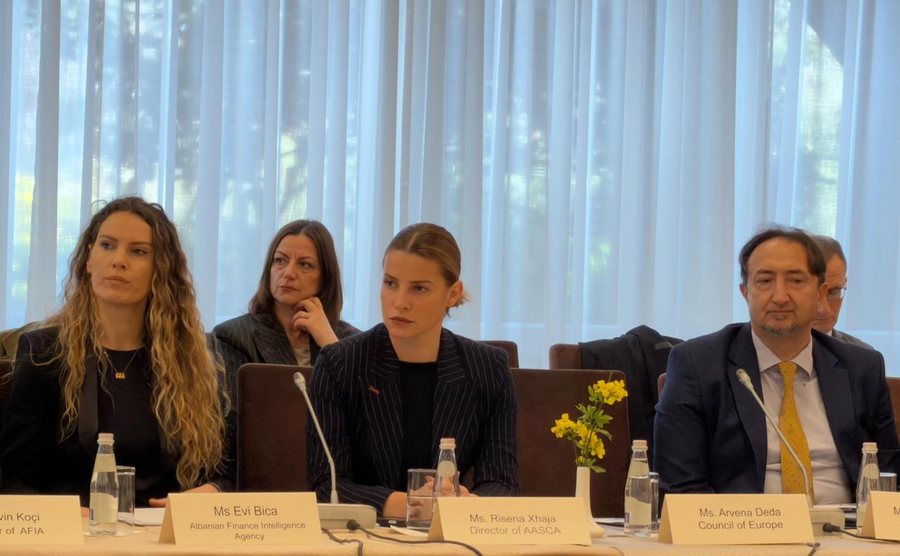
The Chief Administrator of the Agency for the Administration of Sequestered and Confiscated Assets (AAPSK), Risena Xhaja, participated today in the first meeting of the Steering Committee of the project “EU4LawEnforcement in Albania”. At this meeting, the project progress report for the period March 2025 - February 2026, as well as the action plan for the next phase March - October 2026, was presented.
The project “EU4LawEnforcement in Albania” is funded by the European Union with a budget of 9.7 million euros and co-financed by the German Federal Ministry for Economic Cooperation and Development with 500 thousand euros, reaching a total budget of 10.2 million euros. The project is implemented by the Italian Ministry of the Interior, in cooperation with Civipol and GIZ.
The purpose of this initiative is to strengthen the capacities of Albanian law enforcement institutions in the fight against organized crime, corruption and financial crime, as well as to improve inter-institutional and international cooperation, in order to advance Albania in the European integration process.
The participation of AAPSK in this project is particularly important due to the key role that the agency has in the administration and management of assets seized and confiscated from criminal activities, contributing to the strengthening of asset recovery mechanisms and their use in the interest of the state and society.
During discussions in the Steering Committee, the importance of coordination between law enforcement institutions, the prosecution and structures responsible for financial investigations and the management of criminal assets was emphasized, so that the fight against organized crime is as effective as possible and in line with European standards.
AAPSK remains committed to actively contributing to this project, strengthening institutional capacities for the professional and transparent administration of seized and confiscated assets, in accordance with European Union best practices.

Salaries, how much tax will Albanians pay in 2025? - Record level, 529 million euros additional to the budget in 10 years
Albanian citizens have paid 825 million euros in taxes on salaries and income generated from long-term rentals and those through the "Booking" and "AirBnB"......

Support for women's entrepreneurship - Minister Ibrahimaj: 5% bonus on grants for women's startups
The Minister of Economy and Innovation, Delina Ibrahimaj, announces that the 2026 grant call for startups provides for a 5% bonus on the evaluation points......
Albania climbs in global economic freedom rankings/ The country leads the region and several important economies in Europe
Albania is ranked 46th in the world in terms of the index of economic freedom published by the Heritage Foundation. According to this report, our country has......
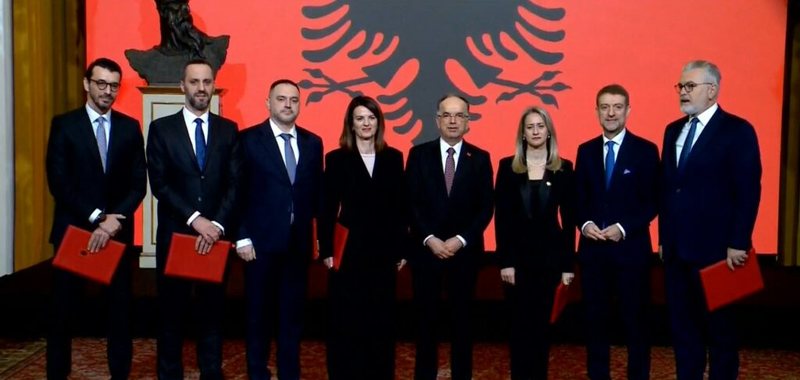
Ministers take oath before the President - 7 new members of the government cabinet officially start work
After receiving a vote of confidence from the Parliament the day before, the seven new cabinet ministers were sworn in on Friday before the President of the......

How did this 'turbulent' week end for the major currencies?
The US dollar, although it has not experienced significant fluctuations in value compared to the previous day, has closed this week negatively, being bought......
Global economy "dependent" on Hormuz - Around 25 billion USD worth of goods blocked in the strait
The US-Israeli military attack on Iran has disrupted commercial shipping in the Persian Gulf, a key source of fuel and petroleum products. The disruption......
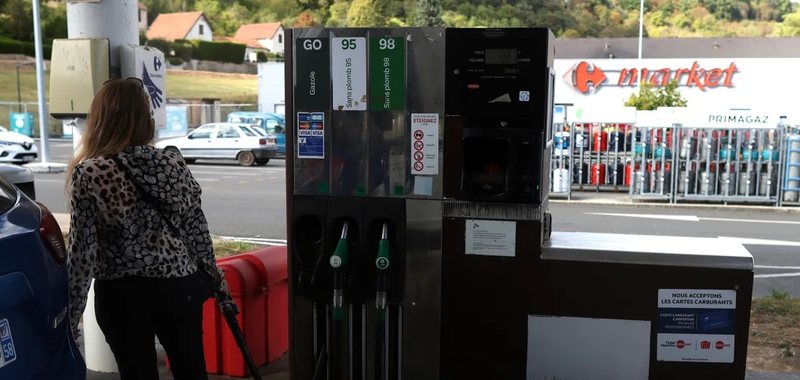
Italy cannot stop price increases - Gasoline has exceeded 1.7 euros per liter, while oil is at March 2024 levels
Fuel prices in Italy have continued to rise. The average price of gasoline reached 1,724 euros per liter in cities, compared to 1,672 euros on Monday, and......
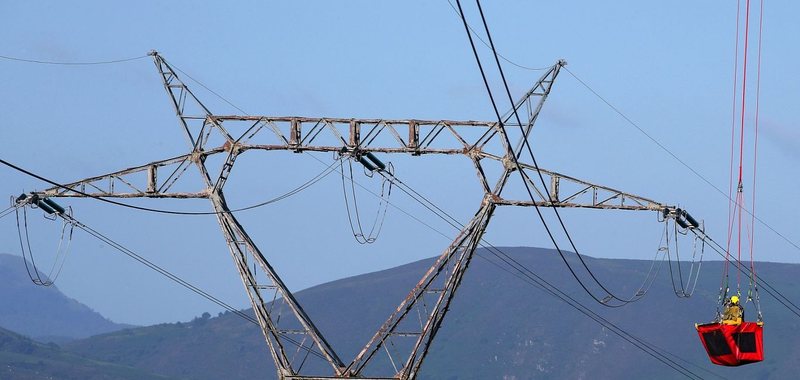
Which European country is most affected by the conflict? - Greece, Cyprus, Poland, Bulgaria, most affected by an energy crisis
The economic, fiscal, political and credit impacts of the war in the Middle East will depend on the duration and severity of the conflict, the extent to......