Artificial intelligence is regulated by law/ Draft of the National Artificial Intelligence Agency, rules for the development of systems. Prohibited practices


For the first time, our country will have a specific legal framework for artificial intelligence, as the National Agency for the Information Society has issued a draft law for public consultation. The initiative aims to create rules for the development, market deployment and use of artificial intelligence systems, while establishing guarantees for the protection of citizens, fundamental rights and personal data.
One of the key elements of the draft is the classification of artificial intelligence systems according to their risk level. For high-risk systems, additional obligations are foreseen regarding risk management, data quality, technical documentation, transparency and human oversight.
The draft law also prohibits a number of practices considered unacceptable. These include systems that manipulate the behavior of individuals, those that exploit people's weaknesses due to age or social status, systems of social rating of citizens, as well as the creation of facial recognition databases through the massive collection of images from the internet or security cameras.
Another important aspect relates to content created by artificial intelligence. The draft law defines the concepts of "deep fake" and "synthetic content", laying the foundations for regulating their use and increasing transparency for citizens.
At the institutional level, the draft defines the NAAI as the coordinating authority for artificial intelligence, while the implementation and supervision of the law will also include the market surveillance authority, the notification authority, and the Commissioner for the Right to Information and Personal Data Protection.
According to the accompanying report, the lack of a dedicated legal framework for artificial intelligence currently creates legal uncertainty for economic operators and public institutions, while the rapid development of new technologies requires clear standards for security, transparency and the protection of fundamental rights.

"We will comply with EU requirements"/ Temu Company reacts after 200 million euro fine
A day earlier, the European Commission imposed a €200 million fine on Chinese online retailer Temu for failing to stop the sale of illegal products. Further......
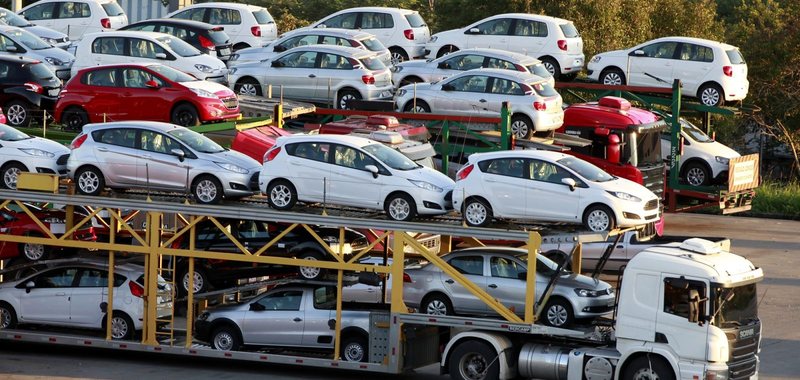
South Korea leads vehicle imports in Albania/ January-April, almost 50% of new cars registered are electric
The General Directorate of Road Transport Services has published data on the countries of origin of vehicles registered in Albania. According to the......

Tourism and construction, the "engines" of lending/ Trade remains the sector most financed by banks, despite the decline
New business credit continued to grow at a strong pace in April 2026, supported mainly by the tourism sector, the manufacturing industry, and real......
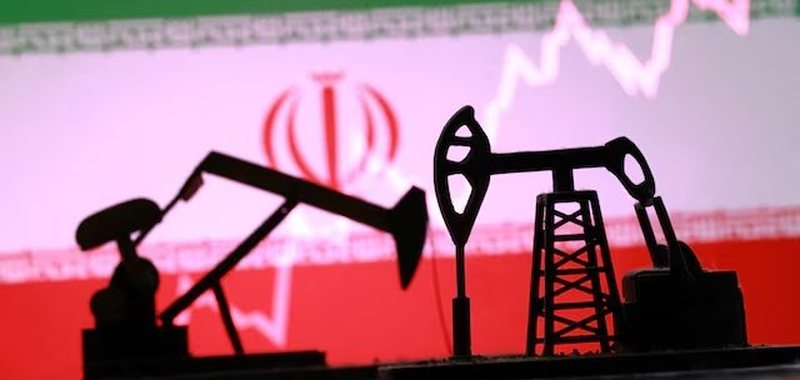
US-Iran ceasefire agreement/Oil price drops over 1% after reports
Oil futures fell more than 1% on Friday after reports that the U.S. and Iran had reached a possible deal to extend a ceasefire. Brent crude futures for July......
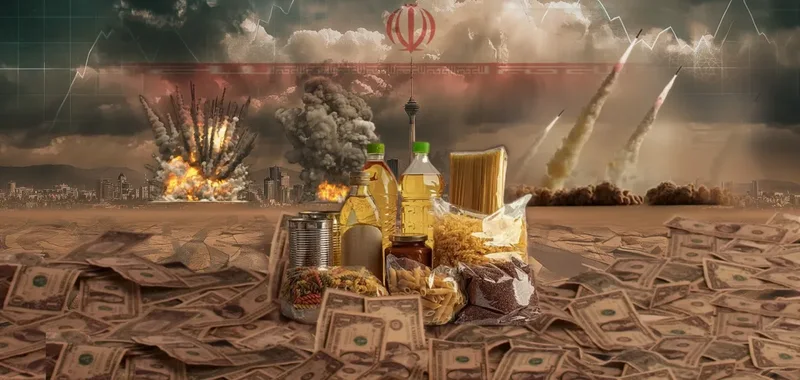
"Agrifood shock and price crisis"/ FAO warns countries about closing Hormuz
The closure of the Strait of Hormuz is the beginning of a "systemic agro-food shock" that could trigger a severe global food price crisis within six to 12......
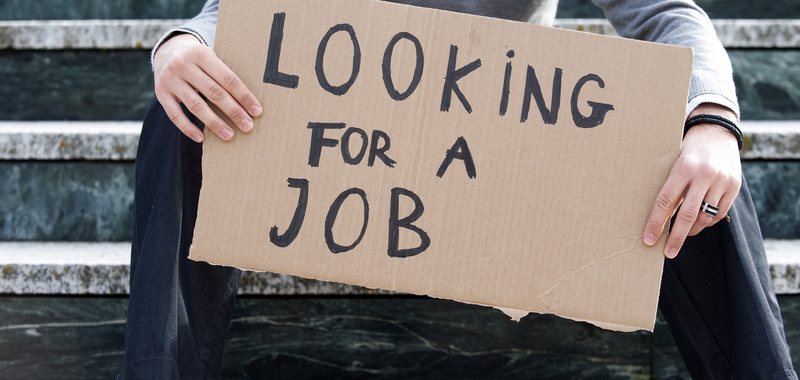
The risk of a "lost generation"/ Shocking report in Britain, 1.25 million young people out of work and education in 5 years
The UK's youth unemployment rate, which has risen sharply in recent years, will continue to rise unless action is taken, increasing the risk of a "lost......
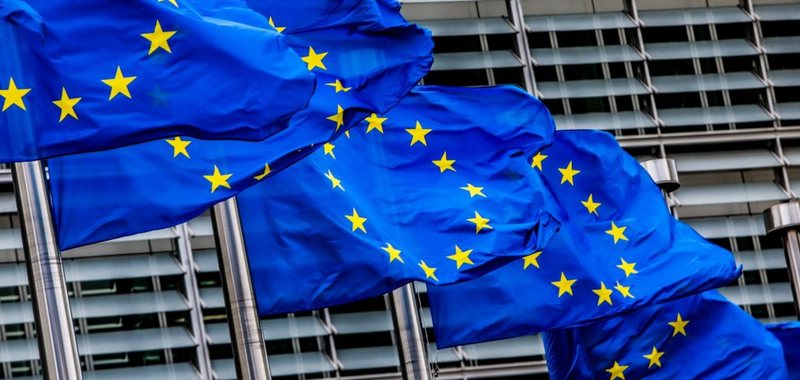
EU like Wall Street? Six countries reach agreement on major markets package
The EU's six largest countries have reached an agreement to move forward with a plan to transform the bloc into a Wall Street-style financial market. The......
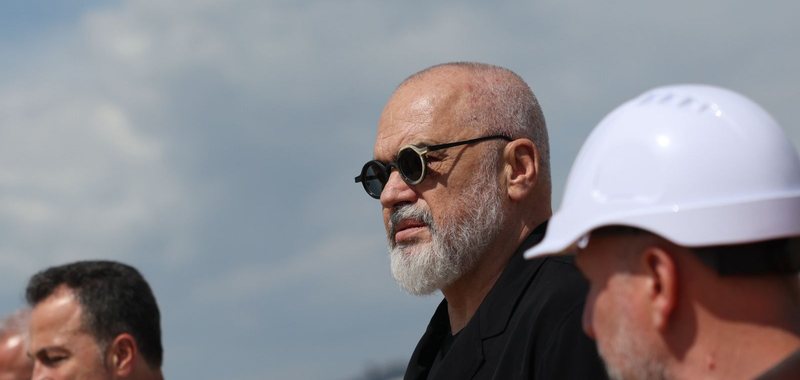
Korça, works continue at the construction site of the "Festivals and Creative Industry Pole" with an area of 18 ha
The “Festivals and Creative Industry Pole” is taking shape in the city of Korça, a new project with a direct impact on the cultural, touristic and economic......