Ibrahimaj: Strengthening protection mechanisms against natural disasters, a priority for economic and fiscal stability

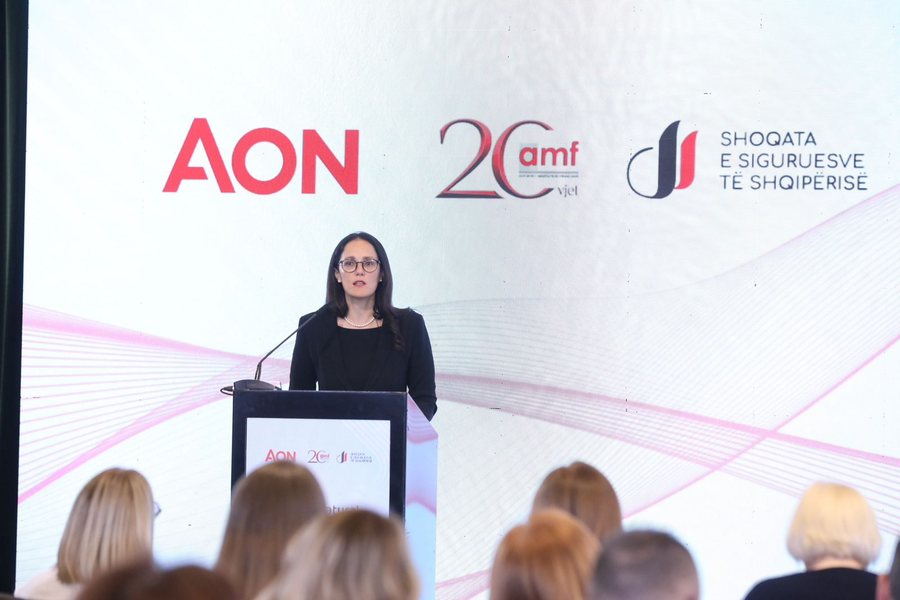
The Minister of Economy and Innovation, Delina Ibrahimaj, participated today in the forum on "Natural Disaster Risk, Resilience and Fiscal Stability", organized by the Financial Supervisory Authority, in Tirana.
The forum brought together representatives of financial institutions, regulatory authorities, the insurance industry, the banking sector and international experts to discuss exposure to natural disasters, risk management and strengthening economic resilience and fiscal stability mechanisms.
In her speech, Ibrahimaj emphasized that natural disasters should be treated as risks that directly affect not only the lives of citizens, but also the economic well-being and long-term stability of the country. The Minister recalled the consequences of the 2019 earthquake, as well as the recurring phenomena of floods and fires, which are becoming increasingly frequent.
The Minister underlined that the Albanian government has established a technical group, led by the Ministry of Finance, for several years to draft a law on natural disaster management, with a special focus on earthquakes and floods. According to the Minister, the discussions and recommendations emerging from the forum will provide an important contribution to building legal and institutional mechanisms to cope with these risks.
Referring to World Bank assessments, she stressed that Albania remains among the countries most exposed to natural disasters in Europe, with around 86% of the territory and over 88% of the population at risk from these phenomena. She also brought to attention the high cost of the 2019 earthquake for public finances, which amounted to around 1 billion euros, highlighting the need for sustainable protection mechanisms and preventive financial instruments.
The Minister raised concerns about the very low level of insurance of homes and businesses against earthquakes and floods, emphasizing that the insurance culture in the country still remains limited. In this context, Ibrahimaj assessed as essential the drafting and approval of legislation on mandatory insurance against natural disasters.
"We should not focus only on short-term or medium-term policies. Governments should build long-term policies that guarantee economic stability, fiscal security and sustainability for the country," the minister said.
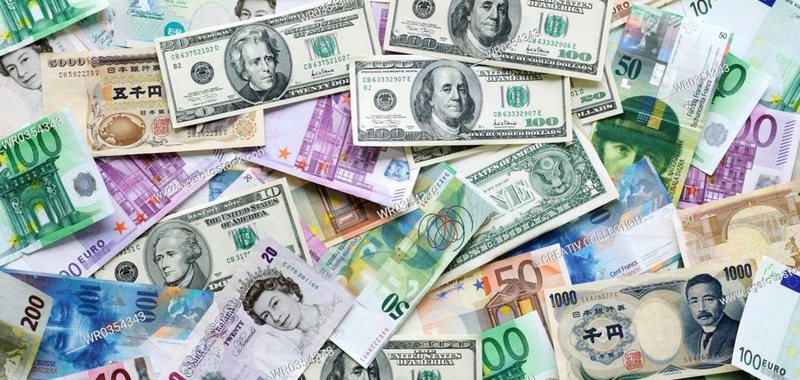
How much are the major currencies being exchanged today?
The US dollar has registered a slight increase in value this morning after strengthening somewhat compared to yesterday, being bought at 80.9 lek and being......

Interest in modern vehicles increases / January-April, new vehicle registrations in Albania increase by 62%
The General Directorate of Road Transport Services announces that there has been a significant increase in the registration of latest generation......
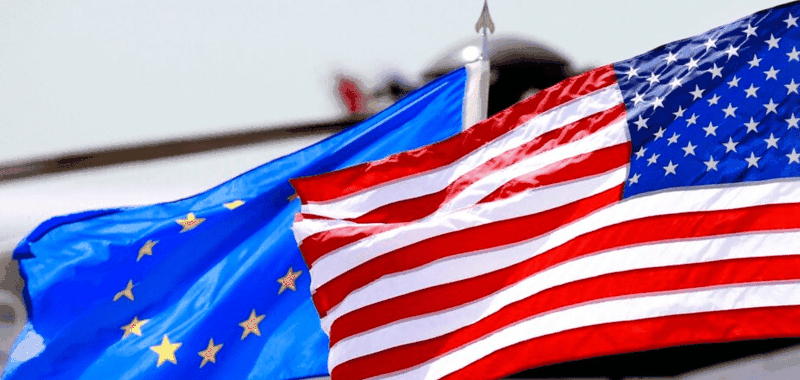
Europeans have their eyes on autonomy - Significant decline in support for the US
Europe and the United States appear to be drifting apart after decades of close cooperation, with nearly three in four European Union citizens saying the......
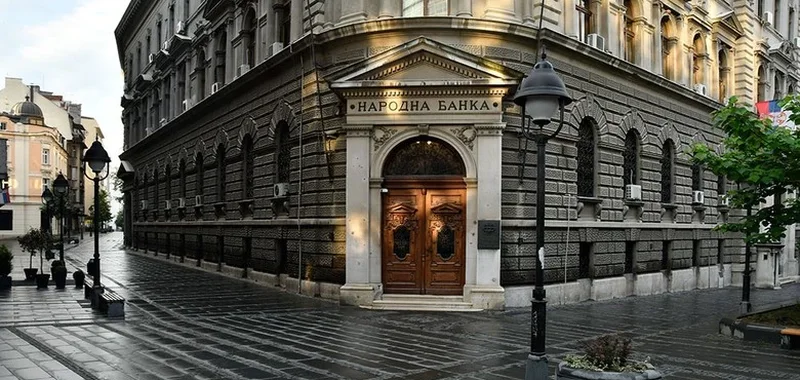
Serbia's Central Bank lowers forecasts - Economy expected to grow by 3% this year. Reason, impact of conflict in Iran
The Central Bank of Serbia (NBS) has lowered the country's economic growth forecast for both 2026 and 2027 due to the further escalation of geopolitical......
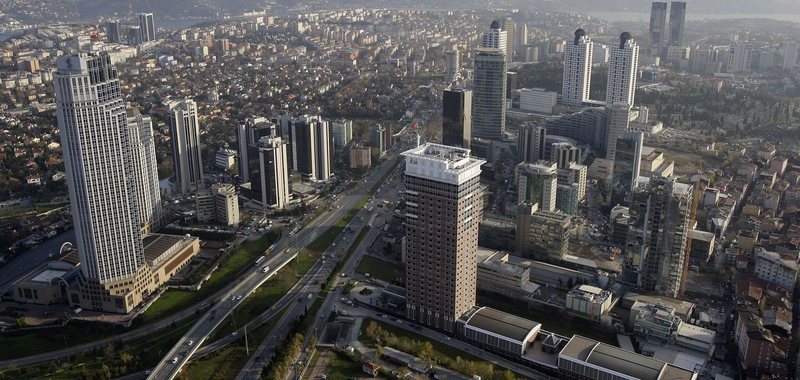
Turkey, suddenly an "island" of stability? - Huge tax cuts and economic incentives to attract investment
As a result of the war in Iran, uncertainty prevails around the world. Many countries fear prolonged inflation and a lack of resources. While the Gulf......
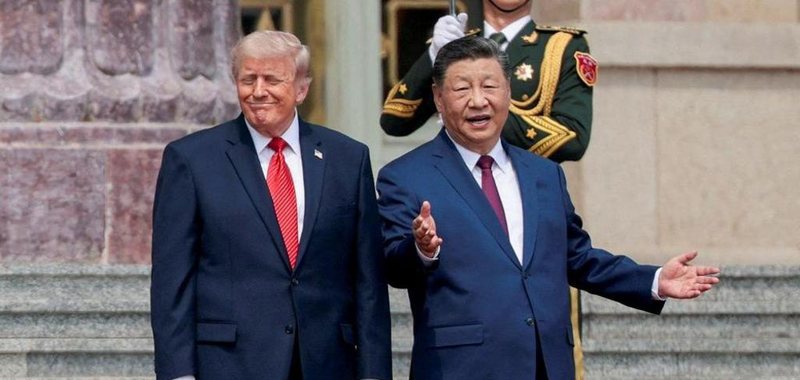
Two-day Xi Jinping-Trump meeting begins/Economic cooperation, at the center. Taiwan, a hot topic
Chinese President Xi Jinping told his U.S. counterpart Donald Trump that trade talks were making progress at the start of a two-day summit on Thursday, but......

Over 2 thousand new businesses opened in April - 12% more than in 2025, self-employed dominate
Over 2,000 new businesses opened in Albania in April 2026, marking a 12% increase compared to April 2025. According to data from the National Business......

DPT: Businesses and institutions must implement cashless payments with POS/POI by May 30
The General Directorate of Taxes has reminded that there are still 17 days left from the legal deadline for fulfilling the obligation to accept cashless......