Spain and Italy, at maximum tourist capacity - Growth driven mainly by international clients


Spain and Italy are reaching their maximum tourist capacity. The risk is that in the coming years, Turkey and Egypt will benefit. The alarm was raised just before mid-August by the CEO of TUI, the largest global travel group headquartered in Germany.
Data for 2024 show that the European Union exceeded 3 billion nights spent in tourism, a new historical record. Spain, Italy and France reached a total of approximately 500, 458 and 451 million nights in accommodation structures, confirming the concentration of demand in the main tourism economies of Southern and Western Europe. European growth was mainly driven by international customers.
The result is that the Mediterranean has fully recovered from the shock of the pandemic, albeit unevenly: for example, Southern Europe has exceeded 2019 levels, Turkey has increased its share. Morocco has set national records. Tunisia and Albania have recovered rapidly, while Israel has suffered a tremendous contraction due to the war.
If we move from the view of two years ago to today, we see that trends are on the rise and that, in essence, the Mediterranean is entering a new phase of tourism. Competition is no longer just about the ability to attract people. It is about the ability to select, distribute and manage flows.
Rome, even today, has the most impressive demand and the most extensive assets. However, Istanbul has an intercontinental scale. Antalya has the most industrialized system of coastal resorts. Venice and Dubrovnik demonstrate the cost of a demand disproportionate to the resident population.
In Croatia, accommodations booked through major platforms generated approximately 37.7 million overnight stays in 2024. These data show that platforms like AirBnB are no longer a marginal component, but a cornerstone of the Mediterranean's accommodation capacity.
Competition is certainly healthy, but countries like Spain and Italy should start considering Turkey and Egypt as places capable of replacing traditional Western destinations. Newer infrastructure and more efficient connections can attract more than just monumental beauty. Therefore, TUI's warning should not be underestimated.
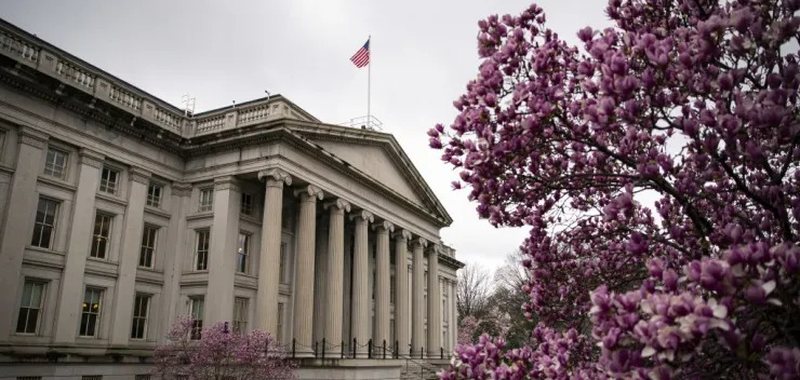
US debt exceeds $40 trillion for the first time - First warnings that a new fiscal crisis is beginning
Total U.S. debt has surpassed $40 trillion for the first time, the Treasury Department said, prompting fresh warnings that a fiscal crisis is brewing as......

Skin cancer vaccine discovered - Moderna and Merck successful test against melanoma
Success with a personalized cancer vaccine designed to keep melanoma at bay opens up a new treatment avenue that doctors hope will work against many types of......

Russians withdraw billions from banks - Fears grow that the Kremlin will seize war savings
Russians withdrew some 24.4 billion euros from the country's banking system in the first seven months of this year. Ukrainian drone attacks on oil refineries......

How does VAT compensation affect farmers? - Guri: Increased formality, more traceability for products
Nearly 15 million euros in total are expected to be distributed to farmers in the form of 10 percent VAT compensation for sales invoices for agricultural......

Energy poverty, not just financial compensation - Housing support, Sauku: Investments that reduce costs and increase quality of life
Thermal insulation of homes, replacement of doors and windows, energy-efficient equipment or more efficient heating systems. These are some of the......

Interest rates favor savings in lek - BoA: Deposits in local currency increase by 13.5%. Time deposits exceed half of the total
Albanians' savings in banks are growing, while interest rates are playing an increasingly important role in how citizens choose to hold their money. Bank of......

Culture under the "magnifying glass" of prices/ Books became more expensive. Musical instruments suffered a decline
The level and structure of prices of goods and services are among the main factors affecting household spending. In this context, the Harmonized Index of......

Women live longer, but in poorer health - WHO: More years with chronic disease and disability
Women's health beyond their reproductive years is receiving increasing attention in European health policies and analyses. A World Health Organization......