Germany decides to cut fuel prices - Government approves 1.6 billion euro package to cope with energy crisis

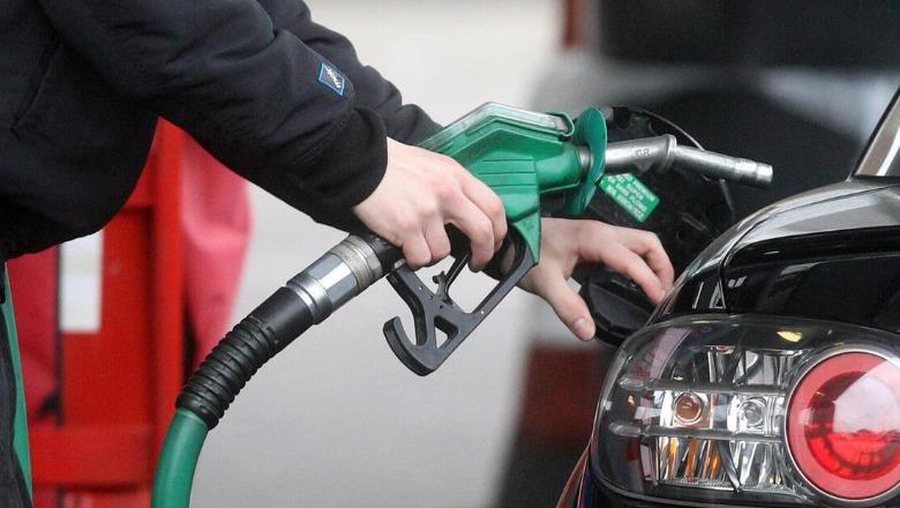
The German government has decided on fuel price relief for consumers and businesses, through a package worth 1.6 billion euros, ending a debate over how to respond to a rise in oil prices due to the war in Iran.
The energy tax on diesel and gasoline will be reduced by around 0.17 euros per liter for two months, the conservative CDU party and its center-left SPD coalition partners said on Monday.
The Iran war has caused the largest disruption to global energy supplies, and a planned US blockade of Iranian ports and coastal areas is further driving up crude oil prices.
"This war is the real cause of the problems we are experiencing in our country as well," Chancellor Friedrich Merz told a news conference. He added that the coalition was doing everything it could to address the problems caused by the war.
The ruling coalition also agreed to allow companies to pay a relief bonus of 1,000 euros to each employee, excluding payroll taxes and social security fees.
In talks over the weekend, the partners appeared to have calmed a debate that erupted on Friday when the Economy Minister, an ally of Merz's party, criticized measures suggested by the Social Democrat Finance Minister, focused on a special tax on oil companies' windfall profits.
The government was under pressure to act because Europe's largest economy was already facing weak growth and rising global tariffs.
On Monday, Merz said Germany opposes a planned 2027 tightening of European Union CO2 taxes on hybrid vehicles and would argue in Brussels for a more "technology-friendly" approach, including recognition of cars with renewable fuels.
The government is also preparing a broader income tax reform for low- and middle-income groups from January 2027.
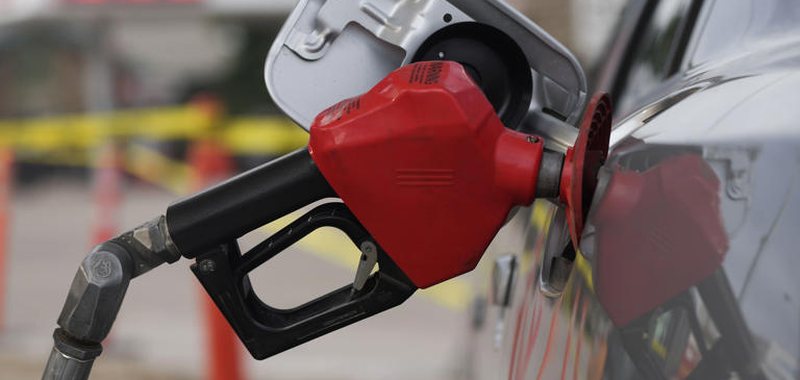
Ireland, measures to reduce fuel prices - Decision, after protests and road and port blockades
Irish police removed tractors and trucks that had blocked traffic and oil infrastructure across the country during a wave of protests against rising fuel......
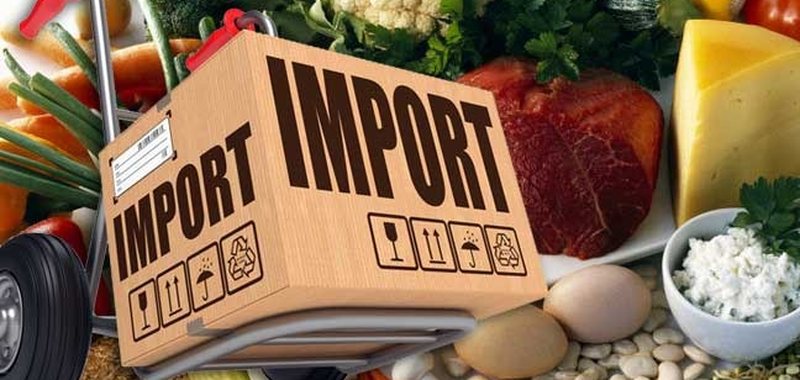
What are the main imported goods that "supply" the budget? - Fuel and cigarettes lead the list. Used vehicles bring in 97 million euros
Imports continue to be one of the main pillars of revenue in the state budget, reflecting not only the structure of consumption in the country, but also the......
How much does each Albanian get from the "savings" of the economy? About 18% of what is produced in a year is not used for final consumption
According to World Bank data, Albania saves about 18.1% of its Gross Domestic Product. “Economic saving” is the portion of what a country produces that is......
What has happened to businesses in 5 years? - Foreign capital dominates from Italy, followed by Kosovo and Greece
Entrepreneurship in Albania is gaining ground. The number of new businesses in Albania has increased significantly in recent years. According to data for the......
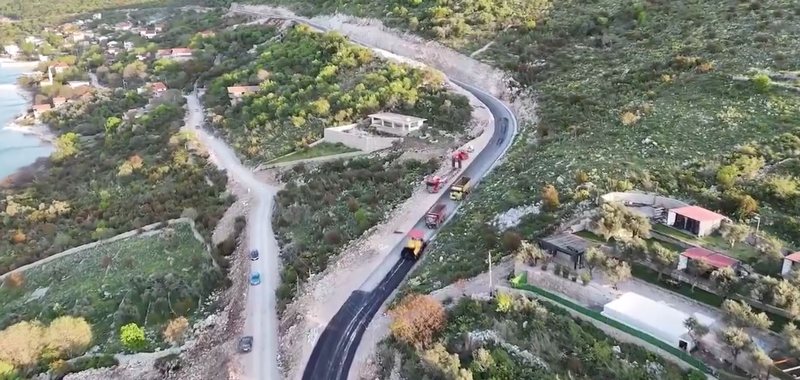
Shiroka-Zogaj axis ends in mid-May - Koçiu: Traffic will be eased, important investment for tourism
Deputy Prime Minister Albana Koçiu and Minister of Infrastructure and Energy, Enea Karakaçi inspected the works on the Shiroka - Zogaj segment, a new axis that......
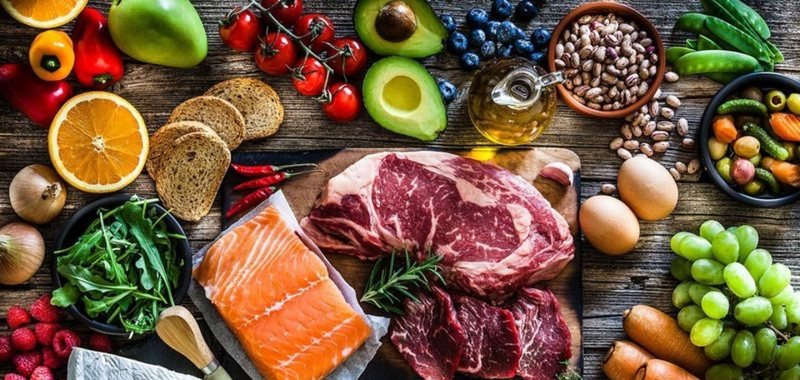
Food self-sufficiency, where does Albania rank? The country covers 4 out of 7 categories. It ranks second in the region
Food security and domestic production remain key elements for guaranteeing the basic needs of the population. According to a study published by the......

How has this week started for foreign currencies?
The US dollar, although it has lost points during this period, has started the week positively, registering a slight increase in its value compared to last......
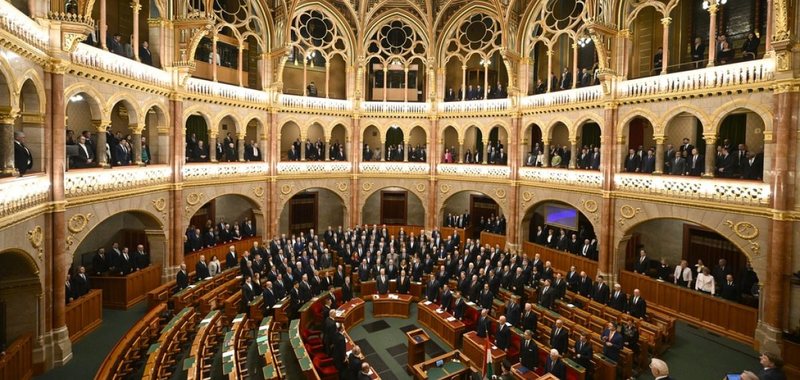
Hungarian opposition's landslide victory - Reforms and thawing of relations with the EU are announced
Peter Magyar's landslide victory in Sunday's Hungarian election has given his center-right Tisza party a sweeping mandate to enact reforms, strengthen the......