How much does each Albanian get from the "savings" of the economy? About 18% of what is produced in a year is not used for final consumption

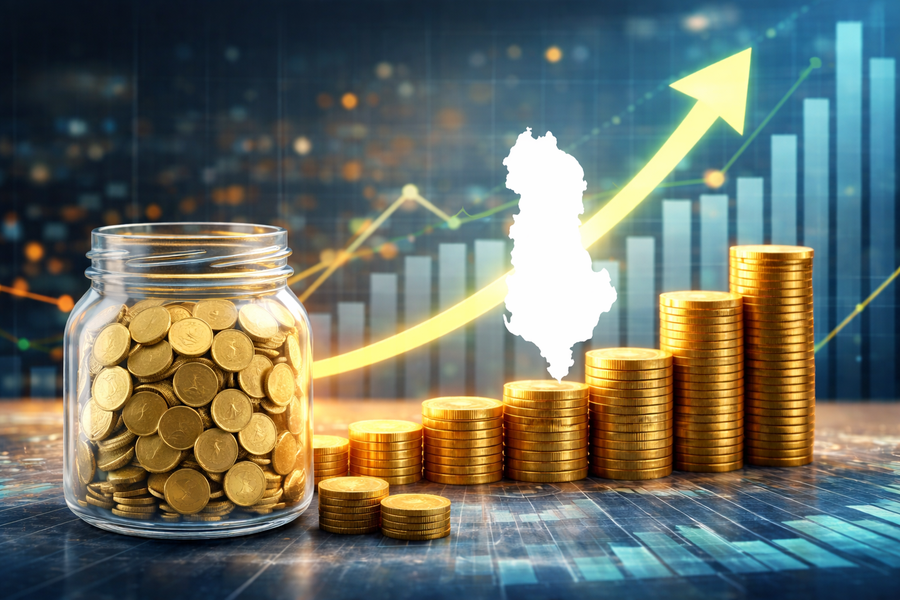
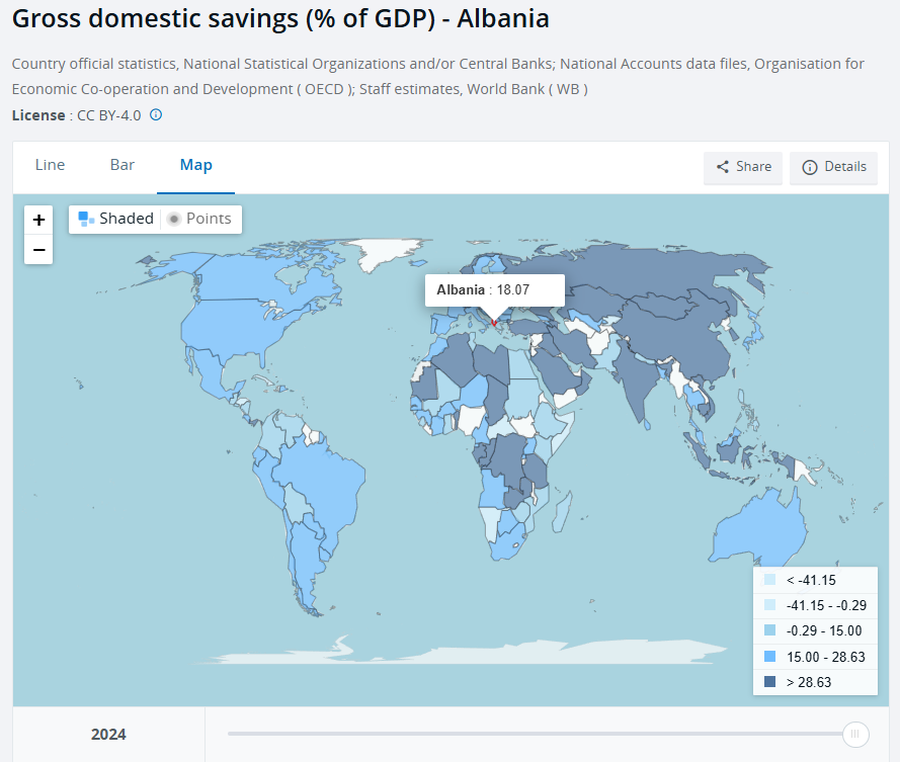
According to World Bank data, Albania saves about 18.1% of its Gross Domestic Product. “Economic saving” is the portion of what a country produces that is not immediately spent on consumption. The World Bank calculates this amount by subtracting all final consumption expenditures from the economy’s total output, i.e. GDP. What remains is called gross domestic saving.
Referring to calculations, this figure translated into concrete value amounts to approximately 4.7 billion euros.
The figure of 18.1% reported by the World Bank is in line with calculations based on official INSTAT data. According to the latest data we have on the value of GDP in our country, the Albanian economy has produced around 26.2 billion euros, while around 21.5 billion euros have been used for final consumption. The difference between them amounts to around 4.7 billion euros, or 18%. This is what is called gross domestic saving in national accounts.
Simply put, out of every 100 euros that the Albanian economy produces, about 82 euros are spent, while about 18 euros remain outside final consumption. This is precisely the part that translates into a rate of 18.1%.
The figure becomes even more understandable when theoretically divided by population. In this case, it turns out that the Albanian economy saves an average of about 1,970 euros per inhabitant per year, or about 164 euros per inhabitant per month. Of course, this does not mean that every citizen actually has this money saved, but this is just one way to understand the weight of the amount at the national level.
If divided differently, it turns out that the Albanian economy saves about 12.8 million euros per day. So, in economic terms, every day an amount exceeding 12 million euros remains outside consumption. This makes the figure of 4.7 billion euros, which otherwise may seem abstract to the public, even more tangible.
The structure of the economy itself shows why this figure is of interest. Final consumption accounts for the vast majority of GDP, around 81.93%, which shows that the Albanian economy relies heavily on spending. On the other hand, the part that is not consumed immediately remains limited, but still considerable in absolute value.
Compared to other countries in the region, Albania ranks among the economies with a relatively high level of savings. With a rate of 18.1% of GDP, Albania stands above Bosnia and Herzegovina, which registers 11.1%, as well as above North Macedonia with 17.6%. It also leaves Montenegro and Kosovo behind by a significant margin, where the economy's savings are significantly lower, at 3.4% and 3.7%, respectively. However, Albania still remains below Serbia, which records the highest level in the region with 20.5%.
What has happened to businesses in 5 years? - Foreign capital dominates from Italy, followed by Kosovo and Greece
Entrepreneurship in Albania is gaining ground. The number of new businesses in Albania has increased significantly in recent years. According to data for the......
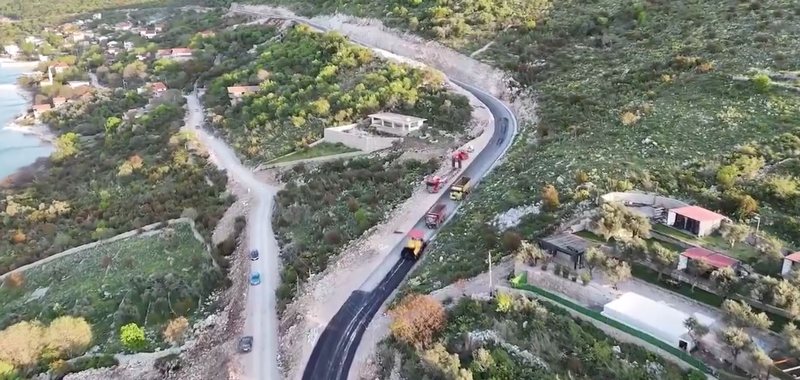
Shiroka-Zogaj axis ends in mid-May - Koçiu: Traffic will be eased, important investment for tourism
Deputy Prime Minister Albana Koçiu and Minister of Infrastructure and Energy, Enea Karakaçi inspected the works on the Shiroka - Zogaj segment, a new axis that......
Food self-sufficiency, where does Albania rank? The country covers 4 out of 7 categories. It ranks second in the region
Food security and domestic production remain key elements for guaranteeing the basic needs of the population. According to a study published by the......

How has this week started for foreign currencies?
The US dollar, although it has lost points during this period, has started the week positively, registering a slight increase in its value compared to last......
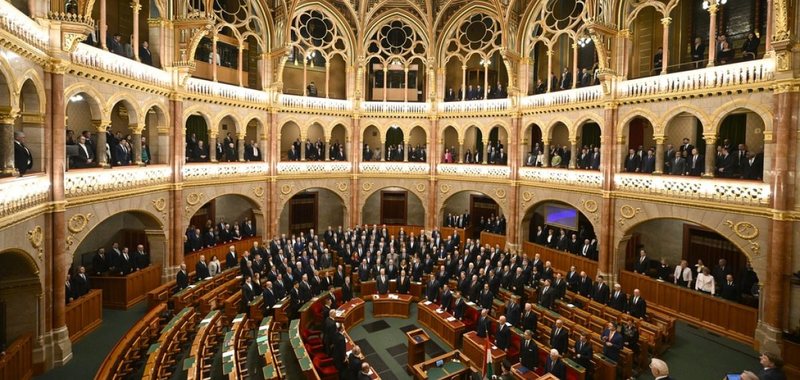
Hungarian opposition's landslide victory - Reforms and thawing of relations with the EU are announced
Peter Magyar's landslide victory in Sunday's Hungarian election has given his center-right Tisza party a sweeping mandate to enact reforms, strengthen the......
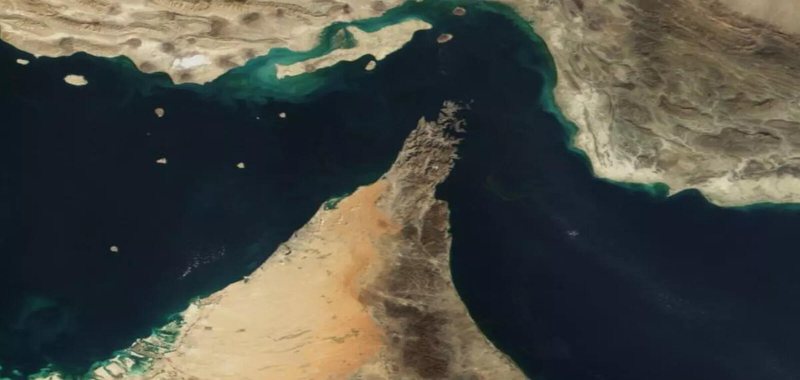
US blockade of Hormuz expected - Markets react, with oil exceeding 100 USD/barrel
Oil prices rose above $100 a barrel on Monday as the US Navy prepared to block ships to and from Iran through the Strait of Hormuz, a move that could limit......
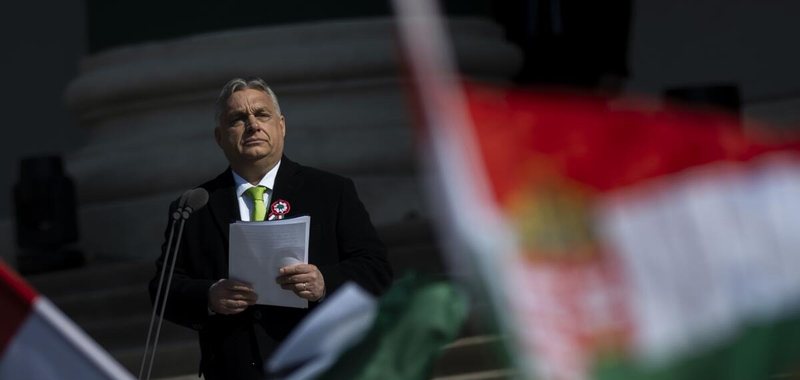
Orban defeated by center-right opposition - Peter Magyar wins over 2/3 of seats in parliament
Hungary's veteran nationalist leader, Viktor Orban, lost power to the new center-right Tisza party in Sunday's national election after 16 years in......
Britons turn to green energy - Seeking to avoid rising bills
British households are turning to green energy investments at home in record numbers in a bid to keep bills low as the Iran crisis pushes up global oil and......