Germany, Christmas markets are expensive - Security costs have increased by 44% over the last 3 years

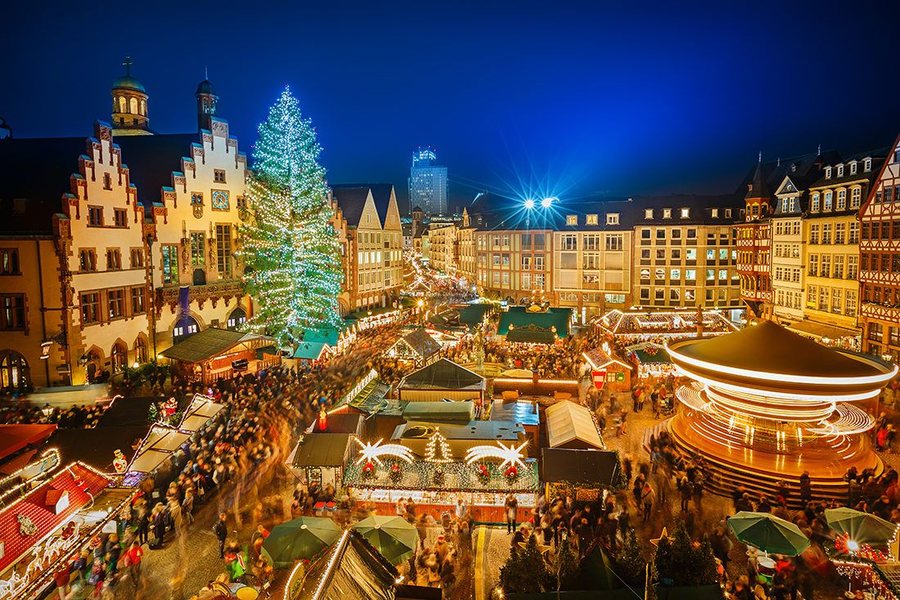
Germany's Christmas markets, which attract many tourists and support local economies, are facing high security costs after a series of attacks. A national survey by the Federal Association for Town and Country Marketing found that costs for public events, including Christmas markets, have increased by an average of 44% over the past three years.
Security was tightened after a 2016 incident in which an Islamist terrorist rammed a truck into a market in Berlin. The deadly attack in the eastern city of Magdeburg last December has reignited concerns about security at the centuries-old event. Authorities said the gunman used emergency exits to enter the market, killing more than 200 people in a three-minute rampage.
“The requirements have become increasingly strict,” said a sector expert in Berlin, who has added large concrete barriers, entrance checks, video surveillance and trained security personnel.
The Interior Ministry has acknowledged the concerns. “Due to the high number of visitors, prime location and open access, Christmas markets taking place across the country pose a particular risk,” official sources explained.
Although cities usually receive subsidies from their budgets to cover the costs of organizing the markets, smaller municipalities and private organizers often cover the costs themselves. Local authorities are demanding that the 16 federal states take on the financial burden, arguing that this constitutes a fight against terrorism and does not fall within their competence.
Chancellor Friedrich Merz said last week that the federal government could not offer support, as it was the responsibility of state police forces, but added that he was following the matter carefully.
Business loan portfolio in "stagnation"/ Very slight monthly growth, despite the positive annual trend
In recent months, the Albanian economy has experienced a significant increase in total credit, reflecting a stable development and increased confidence in......
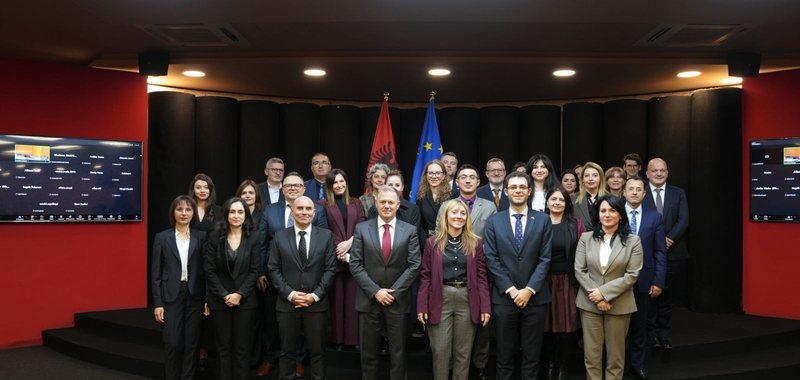
Albania holds the 16th Meeting of the EU-Albania Subcommittee on Trade, Industry, Customs and Taxation
The 16th Meeting of the EU-Albania Subcommittee on Trade, Industry, Customs and Taxation, an important mechanism in the process of assessing Albania's......
286 billion lek was withdrawn from ATMs in 9 months - Limited number of ATMs that also include the money deposit service
ATMs in Albania are increasing, while their use by citizens to withdraw or deposit money has also increased in the first nine months of this......
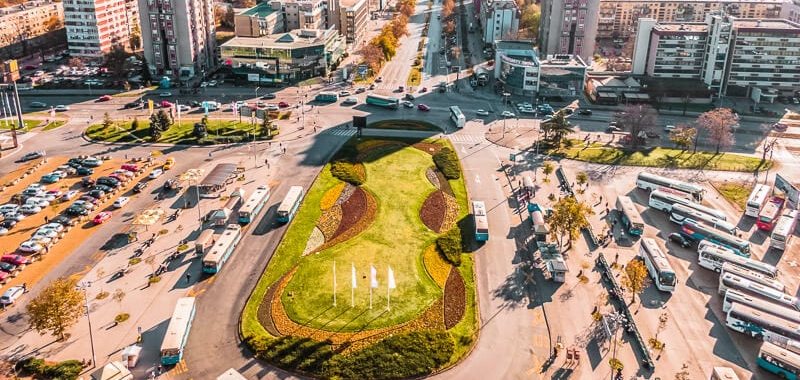
“The crisis of state-owned enterprises threatens the Serbian economy” - World Bank calls for reforms to increase the efficiency of public finances
Serbia needs to address fiscal risks posed by its large state-owned enterprise sector to ensure long-term fiscal sustainability and unlock economic growth......

AI will eliminate up to 3 million jobs in Britain - Many positions risk "disappearing" by 2035
Up to 3 million low-skilled jobs could disappear in the UK by 2035, due to automation and artificial intelligence. According to the National Foundation for......
"Black Friday", businesses "start" their engines/ Around 25 thousand active ads on social networks
Black Friday, or known in Albanian as E premëtja e zëzë, has become one of the most important days of the year for both consumers and businesses. What once......
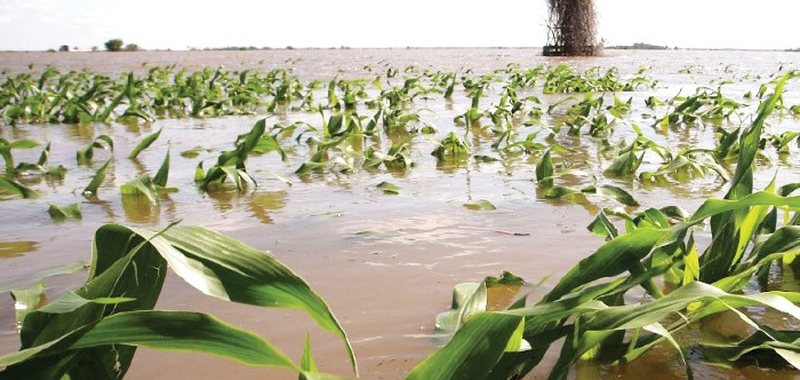
How much does flood protection cost? - $115 million per year to "save" until 2031
Farmers, citizens, and businesses are facing significant economic damage this year due to flooding in several municipalities across the country, as a result......

Britain increases minimum wage by 4.1% - Over 2.7 million workers benefit. Businesses warn of price hikes
The UK government announced that the minimum wage will rise by 4.1% to £12.71 an hour from April next year, to bring it in line with the average wage,......