Families in Europe, "drowned" in debt - The wealthy north leads, not the fragile economies of the south

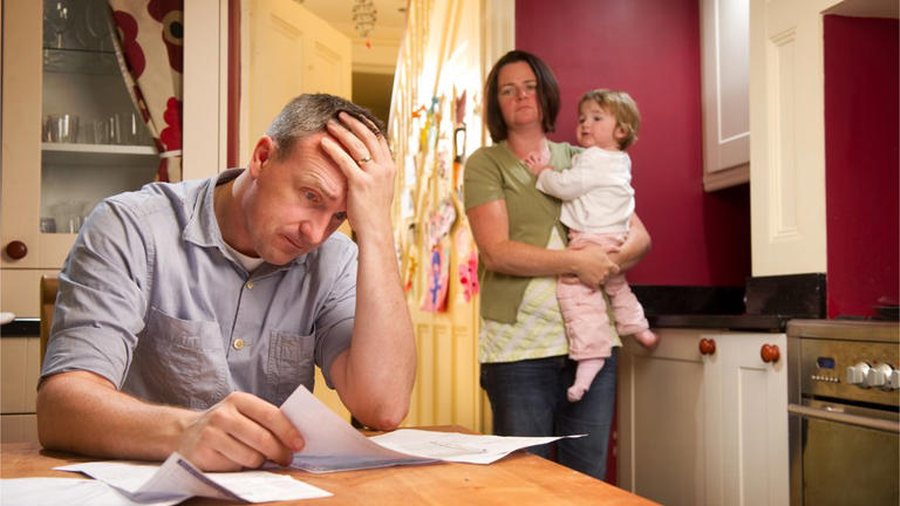
The most indebted households in the European Union are found in the wealthy north, not in the southern economies that are usually known as the most fragile. In 2025, household debt in the EU was 49.4% of Gross Domestic Product and 50.7% in the eurozone as a whole, according to figures published by Eurostat. This is a downward trend compared to 2020, when debt was above 60% in both areas.
Household debt includes obligations such as mortgages, consumer loans and other borrowing. The index does not show how much debt each household has, but rather provides a general picture of how dependent households are on national income. A level of 50% means that household borrowing is equal to half of everything the country produces in a year.
Countries with developed real estate markets, high levels of home ownership, debt-financed households, or sophisticated financial systems often exhibit high debt ratios. Perhaps the most surprising finding of this study is the north-south divide in Europe. Seven EU countries have household debt exceeding 55% of GDP, and each of these countries is located in northern or western Europe. On the other hand, southern Europe, which has been linked to sovereign debt crises in the past, has relatively modest household debt.
Italian households have a debt equivalent to 35.9% of GDP, compared to 38% in Greece and 42.9% in Spain, placing all three well below the EU average.
The Netherlands comes in first place, with household debt at 93.5% of GDP. Dutch mortgage debt is so high “because the government has made it very attractive to borrow money to buy a house.” Nordic countries Denmark, Sweden and Finland follow with 84.1%, 82.3% and 62.9% respectively. Households in Luxembourg, France, Belgium, Cyprus and Portugal also have debt above the EU average, which ranges from 54%-60%.
Meanwhile, households in Germany, Europe's largest economy, have debt levels close to the EU average, at 49%. One reason may be the extremely low home ownership rate, just 46.7% in 2022, among the lowest in Europe.
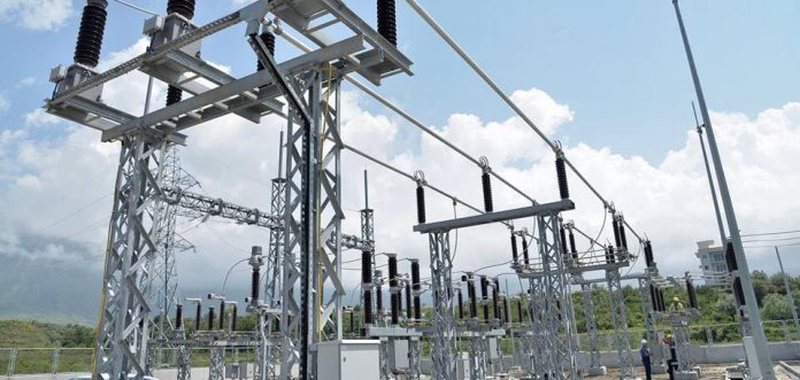
Reconstruction of the electrical substation in Kinostudio - OSSH opens the competition, the investment aims to reduce power outages
The High Voltage Directorate OSSH sh.a has announced the procurement procedure for the reconstruction and strengthening of the Kinostudio electrical......
Banks, more "generous" in granting loans - BoA: They eased standards in the second quarter. Demand from citizens increases
Commercial banks have been more "generous" with citizens in granting loans during the second quarter. According to the latest Bank of Albania survey on......
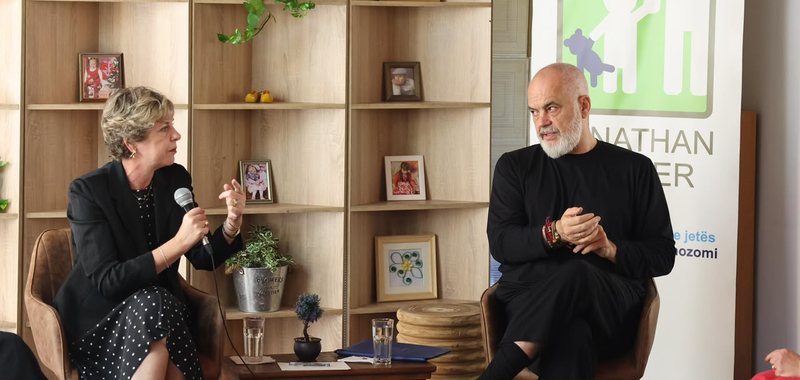
Rama: We doubled economic support for 11 thousand young people with disabilities
Prime Minister Edi Rama declared today that 11,000 children and young people with disabilities will benefit from the government's decision to double economic......
Bank of Albania increases euro purchases - In the first quarter, interventions in the domestic foreign exchange market reached 139.6 million euros
The Bank of Albania purchased 139.6 million euros in the domestic market during the first quarter of the year, with the aim of increasing foreign exchange......
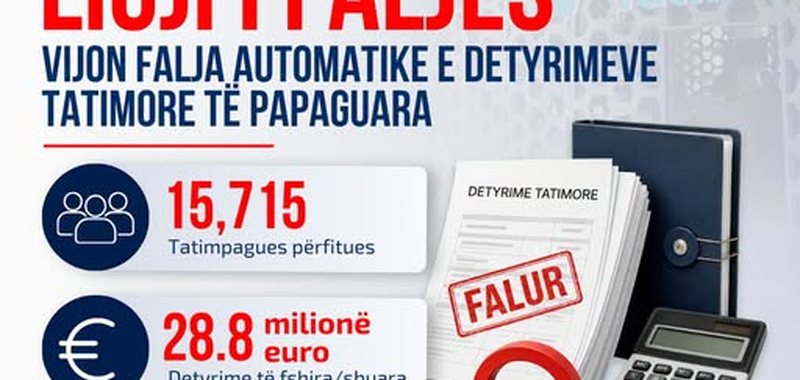
Taxes: Over 15 thousand taxpayers benefit from the automatic cancellation of liabilities, 28.8 million euros are eliminated
The process of automatic cancellation of tax liabilities, in implementation of the Amnesty Law, continues throughout the country, the General Directorate of......
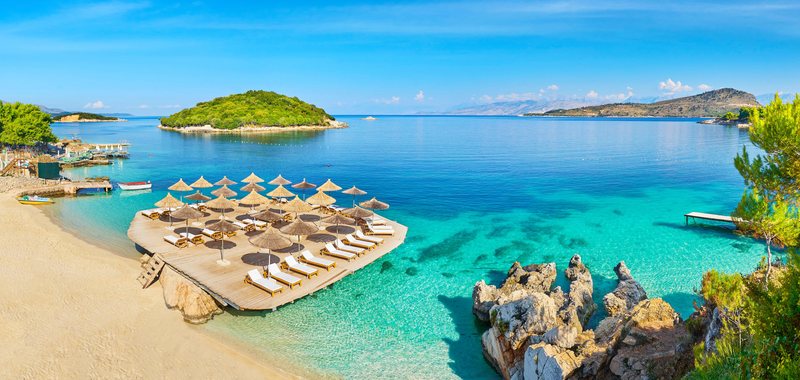
Rama: Albania first in the Western Balkans for environmental performance, reflection on nature protection remains necessary
In a public communication, Prime Minister Edi Rama stated that Albania has been ranked first in the Western Balkans for environmental performance according......

EU fines AliExpress with 550 million euros - Accused of illegal and counterfeit goods
The European Commission on Monday fined AliExpress 550 million euros for failing to adequately assess and mitigate the risks associated with the sale of......
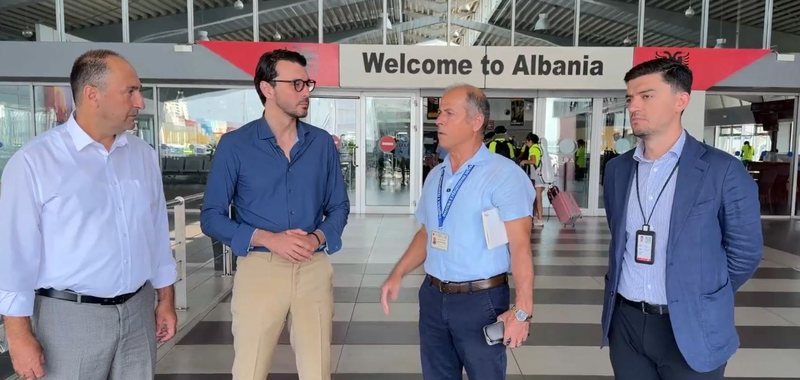
High passenger flow at the Port of Durres - Minister Karakaçi inspects the measures taken
The Minister of Infrastructure and Energy, Enea Karakaçi, inspected the measures taken to cope with the influx of passengers during the summer months at the......