Europe, the world's largest arms importer - Accounts for 33% of the global market during the period 2021-2025

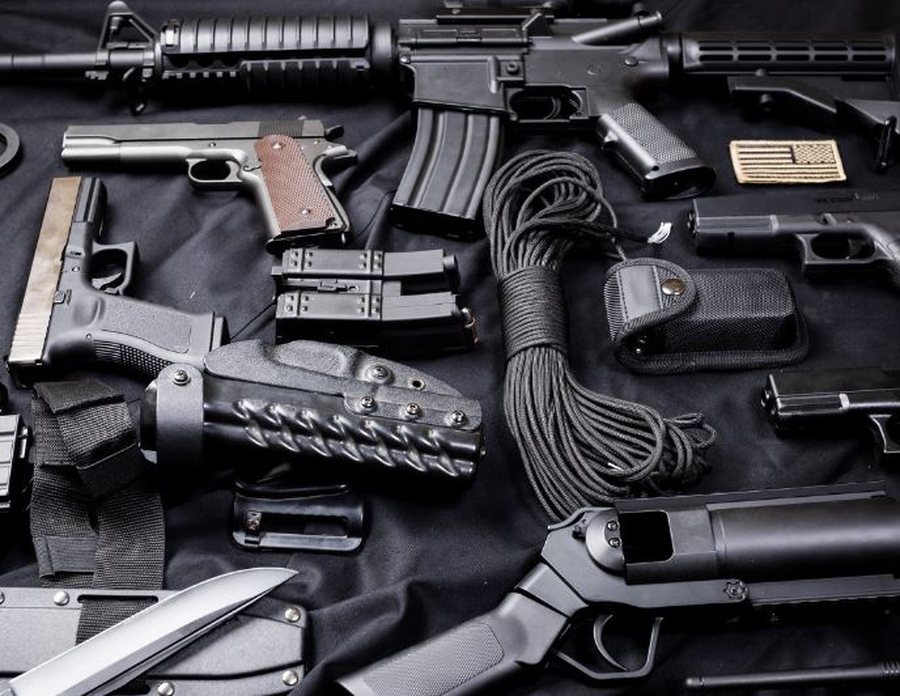
Europe has become the world's largest arms importer over the past five years as governments reacted to the threat from Russia and declining confidence in US security commitments, data from the Stockholm International Peace Research Institute showed.
European countries tripled arms imports in 2021-25 compared to 2016-2020 to supply Ukraine in its defense against Russian invasion and to rebuild their militaries after decades of lack of investment.
According to the report, the significant increase in the flow of arms to European countries increased global transfers by almost 10%. Europe accounted for 33% of global arms imports, up from 12% in the previous five-year period.
Despite the increase in domestic production, European states continued to increase purchases of American weapons, especially fighter jets and long-range air defense systems.
Arms imports from Middle Eastern countries fell by 13%, although Saudi Arabia and Qatar were among the top four individual buyers. The decline largely reflected large Saudi orders in the previous period that had yet to be integrated.
Even before the recent US and Israeli attacks on Iran, countries in the region had placed significant new orders that have not yet been reflected in the figures. The current conflict could further increase procurement, particularly of anti-missile and air defense systems.
First they will replace what they have been using, but they will also consider buying more equipment to protect themselves even better than they can now, analysts say.
In terms of suppliers, the US increased its share of the global arms export market to 42% from 36%, solidifying its dominance. France was the second largest supplier with 9.8% of global exports, while Russia's share fell to 6.8% from 21% following its invasion of Ukraine in 2022.
Europe's combined export share was 28%, four times that of Russia and five times that of China.
Smaller quantity, same price? - Greeks find solution to end traders' fraud
The era of the same label hiding less content in deceptively identical packaging is coming to an end. The Greek Ministry of Development, through a new......
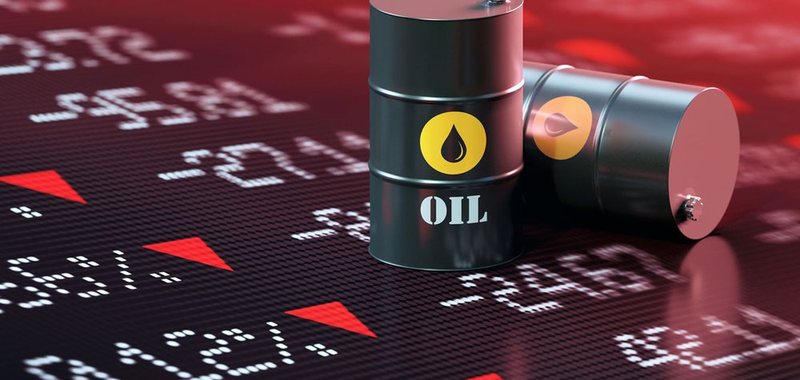
Oil prices fall after crossing $110 - G7 countries consider using emergency reserves
Oil prices fell on Monday after reports that the Group of Seven nations, including the United States, planned to discuss a coordinated release of crude from......
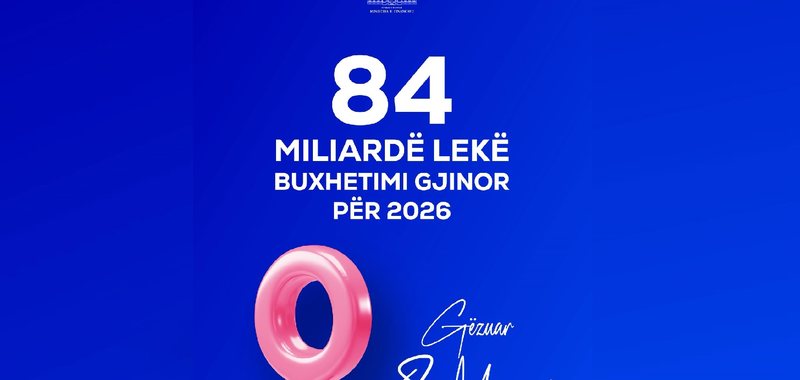
Gender budgeting, Malaj: 84 billion lek in 2026, for more opportunities for women and girls
The Minister of Finance, Petrit Malaj, along with his message for the celebration of March 8, has brought to attention that in 2026, the government has......

Protecting jobs, Rama: Support for businesses after the minimum wage increase
In his weekly podcast, Prime Minister Rama spoke about the support that will be given to businesses due to the increase in the minimum wage. The Prime......
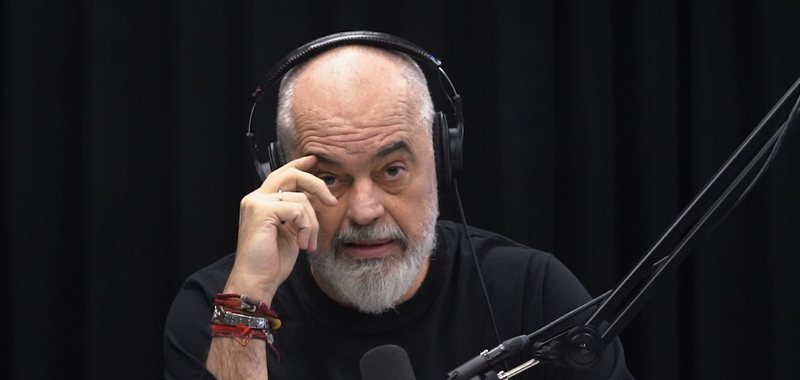
Conflict in the Middle East, Rama: The main priority is the safety of Albanians there
The safety of Albanian citizens in the Middle East is our top priority, following the ongoing conflict there, said Prime Minister Edi Rama in his weekly......
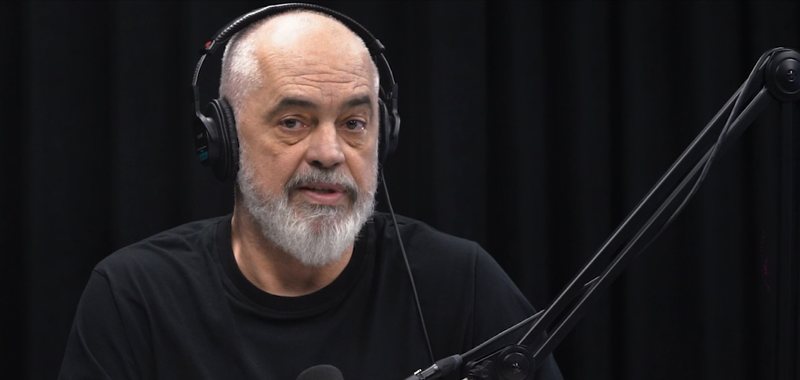
Albania on a pedestal, Rama: Participation in the Tourism Fair in Berlin, an important event
Prime Minister Edi Rama described Albania's participation in the Berlin Tourism Fair as a major event for our country. Rama said in his weekly podcast that......

March 8 beyond flowers/ Albanian women in numbers: progress, but not full equality
On International Women's Day, statistics show that women in Albania are gaining more and more space in education and decision-making, but challenges still......
Where are the most crowded classes in Albania? The ratio in high schools, from 8 to 14 students per teacher
How many students are there per teacher in Albanian high schools? This is an indicator that reflects not only how full the classes are, but also how much......