"EU could face recession" - IMF predicts inflation will reach 5%

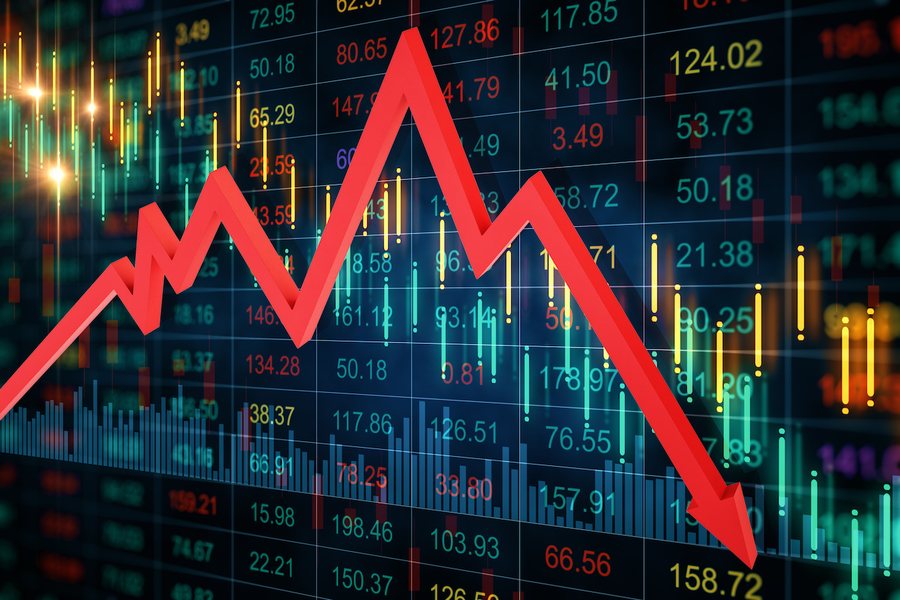
The International Monetary Fund (IMF) says the EU must respond to energy shocks with disciplined policies that protect vulnerable groups and strengthen resilience.
According to the financial institution, the European Union could be in recession, with inflation approaching the 5% threshold. No European country is immune. The energy shock, smaller than that of 2022 and now rooted in the Middle East conflict, "is weighing on growth and pushing inflation higher." The IMF estimates inflation at 2.8% in 2026, up from 2.5% in 2025.
The IMF points out that "some countries, such as Denmark or Sweden, with relatively low debt levels, have the necessary space to implement countercyclical fiscal policies, unlike France and Italy". The temptation is "simply to stop price increases, using restrictions, subsidies, or reductions in fuel excise duties", however, these are "imprudent measures". Untargeted support disproportionately benefits higher-income households, which consume more energy, the analysis continues.
During the 2022 crisis, European governments allocated an average of 2.5% of gross domestic product to energy support packages, over two-thirds of which were not targeted. An IMF analysis shows that fully compensating the bottom 40% of households for all the increase in energy costs would have required only 0.9% of GDP.
Finally, all these easing measures should have a clear end date. Some countries still have ‘temporary’ measures in place since the last crisis, which are clearly too long. According to the IMF, fiscal discipline was essential because European countries were already facing huge spending pressures on defence, an ageing society, pensions and healthcare, which the IMF estimated at 5% of GDP by 2040.
But voter pressure on politicians to intervene and compensate for high fuel prices was very high, because Europeans are used to expecting state support whenever a crisis hits after the COVID pandemic in 2020 and the Russian energy shock in 2022.
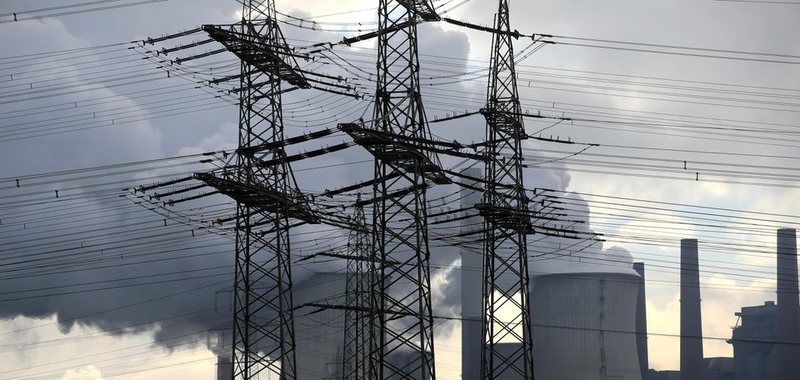
Britain to scrap carbon tax on energy production - Aims to ease pressure on rising bills
Britain’s carbon tax on electricity generation will be scrapped from April 2028, the government said, as it seeks to rein in rising electricity prices for......
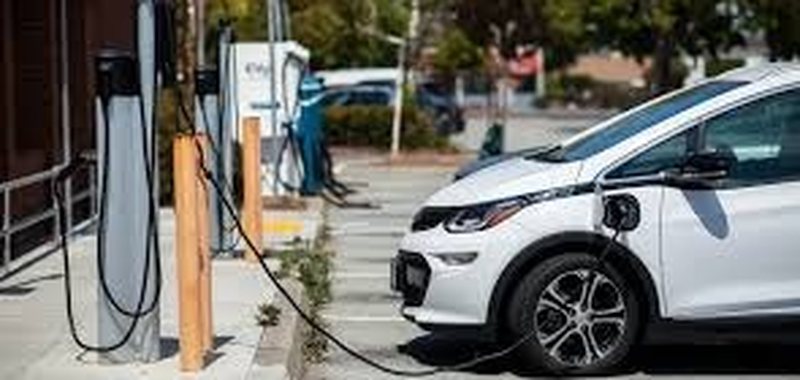
Electric Cars in Europe - Which Countries Offer the Most Support in 2026?
European countries have long supported sales of electric vehicles, but the recent energy crisis linked to the war in Iran has highlighted the role of......

7.9 billion euros for transport modernization - Draft strategy 2026-2030, roads and railways for integration into the European network
The Ministry of Infrastructure and Energy has issued for public consultation the Transport Sector Strategy and Action Plan 2030, a document that sets the......

Governor Sejko meets with the new IMF Mission Chief for Albania, Cerdeiro
In the framework of the IMF and WB Spring Meetings in Washington, Governor Sejko held an introductory meeting with the new Head of the IMF Mission to......

Prime Minister Edi Rama in Rome, meeting with Prime Minister Meloni to strengthen cooperation
The Prime Minister of Albania, Edi Rama, has begun an official visit to Rome, where he was welcomed with an official ceremony by the Prime Minister of the......

Exhibition with creations of police officers at “PUBLIK Gallery” - The new model of social reuse of assets confiscated by AAPSK
The Agency for the Administration of Sequestered and Confiscated Assets (AAPSK) today inaugurated the exhibition "Creatio Ex Ordine" with the works of four......
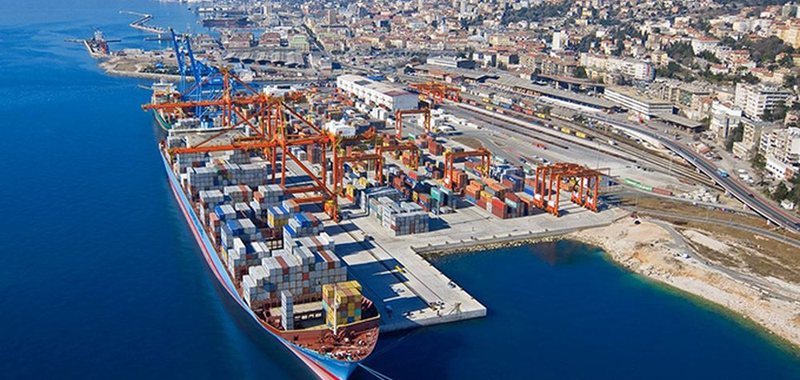
"New Port of Durrës, a strategic regional hub" - Karakaçi: The foreign company withdrew from the competition due to increased costs
The Minister of Infrastructure and Energy, Enea Karakaçi, during an interpellation in the Parliament, explained the reasons why the only company in the......

Investors "push" bond yields down - Overdemand at auction lowers yields, while safety remains a priority for the market
Currently, the returns from investing in 12-month treasury bills are very low. In the last auction, the weighted average yield fell to 2.48%, below the base......