English as a second language - Which EU country speaks it best?


The Dutch have been named the world's best English-speaking foreign language speakers for the seventh time in a row, according to a new study, even though their skills are set to decline by 2024.
According to the EF English Proficiency Index report, the Netherlands' global score has dropped by 12 points compared to last year, but the country continues to hold the top spot. Croatia and Austria, both part of the European bloc, complete the top three, with their scores increasing by 10 and 16 points since 2024.
In total, 12 EU countries rank in the "very high" proficiency category, which means using appropriate language in social situations, reading advanced texts and negotiating contracts with native English speakers.
On the other hand, Italy, Cyprus and France have the lowest scores in the EU, ranking in the average proficiency category. Five countries in the bloc, including Lithuania and Spain, are at this level, where speakers are described as able to take part in professional meetings, understand song lyrics and write professional emails on familiar topics.
The 2025 index is based on test results from 2.2 million adults in 123 countries and regions. English was the most widely studied foreign language in general and vocational secondary education in the EU in 2023, with 96% and 80.1% of students attending lessons, respectively, according to Eurostat.
Although the language is widespread in schools, gaps in skills and between demographic groups still remain. Reading and listening are the strongest skills in every EU country, compared to speaking and writing.
The study also noted a gender gap: from 2014 to 2025, English proficiency increased by 40 points for men and 20 points for women. Young people’s language skills remain lower than before the COVID-19 pandemic, and in 2025 more countries saw further declines than improvements. Over the past decade, only the 18–20 age group in Europe has seen a sustained decline in English proficiency.

How did this week end for the major currencies?
The US dollar closed this week negatively after losing points again this morning, just like the day before, being bought today at 82.5 lek and being sold at......

Real incomes lower than in 2009 - Greek families benefit less than before the crisis
Real incomes of Greek households remain 15% lower than in 2009, before the financial crisis erupted and Greece entered the memorandum adventure. Despite the......
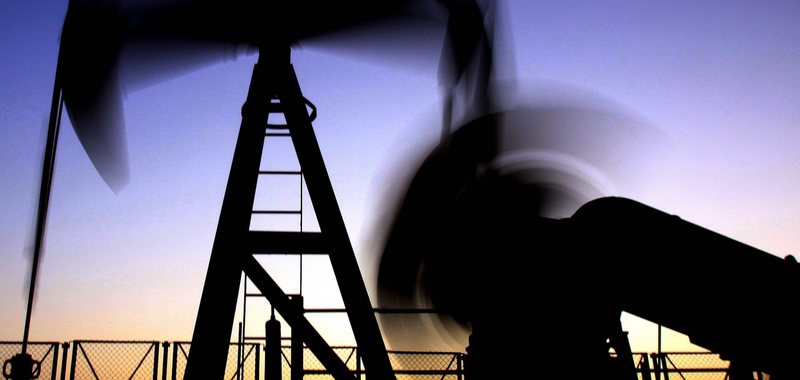
Mandatory reserves to avoid crisis - Serbian government decision, after the closure of the NIS oil refinery
Serbia is finalizing an action plan outlining steps to introduce mandatory reserves of oil derivatives on the market after its sole refiner, the......

"There are jobs, but there are no professionals" - The same refrain in North Macedonia
The paradox of the labor market in North Macedonia is becoming more and more apparent every year, with high unemployment on the one hand and thousands of job......

Meta, under the EU's "magnifier" - The company will be investigated for the use of AI in Whatsapp
Brussels has launched a new investigation into Meta Platforms over how the company deployed artificial intelligence functions on WhatsApp, the European......

Pensioner bonus, Rama: In the first 3 days, 96,292 citizens withdrew the benefit
In the first 3 days, 96,292 pensioners have withdrawn the end-of-year benefit, also known as the pensioner bonus. The figure was published on his social......
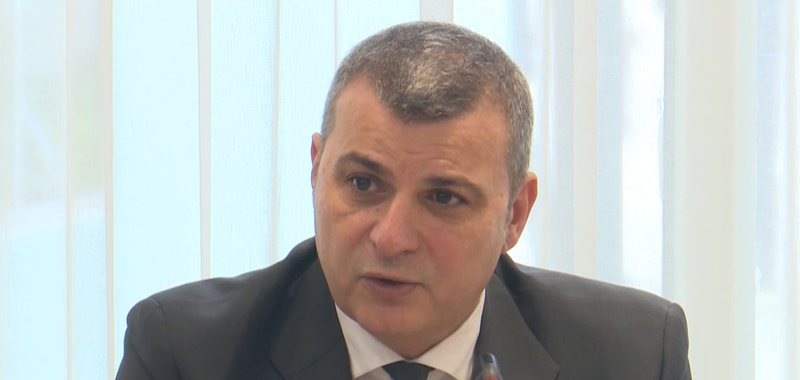
"Cashless Albania 2030", initiative aims to increase the use of digital payments by citizens and businesses
Albania is taking steps towards an increasingly digital economy, through a national program that aims to facilitate payments for citizens and businesses and......
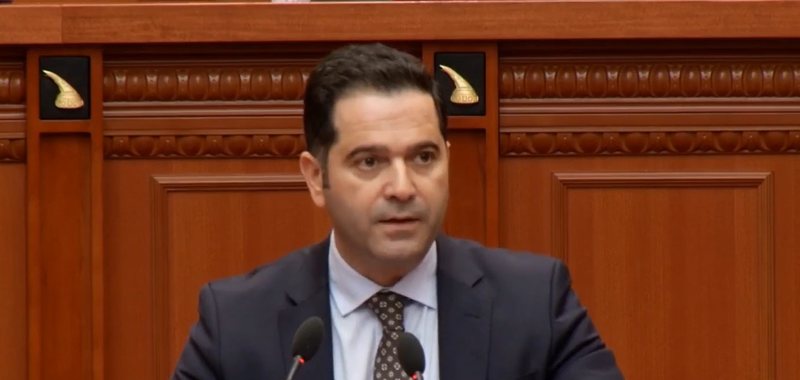
Loans for the Durrës-Rrogozhina railway, Malaj: Strategic investment for international connections
The Parliament is expected to approve today two loan agreements and a grant agreement for the financing of one of the most important railway projects, namely......