Reducing dependence on fossil fuels - Many countries are considering new strategies as a result of the war in Iran

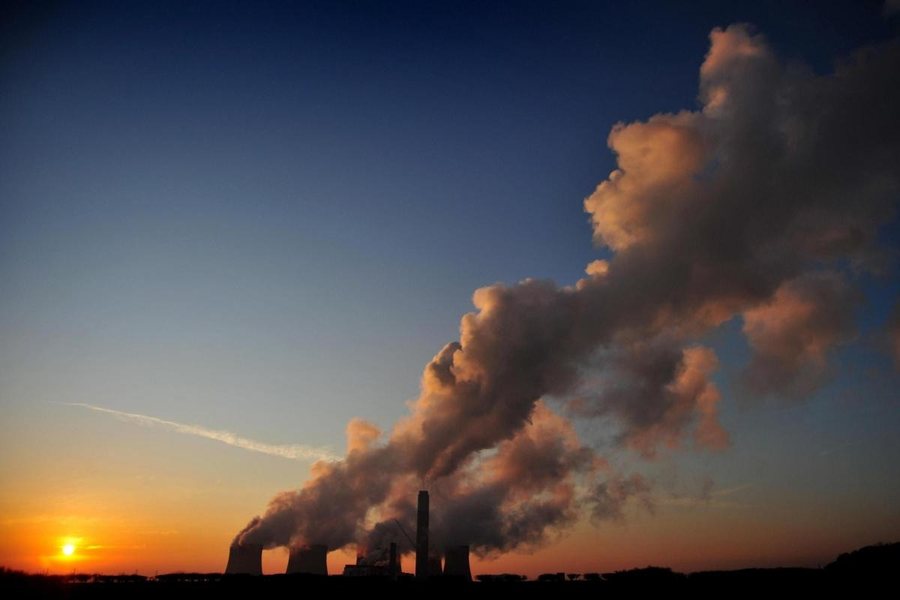
The energy shock from the Iran war has forced policymakers around the world to rethink ways to reduce long-term dependence on oil and gas imports, with proposals to expand nuclear power and renewables.
The world's biggest energy consumers are now back on track. Europe last week unveiled new financial guarantees for nuclear power after decades of nuclear plant closures. Other major importers are planning to source fuel from a wider range of suppliers to hedge their risk.
In the short term, major consumer countries have opted for a record-sized coordinated release of emergency reserves, along with demands from governments - particularly in Asia - for consumers to save energy.
About 20% of the world's oil and liquefied natural gas supplies have been cut off after Tehran closed the Strait of Hormuz - the main artery for Middle Eastern fossil fuels to world markets. The International Energy Agency has called it the worst global energy supply disruption in history. Global crude oil prices have surged above $100 a barrel.
Asia is supplied with the bulk of its oil and LNG imports from the Middle East, making it the region most affected by both higher prices and physical supply disruptions caused by the conflict with Iran.
This issue has revived support in some quarters for nuclear power as a way to reduce regional dependence on energy supplied by natural gas and other fossil fuels.
Meanwhile, the cost of EU fossil fuel imports has increased by €6 billion since the start of the war, putting huge pressure on energy prices on the continent.
Being “completely dependent on expensive and unsustainable imports” of fossil fuels puts Europe at a structural disadvantage compared to other regions, European Commission President Ursula von der Leyen said in a speech on March 10, as she presented a new program to provide a €200 million guarantee for private investment in innovative nuclear technologies.
Reducing the share of nuclear energy in Europe's overall energy supply mix over the past 25 years "was a strategic mistake," von der Leyen said.
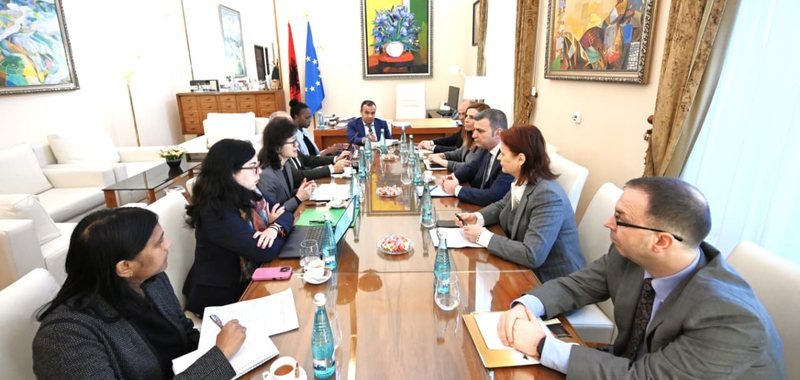
Albanian monetary policy in the face of global uncertainty - In focus, price stability. BoA Governor in meeting with World Bank representatives
Strengthening financial stability and further developing the financial sector in the country was the focus of the latest meeting of the Governor of the Bank......
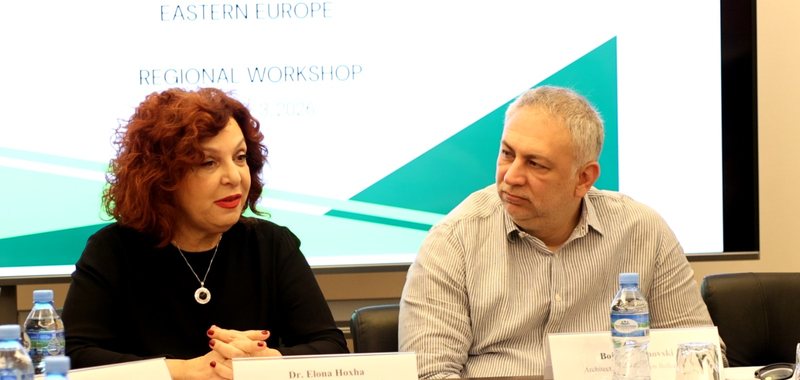
Balkans facing new risks - Regional organizations gather for more security and coordination
The security of organizations in the Western Balkans is facing new challenges, at a time when global geopolitics is changing rapidly and the consequences are......

Karakaçi: There were no abuses with the oil price. We are creating the State Agency, 90-day deposit for full hydrocarbon security
Minister of Energy and Infrastructure Enea Karakaçi, in his speech during the meeting with oil suppliers, stated that up to now there have been no abuses......
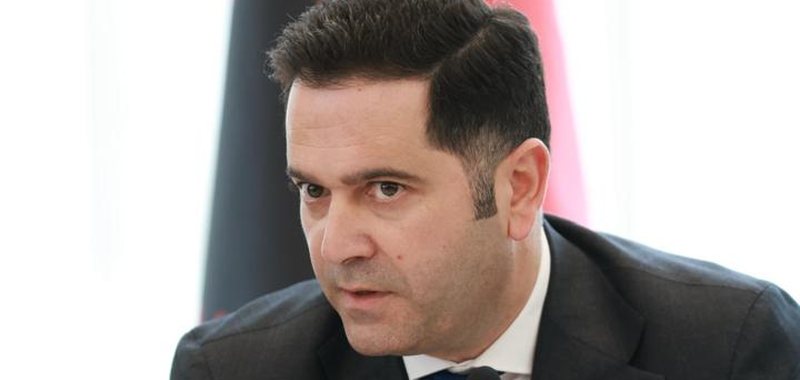
Fuel prices/ Malaj: The situation is being seen in several plans, the Transparency Board will be established in case of abuses
Minister of Finance, Petrit Malaj, said that the situation with hydrocarbon prices is being viewed on two levels. "The first plan is about monitoring prices......
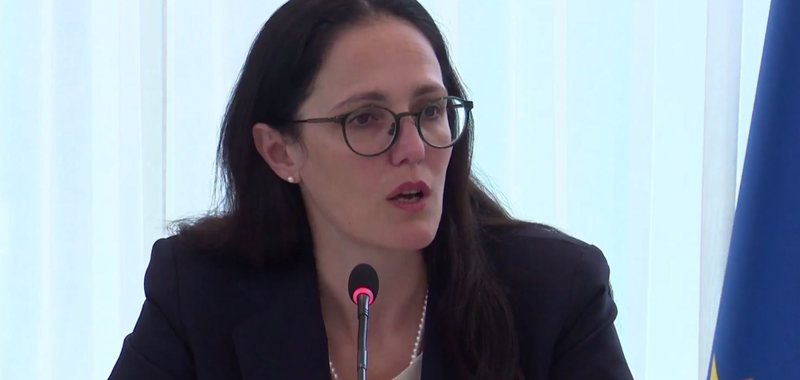
Ibrahimaj: Controlled profit margin on fuels, we are not at the level for interference in taxation
The Minister of Economy and Innovation, Delina Ibrahimaj, stated today that the hydrocarbon and food price market in the country is under daily monitoring by......
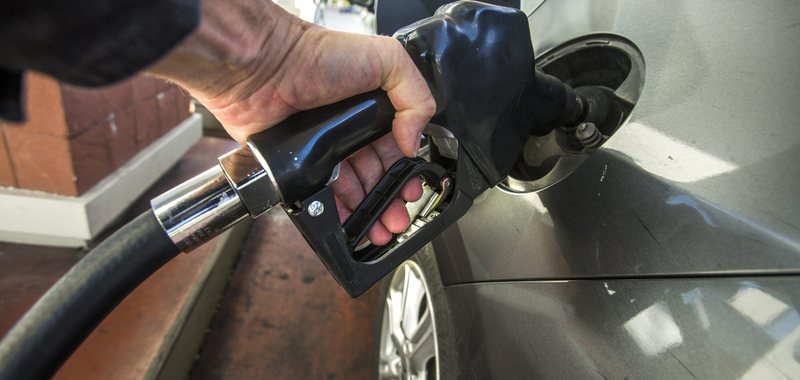
Observation, oil at the limit of 200 lek per liter - The capital's market lags behind the price trend
The price of hydrocarbons has increased again. This Wednesday, a liter of diesel has been tightened in price from 199 lek to 202 lek. Authorities have set up......
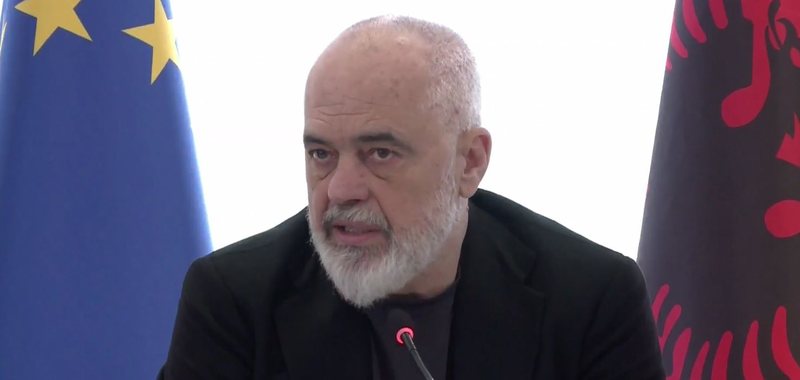
Rama to oil suppliers: Better less profit than having the board on your back!
Prime Minister Edi Rama told the country's oil suppliers that at the moment it is not considered reasonable to establish a board to set the price of this......

Retail sales grew by 6.2% at the end of 2025/ The main impact came from non-food items and hydrocarbons
According to data published by INSTAT, retail trade in Albania recorded a positive performance during the fourth quarter of 2025, reflecting a steady......