How is the war affecting energy and trade? - IMF Analysis: Concerns about food prices are rising

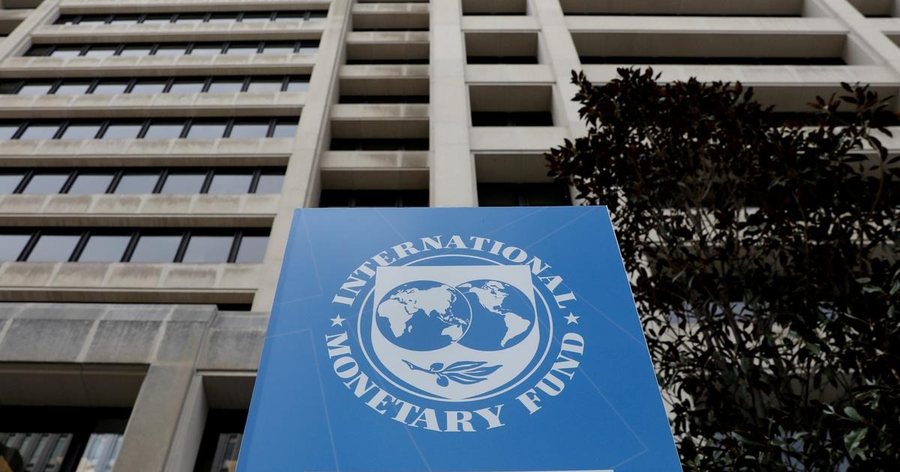
While war can shape the global economy in different ways, all paths lead to higher prices and slower growth. According to a recent study by the International Monetary Fund (IMF), a short conflict could push up oil and gas prices before markets adjust, while a long conflict could keep energy expensive and strain countries that rely on imports.
The closure of the Strait of Hormuz and damage to regional infrastructure have caused the biggest disruption to the global oil market in its history, according to the International Energy Agency. For fuel-importing economies, the effect is that of a large and unexpected tax on income.
The multi-regional impact is evident. Energy-importing economies in Africa, the Middle East, and Latin America are feeling the pressure from higher import bills, in addition to already limited fiscal space and external shock absorbers.
In Europe, the shock is reviving the specter of a 2021-22 gas crisis, with countries such as Italy and the United Kingdom particularly exposed by their reliance on gas power, while France and Spain are relatively protected by their greater nuclear and renewable capacity.
The war is also reshaping supply chains for non-energy and critical inputs. The rerouting of tankers and container ships increases freight and insurance costs and extends delivery times.
In addition to higher commodity prices, countries, companies and consumers are already grappling with the effects of these supply chain disruptions. With the disruption of fertilizer shipments, about a third of which pass through the Strait of Hormuz, concerns about food prices are growing.
People in low-income countries are most vulnerable when prices rise, because food accounts for an average of about 36% of consumption, compared with 20% in emerging market economies and 9% in developed economies. This makes any increase in fertilizer and food prices not only an economic problem but also a socio-political one, especially where fiscal resources to cushion the blow are limited. If high energy and food prices persist, they will fuel inflation worldwide.
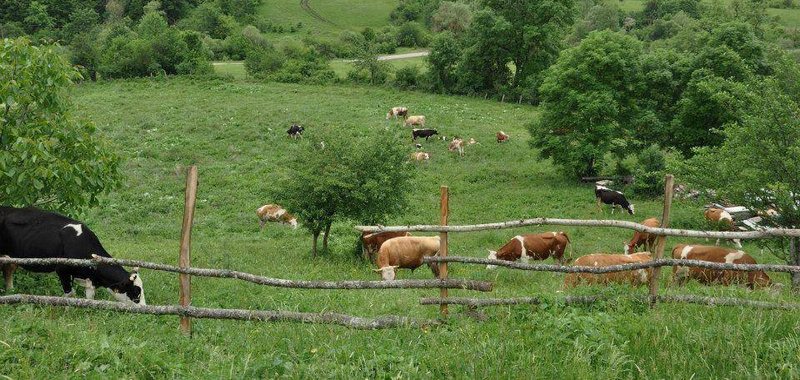
52 million euro fund, new agricultural support schemes approved, funds for livestock increased
The government has approved new agricultural support schemes for 2026, through a fund of 52 million euros. This year, the scheme has innovations, where oil......
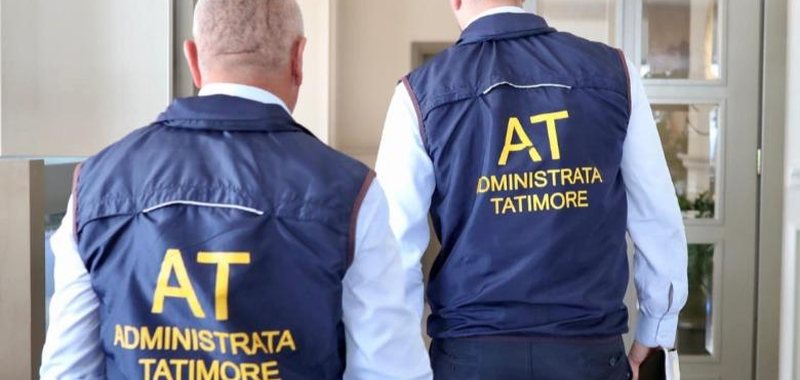
"Under surveillance, tourism, construction and medical services" - Tax Administration in action, control of high-risk sectors
The Tax Administration is deepening its drive to formalize the economy, focusing on sectors with a high risk of informality. Tourism, construction, and......

When will the fuel excise tax be reduced? - Minister Malaj: We will reduce it by 8 lek if the retail price exceeds 220 lek/liter
During a press conference together with tax and customs administration leaders, the Minister of Finance, Petrit Malaj, spoke about the work being done to......
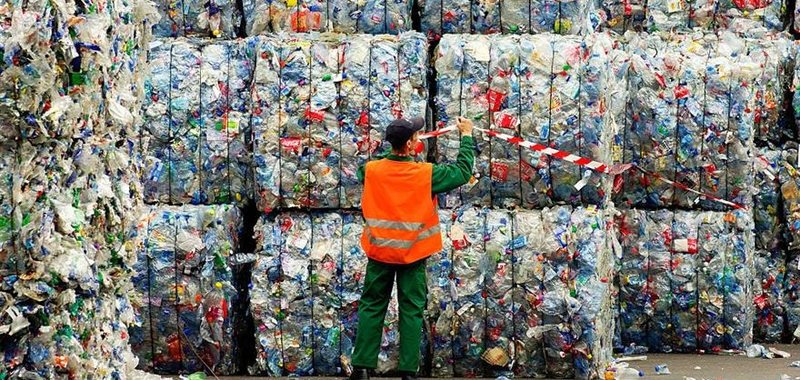
Businesses will finance waste collection and recycling - Extended Producer Responsibility, a condition for EU membership
The Ministry of Environment has 4 draft decisions ready, which will pave the way for the implementation of the law "On Extended Producer Responsibility",......
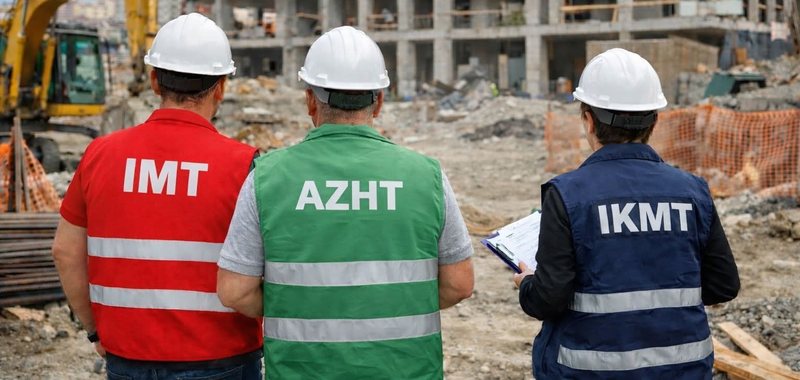
Technical safety at construction sites, IKMT fines 22 entities in Tirana
The National Inspectorate of Territorial Protection is continuing to intensively inspect construction sites throughout the territory, with a special focus on......
Beja: Customs towards artificial intelligence, 112 measures against hydrocarbon entities
The customs administration is orienting its work towards the use of artificial intelligence and risk analysis to combat smuggling and illegal phenomena. This......
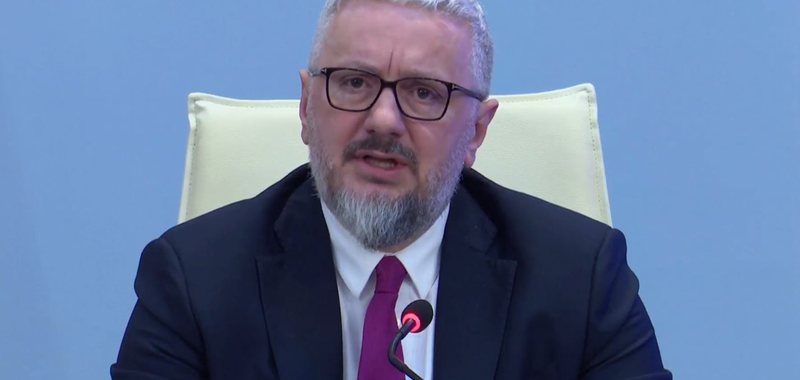
Ilir Binaj: Digitalization saves millions of working hours, new focus on construction and tourism
The digitalization of services remains one of the main pillars of the tax administration for improving service to taxpayers. This was stated by the Director......
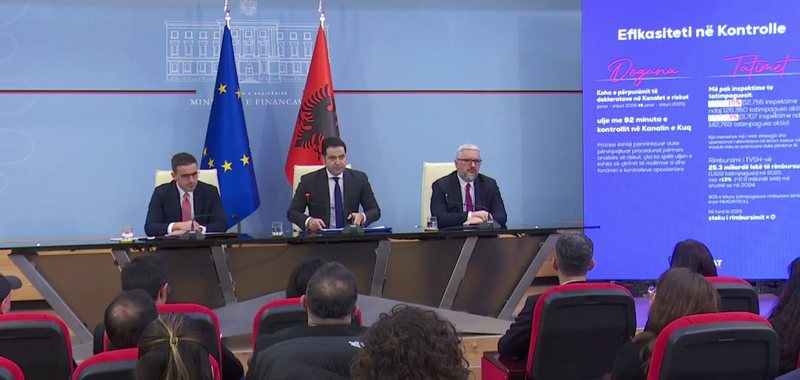
Petrit Malaj: Revenues at historic levels, over 1 billion euros more in 2025-2026
The Albanian economy is entering a new phase of development, where public finances are becoming a real engine of growth. This was stated by the Minister of......