How much will the conflict affect the global economy? - OECD: It is expected to slow down by 0.4% in 2026

Escalating conflict in the Middle East has pulled the global economy off a stronger growth path, the OECD warned, while a near-total disruption to energy shipments through the Strait of Hormuz threatens to sharply increase inflation.
The Paris-based Organization for Economic Co-operation and Development said the global economy had been on track for stronger-than-expected growth before the Iran war broke out, but that prospect has now almost completely disappeared.
Global GDP growth is forecast to slow from 3.3% last year to 2.9% in 2026, before reaching 3% in 2027, as a rise in energy prices and the unpredictable nature of conflict offset headwinds from strong technology-related investments, lower effective tariff rates and momentum carried over from 2025.
The projections in the OECD's Interim Economic Outlook are conditioned by a technical assumption that energy market disruptions ease over time, with oil, gas and fertilizer prices gradually falling from mid-2026 onwards.
The forecast for 2026 is unchanged from the OECD's December forecast, but preliminary indications back then had suggested that global GDP growth could have been revised upwards by about 0.3 percentage points in 2026 had the conflict not escalated, a revision that has been completely erased by the impact of the fighting.
With energy prices now on the rise, G20 inflation is forecast to be 1.2 percentage points higher than previously expected in 2026, at 4.0%, before easing to 2.7% in 2027.
In an adverse scenario, in which energy prices peak and stay high for a longer time, global growth would be 0.5 percentage points lower by the second year of the shock and inflation would be 0.9 percentage points higher, the OECD said.
Dollar with Trump's signature - The first time a sitting president signs a banknote
The U.S. dollar bill will bear the signature of President Donald Trump starting this summer, the first time a sitting president has signed U.S. currency, the......
Greece increases the minimum wage again - On April 1, it will go to 920 euros, compared to the current 880 euros
Greece will raise the gross monthly minimum wage by 4.5% from April 1, the sixth increase in four years, as it seeks to restore living standards hit by a......
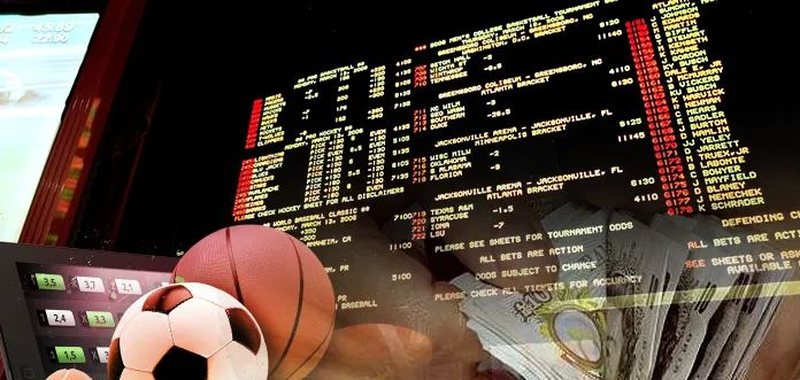
How will online betting be organized? - Licensing criteria for companies, only 10 licenses approved
The government has officially given the green light to the implementation of the law on online sports betting. The decision approved by the Council of......
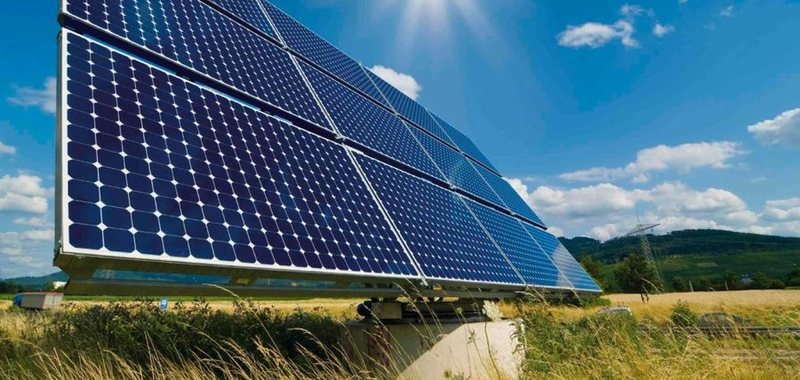
Energjia diellore, qeveria miraton ndërtimin e dy centraleve fotovoltaike me fuqi 152 megavat
Në mbledhjen e së enjtes Qeveria ka miratuar ndërtimin e dy centaleve të tjera fotovoltaikë. Sipas vendimeve në njësinë administrative Mbreshtan të Bashkisë......
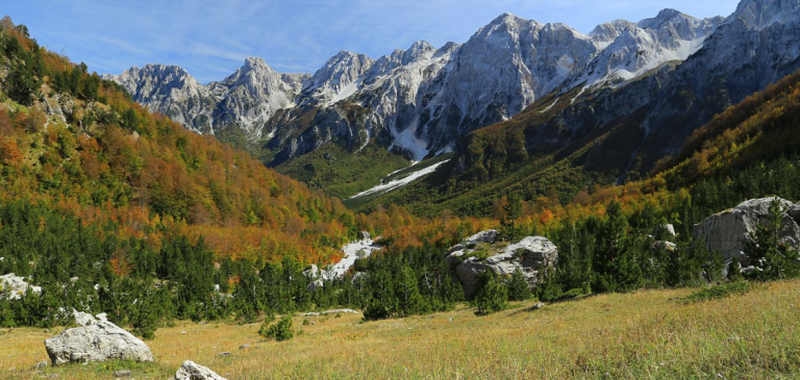
The Mountain Package, here are the 28 priority areas approved by the Government for the Municipalities of Bulqizë, Pukë and Lezha
At today's Government meeting, three more municipalities were added to the list of priority areas for development, within the framework of the Mountain......
Fuel prices, Transparency Board: Diesel up to 203 lek per liter, gasoline 175 lek per liter
The Transparency Board, in its meeting today, has determined the wholesale and retail prices of fuels in the market. The following is the announcement made......

Projects 2027–2029, priority investment routes - Total cost of mature projects reaches 5.27 billion euros
The Albanian government has identified a series of priority projects with "mature" status for the period 2027–2029, which are considered ready for financing......

Four countries carry the "weight" of investments in Albania - BoA: Netherlands in first place with 202 million euros. Italy, Kosovo and Turkey follow
The Netherlands, Italy, Kosovo and Turkey are the countries that brought the most investments to Albania last year. The latest data from the Bank of Albania......