World's largest nuclear power plant restarts - Japan takes final step 15 years after Fukushima

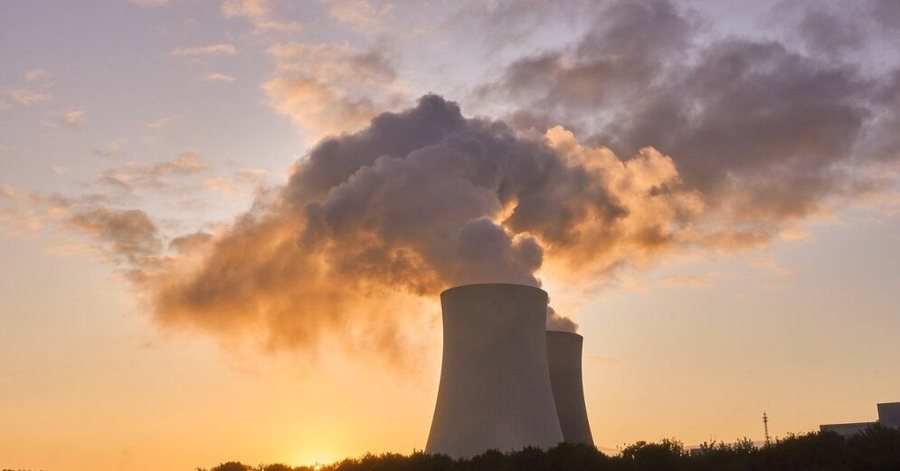
Japan took the final step to allow the world's largest nuclear power plant to resume operations with a regional vote on Monday, a crucial moment in the country's return to nuclear power nearly 15 years after the Fukushima disaster.
The plant, located about 220 km northwest of Tokyo, was among 54 reactors shut down after the 2011 earthquake and tsunami that damaged the Fukushima Daiichi nuclear power plant in the worst nuclear disaster since Chernobyl.
Since then, Japan has restarted 14 of its 33 plants as it moves to wean itself off imported fossil fuels. On Monday, the Niigata prefectural assembly passed a vote of confidence in the governor of Niigata, who backed the restart last month, effectively allowing the plant to resume operations.
The assembly session, the last of the year, highlighted community divisions over the restart, despite new jobs and potentially lower electricity bills. Outside, about 300 protesters stood in the cold, holding signs that read “No to nuclear weapons,” “We oppose the restart of Kashiwazaki-Kariwa,” and “We support Fukushima.”
The total capacity of this plant is 8.2 GW, enough to power several million homes. The expected restart would bring a 1.36 GW unit into operation next year and bring another with the same capacity into operation around 2030.
But a survey released by the prefecture in October found that 60% of residents did not think the conditions for restarting work had been met. Nearly 70% were concerned about the operation of the power plant. Japan spent $68 billion last year on imported liquefied natural gas and coal, a tenth of its total import costs.
Despite its shrinking population, Japan expects energy demand to surge over the next decade due to a boom in energy-hungry artificial intelligence data centers. To meet these needs and its decarbonization commitments, the government has set a target of doubling the share of nuclear power in its electricity mix to 20% by 2040.

How has this week started for foreign currencies?
The US dollar has suffered a decline over the weekend, losing points from last week as it was bought this morning at 81.8 lek and sold at 82.8 lek according......

Britons feel tax hike - As economy slows. GDP expanded by just 0.1%
British households saved less in the July-September period this year as they felt the hit from higher taxes, but still increased their spending, according to......

State Police, plan of measures for the end-of-year holidays - Increased checks and patrols throughout the country
The State Police has taken increased security measures throughout the country, with the aim of guaranteeing public order and safety during the year-end......
Impact of tariffs on Germany - Auto exports hit hard
German car exports to the United States fell by almost 14% in the first 9 months of 2025, making it the hardest-hit branch of German industry in President......

China "targets" the EU again - imposes temporary tariffs on dairy products
China will impose temporary tariffs of 21.9% to 42.7% on certain dairy products imported from the European Union starting December 23, following an......

335 billion lek debt matures in 2026 - 12-month bills and bonds carry the main weight of repayments during the year
During 2026, the Albanian government faces a significant volume of maturing domestic debt. According to official data, total debt payments maturing during......

North Macedonia, smoking causes 4,000 deaths each year - About 40% of the population are active consumers, only 5% quit
Macedonia loses about 4,000 lives each year as a result of smoking or its products. The number of active smokers in the country is 40.4 percent of the......
Who benefits from the EU decision on vehicles? - Easing measures for internal combustion cars harms the European market
German automakers have welcomed the European Commission's decision to postpone the ban on internal combustion engines until 2035. But the change gives......