OPEC+, towards suspending production growth/ Decision-making for 2027, depending on supply from the Strait of Hormuz

OPEC+, which consists of OPEC members and other allies led by Russia, is likely to halt production increases starting in October as it faces potentially difficult talks on new production quotas. The decision translates into about 2 million fewer barrels per day to be shared among all OPEC+ countries until the group decides how to distribute the extra supply among its members.
The debate is complicated by competing demands for higher quotas and disruptions caused by the Iran war, which have significantly reduced the effective capacity of the producer group. “Regarding future production levels, much depends on how the conflict in the Middle East develops,” said Giovanni Staunovo, an analyst at UBS. “Also, the group is going through a process of defining maximum production capacity levels for all member states. This will probably set the stage for further production adjustments,” he added.
Seven major OPEC+ members, Saudi Arabia, Russia, Iraq, Kuwait, Algeria, Kazakhstan and Oman, at a meeting expected to take place on August 2, are likely to increase their production target by about 188,000 barrels per day for September, the same as for June, July and August, OPEC+ sources told Reuters.
However, quota increases this year have remained largely on paper, as the war in Iran forced Middle Eastern countries to reduce oil exports. OPEC+'s production policies for 2027 are likely to be influenced by a number of factors, both domestic and external.
At the same time, OPEC+ is conducting a review of its member countries’ oil production capacities, which will serve to determine the baseline production levels for 2027, on which each country’s quotas will then be set. According to one of the sources, the group needs to complete this process before deciding on the next steps. Some members of the group, including Iraq, are pushing for higher individual quotas to reflect higher capacity. Another important factor is the oil market outlook for 2027, as the International Energy Agency expects a significant surplus, depending on the performance of supply through the Strait of Hormuz.

Europe's worst year for forest fires/Burnt areas reach the size of Luxembourg
Spain is the EU country hardest hit by this year's fires, recording the highest proportion of land burned in Europe compared to its surface area in 2026.......

EU changes state aid rules/ Support for businesses and industries in difficulty
The European Commission is reviewing the regulatory framework for state aid, aimed at rescuing and restructuring companies in difficulty. This initiative......

More young people work on temporary contracts/ Men and people with low education are most affected
The Albanian labor market is showing an increasingly visible trend towards employment with temporary contracts, especially for young people just entering the......
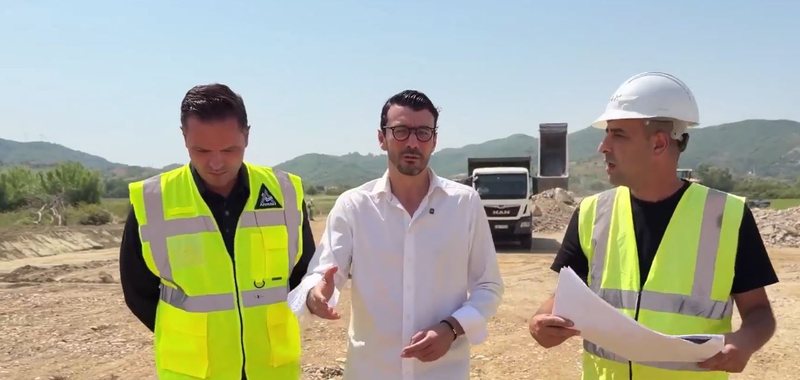
Karakaçi inspects Tirana bypass works: Strategic node for connecting national corridors
The Tirana Bypass is another important infrastructure project for which field work has begun in the first two phases. This work has a length of 21 kilometers......
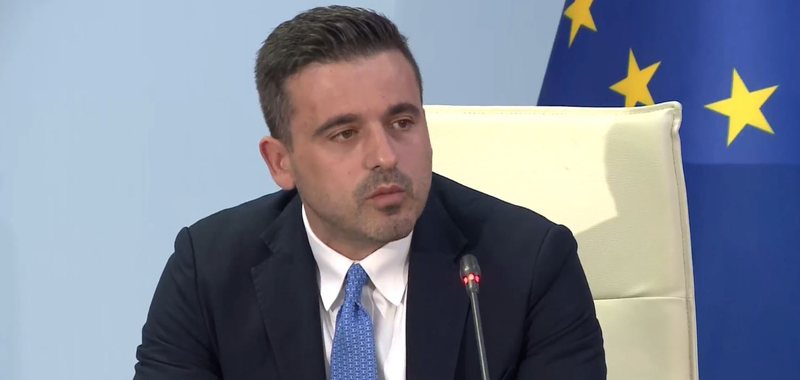
Beja: Customs Code aligned with European legislation, we await agreement from the EU
The Director General of Customs, Besmir Beja, stated today that the Albanian customs administration is at the forefront of integration processes with the......
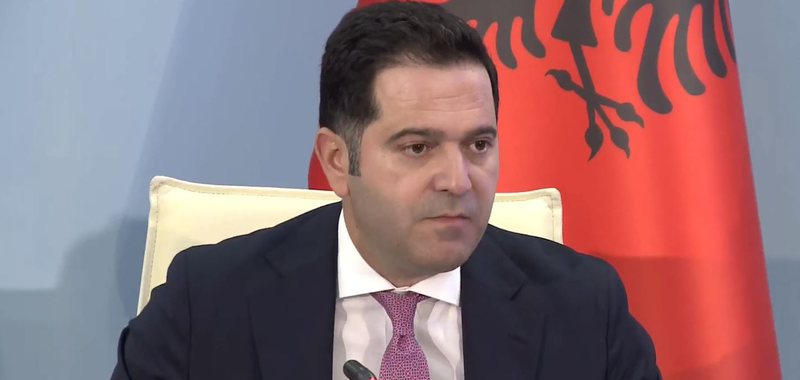
Malaj: The economy grew by 3.7% in the first quarter, we aim for 4% growth by the end of the year
The Albanian economy continues to follow a stable growth and consolidation trajectory during the first half of 2026, while fiscal and macroeconomic......
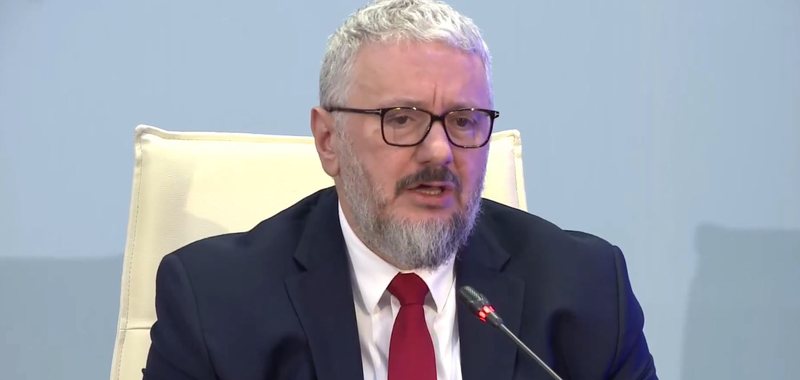
Binaj: 2'400 applications from farmers for VAT refund, payments start in August
The Director General of Taxes, Ilir Binaj, stated that the 10% VAT refund scheme for farmers is developing normally, while the number of applications is......
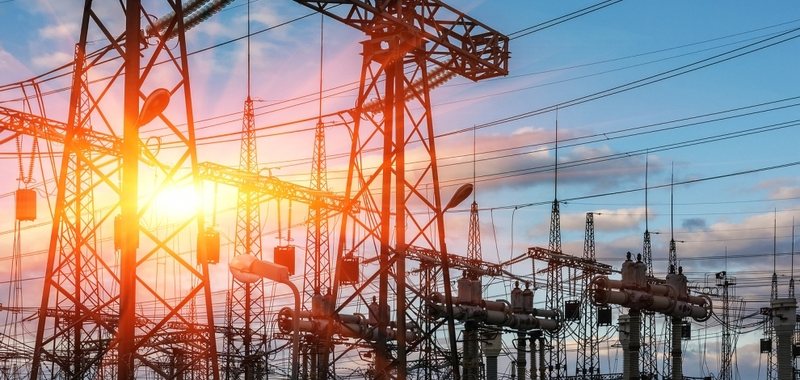
Energy losses in the network drop to 15.91%/ 6-month period, OSSH: An improvement of 1.1% was recorded. Due to controls and investments
Losses in the electricity distribution network have continued their downward trend during the first half of the year. According to data published by the......