EU-Australia trade agreement/ What are companies expected to benefit from?

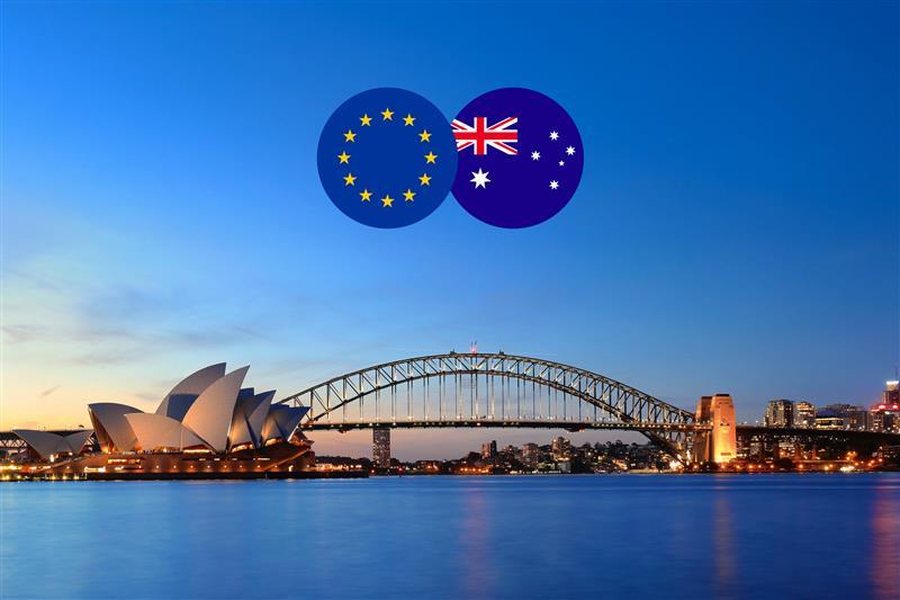
After eight years of negotiations, 15 rounds of talks and a stalled negotiation in 2023, the EU and Australia signed a long-awaited free trade agreement early last week. The deal marks another victory for Brussels as it rushes to diversify trade ties and secure strategic partners amid rising global tensions.
In 2025, the EU exported goods worth €36.9 billion to Australia, while imports amounted to €10.2 billion. This left the bloc with a trade surplus of €26.7 billion, according to the latest Eurostat data. Both exports and imports fell slightly compared to 2024, by 4.9% and 4.8% respectively.
However, in the long term, trade has increased significantly. Since 2015, exports have increased by almost 40% and imports by almost 50%.
The EU's main exports to Australia were medicinal and pharmaceutical products, accounting for 13.1%, followed by road vehicles at 11.1% and industrial machinery at 9.5%.
On the import side, coal, coke and briquettes dominated, accounting for 29% of all imports. These were followed by oilseeds and oil fruits with 15.3% and gold with 7.2%.
According to the European Commission, trade between the EU and Australia is expected to grow by up to 33% over the next decade, with the value of exports expected to reach up to €17.7 billion per year. Some key sectors for the EU include dairy products (expected to grow by up to 48%), motor vehicles (52%) and chemicals (20%).
In addition, under the agreement, more than 99% of tariffs on EU exports to Australia will be eliminated, saving businesses around €1 billion per year.
The EU also reinforces its strategic interests in the area of critical raw materials, as Australia is a major producer of raw materials, including aluminium, lithium and manganese, which are vital to the EU's overall economic security and competitiveness.
1.5 billion euros to strengthen the defense industry - European Commission approves a new financing package
The European Commission adopted the framework for the implementation of the European Defence Industrial Programme (EDIP), with a total value of 1.5 billion......
How is the war affecting energy and trade? - IMF Analysis: Concerns about food prices are rising
While war can shape the global economy in different ways, all paths lead to higher prices and slower growth. According to a recent study by the International......
52 million euro fund, new agricultural support schemes approved, funds for livestock increased
The government has approved new agricultural support schemes for 2026, through a fund of 52 million euros. This year, the scheme has innovations, where oil......
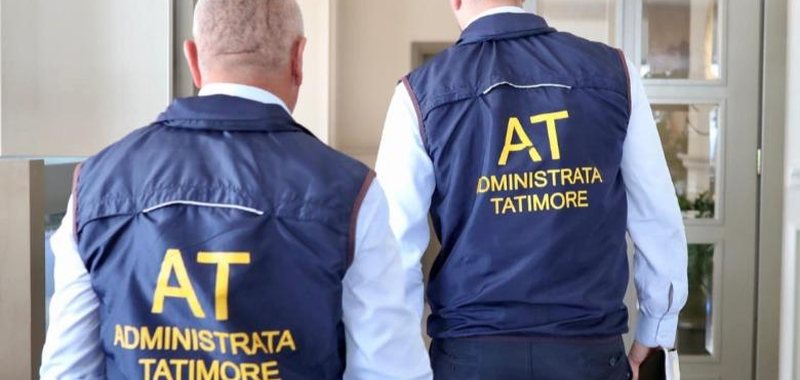
"Under surveillance, tourism, construction and medical services" - Tax Administration in action, control of high-risk sectors
The Tax Administration is deepening its drive to formalize the economy, focusing on sectors with a high risk of informality. Tourism, construction, and......

When will the fuel excise tax be reduced? - Minister Malaj: We will reduce it by 8 lek if the retail price exceeds 220 lek/liter
During a press conference together with tax and customs administration leaders, the Minister of Finance, Petrit Malaj, spoke about the work being done to......
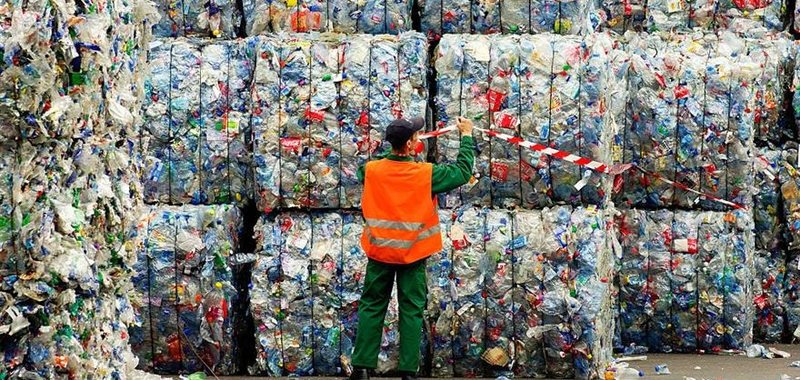
Businesses will finance waste collection and recycling - Extended Producer Responsibility, a condition for EU membership
The Ministry of Environment has 4 draft decisions ready, which will pave the way for the implementation of the law "On Extended Producer Responsibility",......
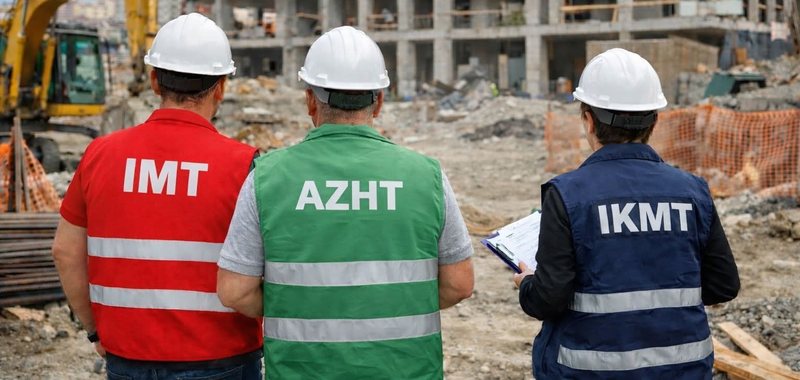
Technical safety at construction sites, IKMT fines 22 entities in Tirana
The National Inspectorate of Territorial Protection is continuing to intensively inspect construction sites throughout the territory, with a special focus on......
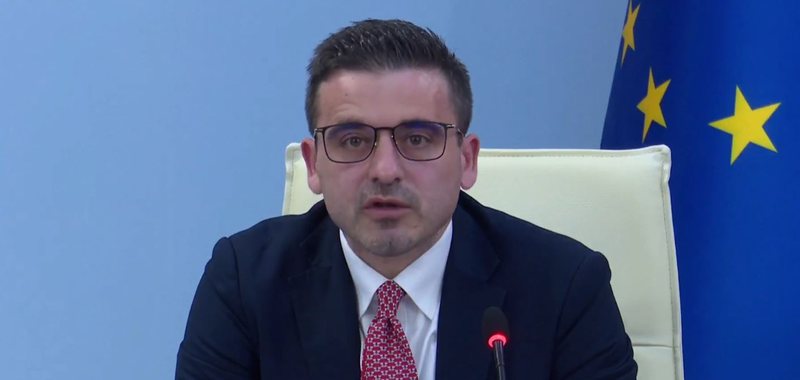
Beja: Customs towards artificial intelligence, 112 measures against hydrocarbon entities
The customs administration is orienting its work towards the use of artificial intelligence and risk analysis to combat smuggling and illegal phenomena. This......