China's advantage in artificial intelligence - Competition with the US. Prices and subsidies, the decisive factors

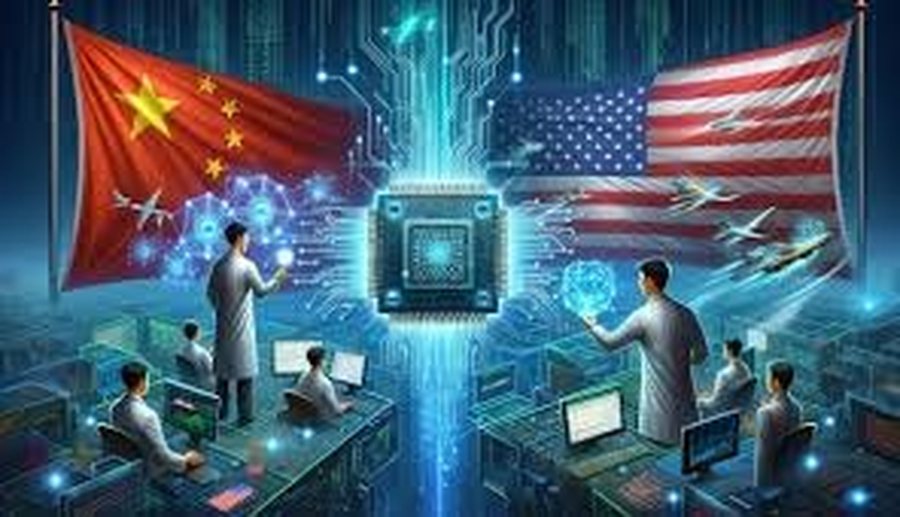
While discussions about the US-China AI race tend to focus on which country has the most powerful cutting-edge models, this framework is becoming outdated. The question is no longer whose models meet technical standards, but who can create and sustain an ecosystem that integrates AI into everyday products and services.
Such an ecosystem must be based on three pillars. First, it requires cheap, reliable, and widely deployed hardware capable of hosting artificial intelligence systems in a range of applications, from cars and drones to industrial equipment. Second, it depends on software that can be continuously updated. And finally, it includes supporting infrastructure that allows these systems to operate securely.
In this context, China enjoys a distinct advantage. This stems from its excess production capacity.
The electric vehicle sector provides the clearest example. Developing autonomous driving capability requires a large installed base of modern vehicles that can operate advanced driver assistance systems. China has built such a base on a scale that no other country can match, largely due to its excess manufacturing capacity.
At the same time, China is rapidly building the infrastructure to support the transition to autonomous driving. A similar dynamic exists in what Chinese policymakers call the “low-altitude economy”: the airspace below about a kilometer that they seek to transform into a new engine of growth through drones and flying taxis.
Lower prices and subsidies, on the other hand, are accelerating adoption of the technology. Meituan, China’s leading food delivery platform, has completed more than 600,000 orders on dozens of drone routes in major cities.
Sure, China still lags behind the U.S. in developing advanced models. But thanks to its tendency to expand aggressively, it is steadily amassing the equipment base and infrastructure on which the next phase of artificial intelligence will depend, from electric vehicles and robots to drones and flying taxis.
American policymakers are ignoring this shift. The United States risks losing the most important competition to integrate artificial intelligence into the infrastructure and daily routines that will ultimately shape the global economy.
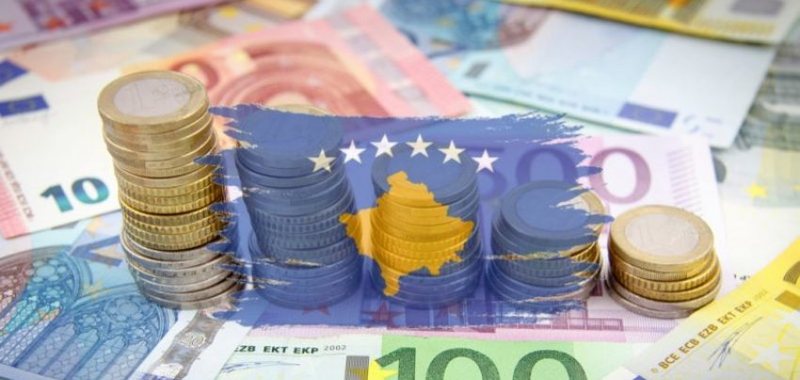
Kosovo closed 2025 with 3.9% inflation - The end of the year brought the largest price increase
The year 2025 was characterized by a continuous increase in consumer prices in Kosovo, directly affecting the reduction of citizens' purchasing power.......
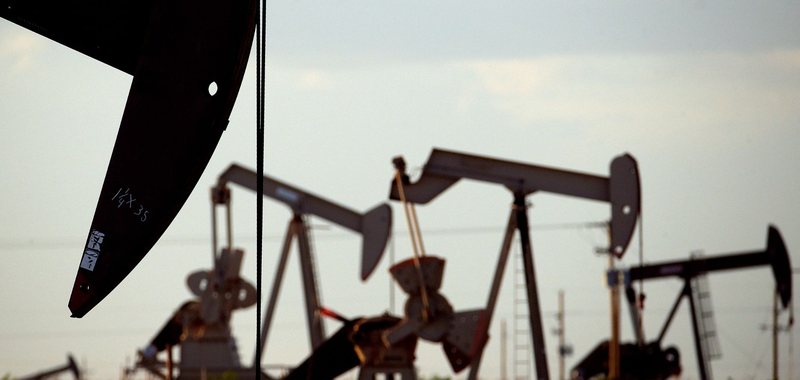
Serbian NIS refinery resumes activity - First crude oil supply begins after US sanctions lifted
Serbia's sole oil refinery, NIS, controlled by Russia and sanctioned by the US, received its first crude oil shipments via Croatia's Janaf pipeline on......
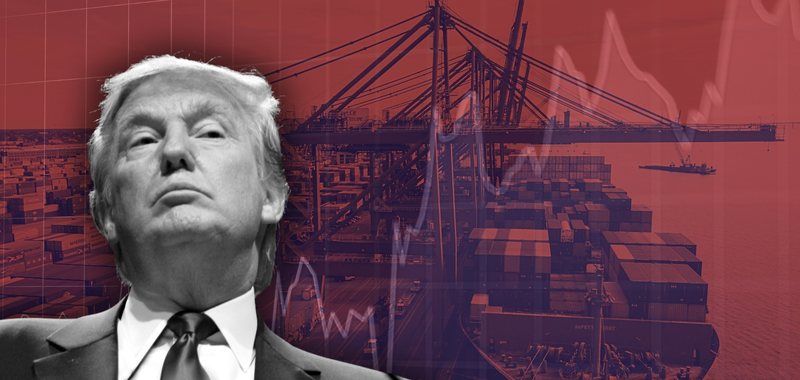
25% tariff on countries doing business with Iran - Trump signs law. Aims to economically isolate the Middle Eastern country
President Donald Trump said that any country that trades with Iran will face a 25% tariff “on all business done with the United States of America.” The new......

Sustainable Development Week, Prime Minister Edi Rama visits Abu Dhabi
Prime Minister Edi Rama is in the United Arab Emirates to participate in the Abu Dhabi Sustainability Week 2026 (ADSW). This international forum brings......
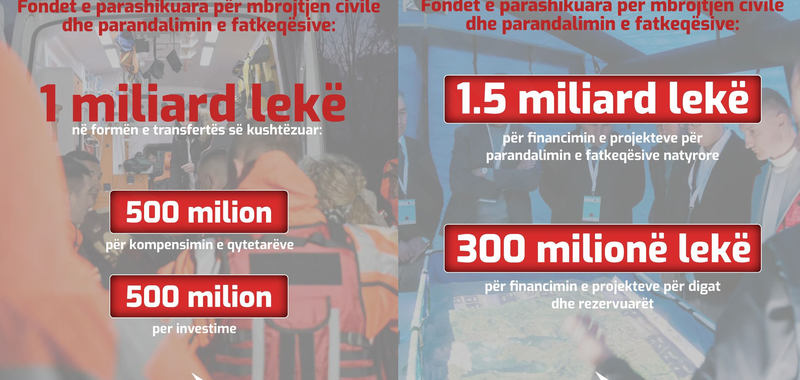
Consequences of the floods, Rama: 500 million lek for compensation of citizens
In a post on social media, Prime Minister Edi Rama has published the figures of budgetary funds in response to the flooding situation of recent days. In his......
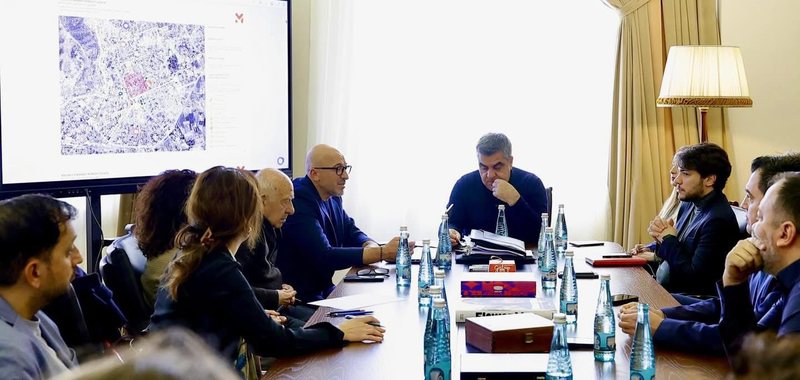
Blendi Gonxhja: Work begins on the renaissance of the Elbasan Castle! The first step towards the transformation of a historic neighborhood!
The first working meeting for the Initial Analysis of the Kala neighborhood of Elbasan was held today at the Ministry of Tourism, Culture and Sports, where......
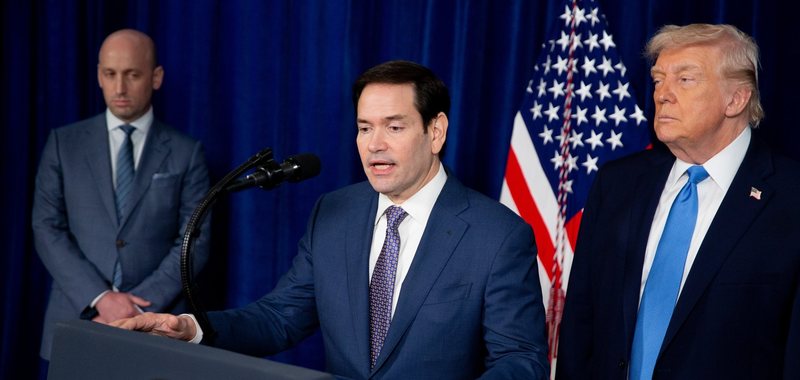
"You must be careful": Trump threatens Cuba, imposes ban on hydrocarbon imports from Venezuela
For years, Cuba has functioned as a security services ally for Venezuela. In exchange, the communist-ruled country benefited from cash and hydrocarbons. In......
How should Albanian employers change their mindset? - Muça: The employee should be treated as a partner, not simply as a source of work
In 2026, the main challenge for Albanian employers is no longer just finding staff, but keeping them engaged, motivated and productive. Employment expert......