Is Iran using crypto to bypass sanctions? - According to experts, the use has increased significantly since the start of the war

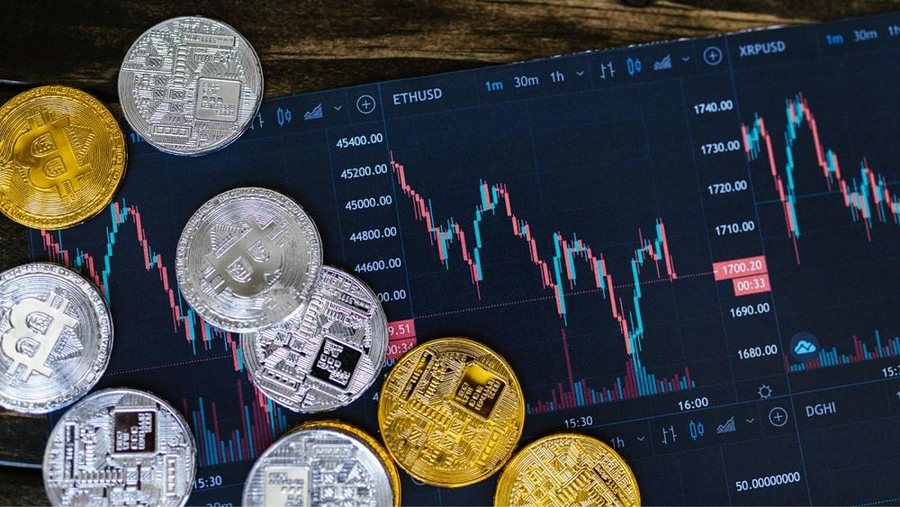
Since the start of the war, the flow of cryptocurrencies into Iran has increased significantly. Experts say the digital currencies are being used to circumvent sanctions on Iran’s Revolutionary Guard and provide a financial lifeline for civilians battered by soaring inflation.
Cut off from the traditional financial system by international sanctions for decades, Iran has long used cryptocurrencies as an alternative channel to sell oil and finance allied armed groups, such as the Houthi rebels in Yemen, according to U.S. authorities.
But the use of cryptocurrencies has intensified in the current crisis. In a particularly large move, more than $10 million in cryptocurrencies left Iranian exchange platforms between February 28, the first day of the Israeli-American airstrikes, and March 2, according to data analysis firm Chainalysis. By March 5, nearly a third of those funds had been transferred to foreign exchanges.
According to Chainalysis, several digital wallets used during this surge in cryptocurrency activity are directly linked to the Revolutionary Guard. Last year, wallets linked to the Guard were funded with over $3 billion in cryptocurrency, representing more than half of the flow into the country.
But which cryptocurrency is preferred in Iran? The Revolutionary Guard and the Iranian central bank favor “stablecoins,” or digital currencies generally pegged to the dollar, in an effort to avoid volatility. Civilians are turning en masse to bitcoin, the world’s leading cryptocurrency, which can be withdrawn from platforms and stored in personal wallets.
In a country where inflation was nearly 50% before the conflict began, cryptocurrencies are acting as a “lifeline” for the population in the face of the collapse of the national currency.
The CEC spent 2.96 billion lek in 2025 - The funds covered the parliamentary and partial elections
The Central Election Commission has submitted to the Parliament the report for 2025. The analysis of this document shows that the election year brought a......

How did this week end for the major currencies?
The US dollar closed positively after increasing in value compared to the previous day, being bought this morning at 82.7 lek and being sold at 83.7 lek......

14 thousand new vehicles in February - Car imports, which dominates the Albanian market?
The domestic vehicle market is reflecting a steady growth in both the number and diversity of vehicles circulating on Albanian roads. According to official......
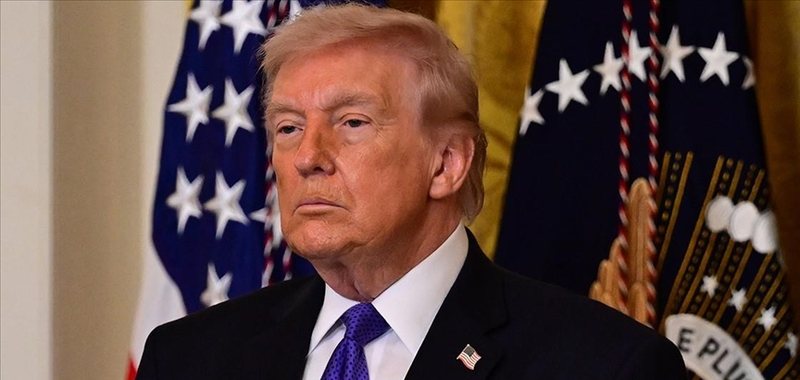
Trump "tolerates" Iran again - Gives it 10 days to reopen Hormuz, or attacks on power plants
US President Donald Trump said he will again extend the deadline for Iran to reopen the Strait of Hormuz, or face the destruction of its power plants. The......
How much will the conflict affect the global economy? - OECD: It is expected to slow down by 0.4% in 2026
Escalating conflict in the Middle East has pulled the global economy off a stronger growth path, the OECD warned, while a near-total disruption to energy......
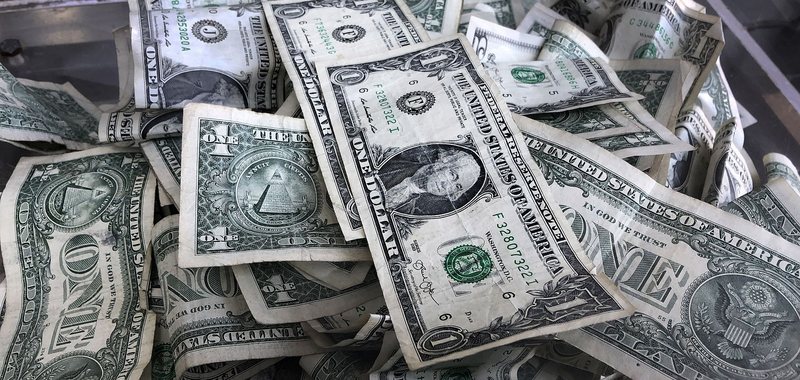
Dollar with Trump's signature - The first time a sitting president signs a banknote
The U.S. dollar bill will bear the signature of President Donald Trump starting this summer, the first time a sitting president has signed U.S. currency, the......
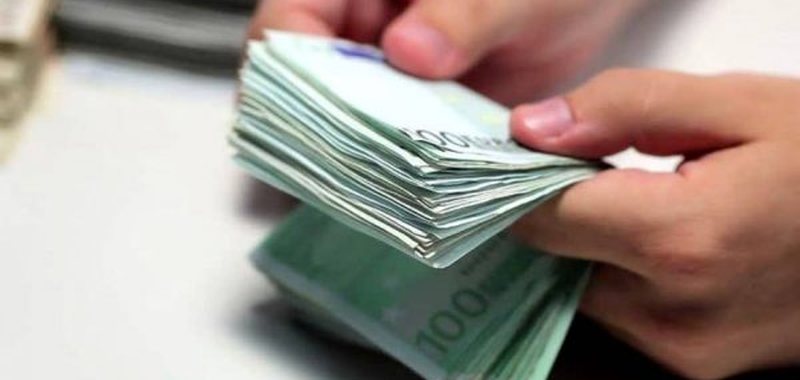
Greece increases the minimum wage again - On April 1, it will go to 920 euros, compared to the current 880 euros
Greece will raise the gross monthly minimum wage by 4.5% from April 1, the sixth increase in four years, as it seeks to restore living standards hit by a......

How will online betting be organized? - Licensing criteria for companies, only 10 licenses approved
The government has officially given the green light to the implementation of the law on online sports betting. The decision approved by the Council of......