Tokio, Rama në Universitetin e Kombeve të Bashkuara: Shqipëria në fazën më konkrete të anëtarësimit në BE

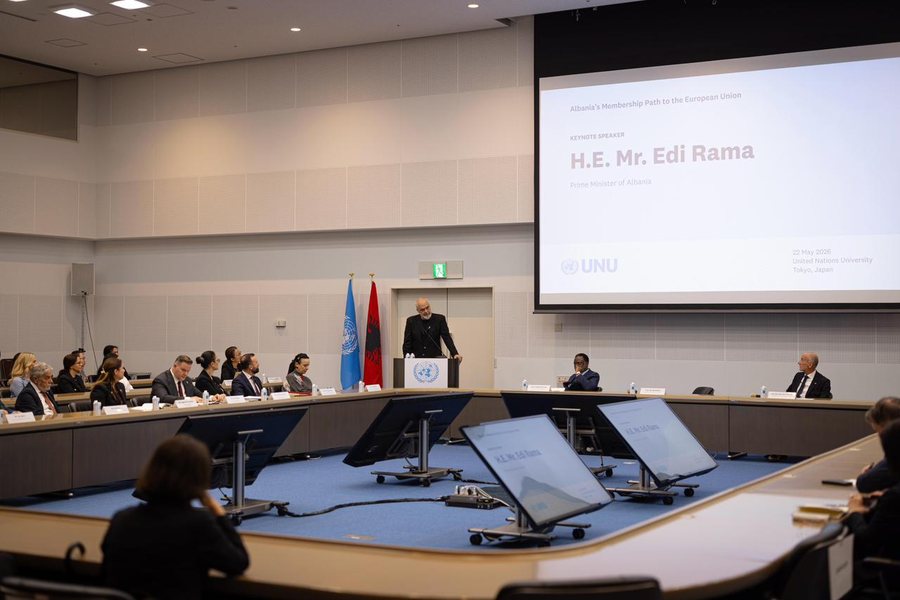
Kryeministri Edi Rama, mbajti një leksion të posaçëm në Universiteti i Kombeve të Bashkuara, ku para auditorit të përbërë nga studentë, staf akademik, ambasadorë, përfaqësues diplomatikë, zyrtarë japonezë, shoqëri civile dhe komuniteti shqiptar në Japoni, paraqiti rrugëtimin e Shqipërisë nga izolimi komunist drejt integrimit europian dhe forcimit të rolit të saj si aleate e besueshme euroatlantike.
Në fjalën e tij, Kryeministri Rama theksoi se Shqipëria ndodhet në fazën më konkrete të procesit të anëtarësimit në Bashkimin Europian, duke e cilësuar integrimin europian jo thjesht si një proces teknik apo politik, por si “një zgjedhje qytetërimi” dhe një projekt transformues për shtetin dhe shoqërinë shqiptare.
***
Kryeministri Edi Rama: I nderuar rektor, profesor Marwala,
Të nderuar, shkëlqesi; ambasador Paquet,
I dashur, Jean Rique,
Zonja dhe zotërinj dhe të dashur studentë!
Është kënaqësi e vërtetë që gjendem sot këtu në ‘’Universitetin e Kombeve të Bashkuara’’ në Tokio, një qytet i çili mishëron diçka që Europa, Azia dhe bota në të vërtetë, kanë nevojë më shumë se kurrë, aftësinë për të kombinuar kujtesën me novacionin, traditën me transformimin, durimin me ambicien dhe po, sovranitetin me rendin shumëpalësh.
Unë vij nga një vend që për dekada të tëra, njihej si ‘’Koreja e Veriut’’ e Europës, një vend i izoluar nga jeta e këtij planeti që pretendonte se s'kishte Lindje e Perëndim por vetëm Shqipëria kundër botës, një vend ku shteti bëri të pamundurën për të izoluar jo vetëm kufijtë, por edhe mendjet. Nuk kishim fronte të tjera përveç njërit, Kinën e Maos dhe urrejtjen e revolucionit kulturor.
Fryma e errët e revolucionit kaloi kontinentin dhe gjeti strehë në tokën tonë. Intelektualët u shndërruan në objektiva. Mendimi i lirë u shndërrua në herezi dhe e shkuara u bë diçka për t'u asgjësuar ndërkohë që ardhmja u shndërrua në një burg i maskuar si një strehë.
Në fakt, është historia që ndodh kur zëvendësohet arsyeja dhe kur izolimi zëvendëson bashkëpunimin. Ja pse kur komunizmi ra, shqiptarët bënë një zgjedhje që nuk ishte vetëm politike, ishte ekzistenciale. Zgjodhën demokracinë, hapjen, lidhjen Transatlantike që është Europa. Për ne integrimi europian nuk ka qenë kurrë një proces burokratik a negociatë teknike. E as ka qenë aksesi në një bankomat. Është një aspiratë kombëtare, një zgjedhje qytetërimi, një angazhim për t'i përkitur plotësisht një familjeje kombesh demokratike që besojnw në paqe, liri, demokraci dhe sundimin e së drejtës.
Shqipëria sot është më afër se kurrë me Bashkimin Euopian dhe nuk e kemi parë kurrë të jetë kaq konkrete, kaq reale në asnjë moment të historisë sonë moderne. Në vijim të çeljes së negociatave për anëtarësim dhe përparimin e shpejtë përmes grup -kapitujve, kemi hyrë në fazën vendimtare të rrugëtimit tonë europian dhe javën e ardhshme, do të kemi një konferencë kyçe ndërqeveritare me Bashkimin Euopian që i jep fill një faze të re të mbylljes së kapitujve dhe të përmbylljes së negociatave brenda një viti e gjysmë.
Rruga përpara mbetet shumë kërkuese, tejet sfiduese, por kurrë nuk kemi qenë më të vendosur dhe kurrë madje as kemi imagjinuar e jo më të mendojmë një plan B përveç Bashkimit Europian, sepse jemi të bindur që nuk ka plan B përkundrejt lirisë, nuk ka plan B kundrejt shtetit të së drejtës dhe nuk ka plan B kundrejt demokracisë. Anëtarësimi në Bashkimin Europian është pikërisht kjo; nuk ka të bëjë me hyrjen në një organizatë, por ka të bëjë me transformimin e shoqërisë nga brenda, ndërtimin e institucioneve që s'kemi patur kurrë, forcimin e shtetit të së drejtës, modernizimin e administratës publike, luftën kundër korrupsionit e krimit të organizuar, e krijimin e një shteti që iu shërben qytetarëve, në vend që qytetarët t'i shërbejnë shtetit dhe përtej gjithçkaje, që t'i japim vetes një vend në një hapësirë ku liria, siguria dhe bashkëpunimi, janë vlerat e parimet themelore të bashkekzistencës.
Një prej kapitujve më të thellë të rrugëtimit tonë drejt kësaj ambicieje ka qenë reforma jonë në drejtësi, një prej reformave më të thella e të vështira që ka ndërmarrë ndonjëherë Shqipëria, jo sepse ndryshimi i ligjeve është i vështirë, të ndryshosh ligje është e lehtë dhe në Shqipëri është më e lehtë sesa në Japoni me që ra fjala, të ndryshosh ligje. Të ndryshosh zakonet, të ndryshosh pritshmëritë dhe të ndryshosh sisteme të ngërthyera, është e vështirë, por reformat që kanë peshë, kurrë nuk janë të lehta. Reformat që janë të lehta, kurrë nuk kanë peshë.
Sot rrugëtimi europian mbetet motori më i fuqishëm i transformimit që ka në dispozicion Shqipëria dhe unë gjithmonë e përsëris, se ajo çfarë e bën Shqipërinë të ketë një shans shumë real dhe jo vetëm Shqipëria, por edhe Ballkani Perëndimor, krahasuar me Afganistanin, krahasuar me Irakun, krahasuar me vende të tjera, ku premtimi i Perëndimit kolektiv ishte të sillte liri e demokraci, por rezultati nuk ishte i tillë, është pikërisht ndryshimi midis të pasurit ose jo, të Bashkimit Europian si destinacion e si një bashkudhëtar në këtë rrugëtim. Bashkimi Europian është burimi më i jashtë zakonshëm i dijes për shtet ndërtimin që ka krijuar ndonjëherë njerëzimi dhe transferimi i kësaj dijeje, është ajo çfarë ata bëjnë më mirë.
Agresioni rus kundër Ukrainës i kujtoi Europës diçka që për fat të keq, shumë kishin nisur ta merrnin të mirëqenë, sepse për herë të parë në historinë e vet, Europa pati një brez që nuk pa asnjë luftë.
Kështu që vetëkënaqësia u bë pjesë e mënyrës së jetesës në Bashkimin Europian, ku paqja në një farë mënyre merrej si e mirëqenë dhe e vetëqëndrueshme, ku demokracia shihej si e pakthyeshme dhe siguria në fakt nuk mund të jashtë kontraktojë historinë. Në këtë kuadër integrimi i plotë i Ballkanit Perëndimor dhe i Shqipërisë në këtë rast në BE, nuk është thjesht një kërkesë e jona apo kërkesë e rajonit. Është nevojë strategjike dhe për vetë Europën sepse e ardhmja e Europës nuk mund të jetë e plotë, ndërkohë që një rajon rrethuar tërësisht nga Bashkimi Europian, që në kufij të mbetet jashtë ‘’arkitekturës’’ politike të Bashkimit Europian.
Shqipëria ka dëshmuar që jo vetëm është partnere e qëndrueshme dhe e besueshme, por edhe që e do kaq shumë Bashkimin Europian që asgjë nuk ia ndryshon mendjen. Ne duam ‘’të martohemi’’, këmbëngulim dhe ‘’do të martohemi’’. Jemi plotësisht të linjëzuar me politikën e jashtme të sigurisë së Bashkimit Evopian.
Jemi një aleat i përkushtuar i NATO-s. Jemi thellësisht të lidhur me marrëdhënien transatlantike që ka garantuar lirinë e stabilitetin e Europës për breza të tërë, sepse edhe pse Bashkimi Europian është destinacioni ynë, marrëdhënia transatlantike është spiranca mbi të cilën mbështetet kjo marrëdhënie. Ndërkohë që busulla jonë strategjike çon drejt Europës, kurioziteti dhe partneriteti ynë shtrihet shumë përtej Europës. Kjo më sjell këtu në Azi, sepse ka kaq shumë që gjithkush mund të mësojë nga Azia, ka kaq shumë që Europa mund të mësojë nga Azia; transformime të jashtëzakonshme gjatë kësaj gjysmës së fundit të shekullit dhe ka kaq shumë që edhe Ballkani Perëndimor mund të mësojë.
ASEAN-i ofron një mësim veçanërisht të çmuar; anëtarët e organizatës kanë një origjinë sisteme politike, kulturë, histori shumë të ndryshme, por kanë kuptuar diçka thellësisht të rëndësishme: Bashkëpunimi nuk kërkon uniformitet, marrëdhëniet njësore nuk kërkojnë të jesh njësoj, përparimi nuk arrihet duke eliminuar ndryshimet, por duke i shkrirë në mënyrë inteligjente e duke i përdorur ato si forca ekuilibruese për një rajon si Ballkani Perëndimor, me një histori që shpesh ka qenë më e dukshme sesa e ardhmja, mençuria e këtij rajoni mban vlerë shumë të veçantë. ASEAN-i na mëson që besimi mund të ndërtohet gradualisht, që prosperiteti mund të krijojë stabilitet dhe se fqinjët nuk kanë nevojë të bien dakord për çdo gjë, që të ecin përpara së bashku.
Ky është një mësim që vlen të mbahet mend jo vetëm në Ballkan, por gjithmonë e më tepër në shumë anë të botës dhe në qoftë se ASEAN ofron mësime në bashkëpunimin rajonal, Japonia ofron mësime në diçka edhe më të jashtëzakonshme për fuqinë e qëndresës: Pak kombe kanë përjetuar shkatërrim të tillë e kanë arritur një rimëkëmbje të tillë. Pak kombe kanë dëshmuar kaq kapacitet, aftësinë për ta transformuar tragjedinë në forcë, mungesën në novacion dhe kundërshtinë në ekselencë.
Në fakt madhështia nuk matet me mungesën e sprapsjeve, por me aftësinë për t'u ngritur pas tyre. Për Shqipërinë, Japonia ka qenë shumë më tepër sesa vetëm një partner zhvillimor, ka qenë një mik i besuar dhe dua të sjell në kujtesë këtu, që në vijim të tërmetit shkatërrues të 2019-s, Japonia qëndroi krah nesh dhe kurrë nuk do ta harrojmë këtë gjë.
Shumë profesionistë shqiptarë, nëpunës publikë, ekspertë kanë përfituar nga trajnimet dhe programet e formuese të Japonisë, por në një vend që po kalon transformim të thellë, kapitali njerëzor është ndoshta kapitali më i rëndësishëm nga të gjithë, por ajo çfarë e bën Japoninë të paçmuar për ne, është fuqia e shembullit të saj si burim frymëzimi i pashtershëm.
Në disa mënyra, Japonia është bërë një partner i tërthortë, por i rëndësishëm në rrugëtimin evropian të Shqipërisë, sepse integrimi evropian nuk ka të bëjë vetëm me negocimin e kapitujve dhe transferimin nga atje në vendin tonë të korpusit ligjor europian, por ka të bëjë me ndërtimin e institucioneve për të rritur standardet, qëndresën; ka të bëjë me zhvillimin e një kulture ekselence dhe të gjitha këto, janë fusha ku Japonia, mbështetja e saj, është shumë e vlefshme. Ajo çfarë e bën veçanërisht kuptimplotë marrëdhënien tonë, është që pavarësisht kufijve gjeografikë që ndajnë vendet tona, ne ndajmë bindje shumë të ngjashme: Një besim në bashkëpunimin ndërkombëtar, respektim për institucionet demokratike, përkushtim ndaj stabilitetit, besim në arsim, besim në novacion dhe ndoshta mbi të gjitha, një bindje se suksesi afatgjatë ndërtohet me durim e këmbëngulje, më shumë sesa me rrugë të shkurtra.
Në një botë që karakterizohet gjithmonë e më tepër me polarizim, fragmentarizim e padurim, këto vlera janë shndërruar në asete strategjike. Ja pse institucione si universiteti i “United Nations’’ janë kaq të rëndësishme, sepse në fund të fundit integrimi nuk është vetëm institucional, është intelektual, është kulturor, është njerëzor.
Urat e njohurisë rezultojnë më të qëndrueshme sesa ato të çelikut dhe bashkëbisedimet midis shoqërive shpesh shkojnë përtej marrëveshjeve midis qeverive. Pra, ne jemi thellësisht të angazhuar ndaj integrimit në Bashkimin Evopian dhe Shqipëria sot, bazuar në barometrin evopian, jo çfarë mendoj unë, është shoqëria më proeuropiane e kontinentit dhe ju kam thënë, jemi të dashuruar. Kështu që nga ‘’Koreja e Veriut’’ e Europës në një vend kandidat për në BE dhe aleat i NATO-s, në harkun e një jete të jetuar, është diçka mjaft e rëndësishme dhe nga hijet e revolucionit kulturor, te vlerat e Europës demokratike; nga një vend që dikur i trembej botës, në një vend të vendosur për të kontribuar për botën, është vërtetë diçka e ky rrugëtim na ka mësuar diçka të thjeshtë, shumë të thjeshtë, por të rëndësishme. Historia mund të formësojë një komb, por nuk duhet të përkufizojë fatin e tij dhe Japonia është ndoshta shembulli më i shkëlqyer i kësaj.
Isha mjaft i vetëdijshëm që duhet ta mbaja këtë fjalë të premten dhe e premtja është shumë ‘’e rrezikshme’’ për të mbajtur fjalime sepse të gjithë mezi presin të largohen nga ndërtesa në vend që të dëgjojnë leksion. Bëra maksimumin që të jem serioz siç pritet një lektor, por edhe të mos iu jap leksione siç nuk e prisnit.
Kështu që këtu i përmbyll komentet e mia dhe natyrisht, do të jem më se i lumtur t'i përgjigjem çdo pyetjeje që ju keni e me shumë kënaqësi do t'ju ftoja të gjithëve, ju japonezëve që jeni këtu të vini e të vizitoni vendin tonë.
Më vjen keq që nuk ia dolëm të sillnim ca diell në Tokio, sepse kemi shumë diell në shtëpi, kështu që ejani ta shijoni. Ndërsa ushqimi juaj nuk ka të dytë, po sërish ne kemi ushqimin më të mirë në Ballkanin Perëndimor dhe natyrisht ambasadori e kupton, e di shumë mirë këtë edhe pse nuk do ta thotë me zë të lartë. Pra, faleminderit shumë. Është kënaqësi. Faleminderit!
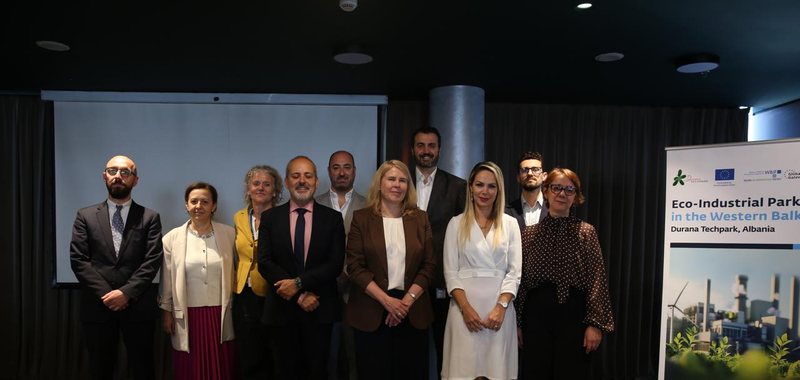
Qendër e së ardhmes, Durana Tech Park i bashkohet nismës për parqe eko-industriale në Shqipëri
Durana Tech Park, në pronësi të Korporatës Shqiptare të Investimeve (AIC), i është bashkuar rrjetit të lokacioneve pilote në Ballkanin Perëndimor në kuadër......
Librazhdi drejt transformimit, Mariglen Disha: Ja 3 projektet e zhvillimit të turizmit malor
Kryebashkiaku i Librazhdit, Mariglen Disha ka zbuluar projektet kryesore që pritet të ndryshojnë rrënjësisht qytetin dhe zonat përreth. Sipas tij fokusi......
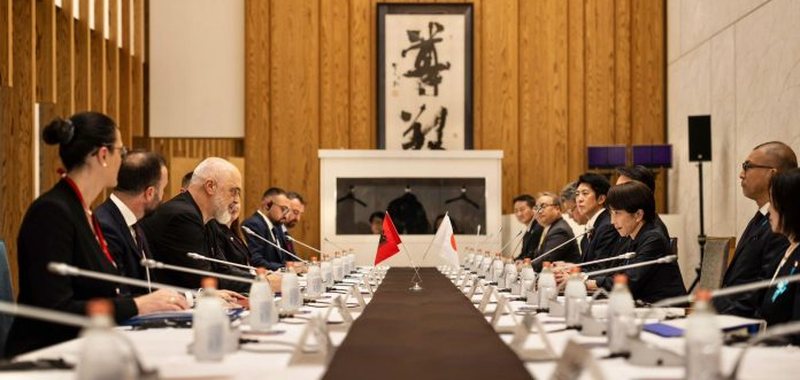
‘Shqipëria është një aleate e çmuar’ - Takaichi: Synojmë zgjerimin e bashkëpunimit në disa fusha
Kryeministrja e Japonisë, Sanae Takaichi, vlerësoi marrëdhëniet mes Japonisë dhe Shqipërisë gjatë takimit me kryeministrin shqiptar Edi Rama në Tokio, duke......
Energjia në fokus të sigurisë kombëtare - Hima: Mbrojtja kibernetike e rrjeteve është jetike
Siguria e furnizimit me energji elektrike po merr gjithnjë e më shumë rëndësi në kuadër të sigurisë kombëtare, duke kërkuar masa të koordinuara për mbrojtjen......
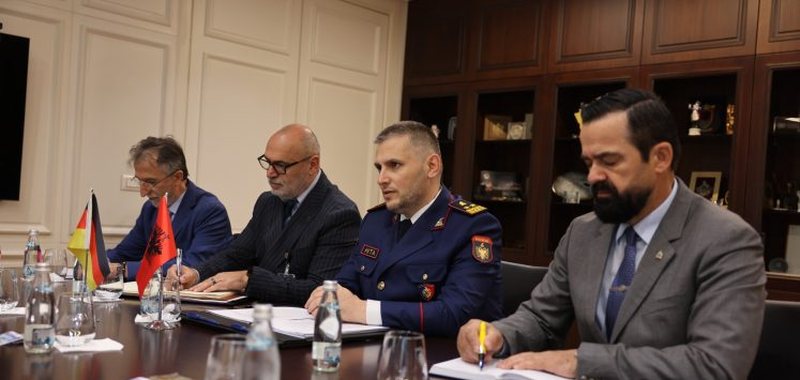
Lufta ndaj rrjeteve kriminale hyn në një fazë të re - Gjermania rrit mbështetjen për Policinë e Shtetit
Forcimi i partneritetit në luftën kundër krimit të organizuar dhe rritja e mbështetjes për strukturat hetimore shqiptare ishin në qendër të një takimi të......
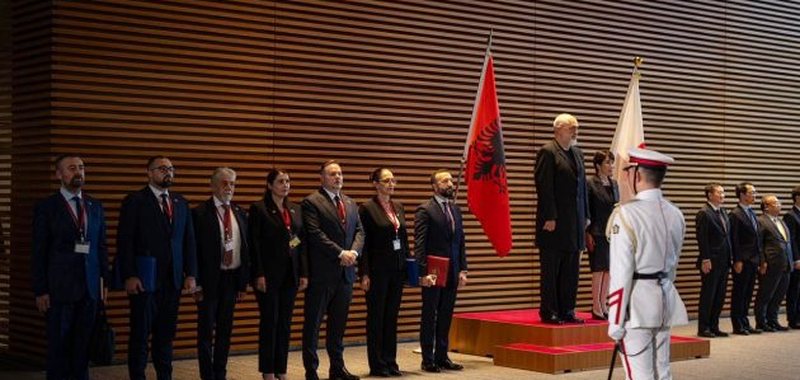
Rama në Tokio: Shqipëria synon të thellojë partneritetin me Japoninë, ftesë për samitin e NATO-s në Tiranë
Kryeministri Edi Rama u prit me nderime shtetërore në Tokio gjatë vizitës së tij zyrtare në Japoni, ku zhvilloi një takim me homologen japoneze, Sanae......
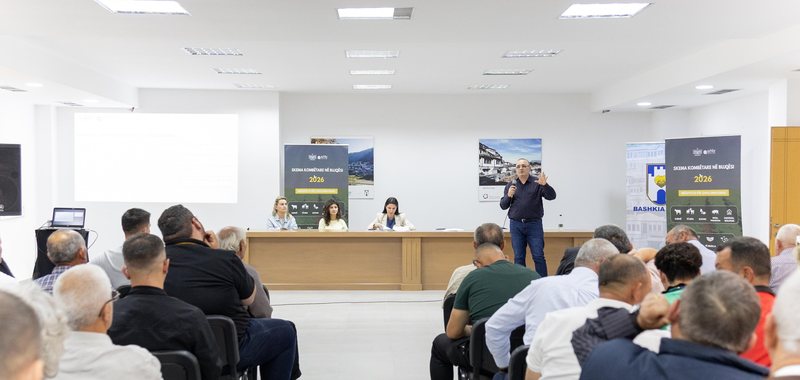
Skema Kombëtare e Mbështetjes 2026 nis më 25 maj - AZHBR informon fermerët për kushtet e aplikimit
Fermerët do të kenë mundësi të aplikojnë për përfitimin e subvencioneve nga Skema Kombëtare e Mbështetjes 2026 duke filluar nga data 25 maj. Në prag të......
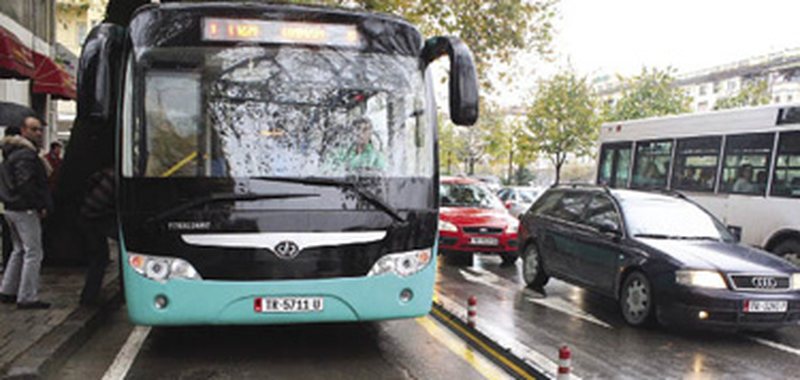
Karakaçi: Mbështetja për transportin do të vijojë, në qershor rishikohen efektet e çmimeve të karburanteve
Ministri i Infrastrukturës dhe Energjisë, Enea Karakaçi, deklaroi se qeveria mbetet e angazhuar për të mbështetur operatorët e transportit, ndërsa në javët e......