Salla: Model i ri bashkëpunimi me gjashtë bashki për mbrojtjen e masiveve me gështenja

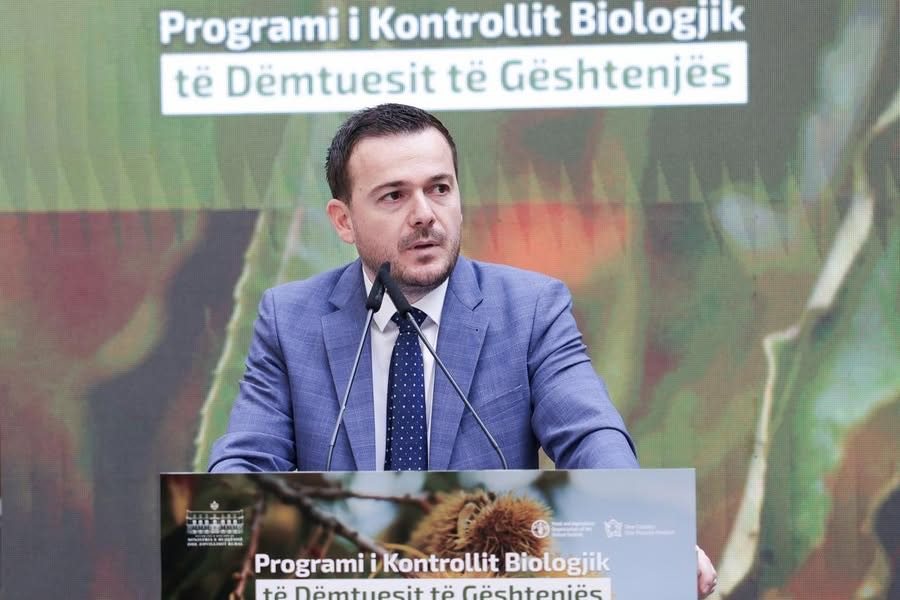
Ministri i Bujqësisë dhe Zhvillimit Rural, Andis Salla firmosi sot marrëveshjet e bashkëpunimit me bashkitë Shkodër, Tropojë, Malësi e Madhe, Pukë, Fushë-Arrëz dhe Vau i Dejës, për zbatimin e programit të kontrollit biologjik të dëmtuesit të gështenjës.
Në ceremoni morën pjesë ministri i Shtetit për Pushtetin Vendor, Ervin Demo, si dhe përfaqësues të FAO-s.
Marrëveshja formalizon bashkëpunimin mes MBZhR-së dhe pushtetit vendor për zbatimin e projektit “Përmirësimi i prodhimit të qëndrueshëm të gështenjës në Shqipëri përmes kontrollit biologjik të insekteve dëmtuese”, duke përcaktuar kuadrin institucional për mbrojtjen dhe zhvillimin e këtij sektori.
“Po ndërtojmë një model të ri bashkëpunimi mes qeverisjes qendrore dhe pushtetit vendor për të mbrojtur një aset si masivet e gështenjës, që sot shtrihen në rreth 10 mijë hektarë dhe përbëjnë burim të rëndësishëm të ardhurash për zonat veriore”, u shpreh ministri Salla.
Masivet e gështenjës në veri të vendit po përballen me kërcënimin e grerëzës aziatike të gështenjës (Dryocosmus kuriphilus), një dëmtues që mund të shkaktojë humbje prodhimi.
Pas suksesit të pilotimit në Tropojë, ku u ngrit laboratori i parë fushor për rritjen e insekteve të dobishme që parazitojnë dëmtuesin, programi tashmë do të shtrihet në bashkitë e tjera me sipërfaqe të konsiderueshme gështenjash.
“Me zgjerimin e modelit të suksesshëm të Tropojës, duke luftuar në mënyrë biologjike dëmtuesin e grerëzës aziatike, synojmë të mbrojmë prodhimin, të forcojmë kapacitetet vendore dhe të garantojmë qëndrueshmëri afatgjatë për këtë sektor,” theksoi ai.
Kontrolli biologjik i aplikuar konsiderohet një zgjidhje miqësore me mjedisin dhe me kosto efektive, e cila do të ndikojë drejtpërdrejt në shëndetin e masiveve të gështenjës dhe në të ardhurat e fermerëve të vegjël, për të cilët grumbullimi dhe shitja e frutit përbën një burim kryesor jetese.
Programi parashikon ngritjen e laboratorëve rajonalë për shumimin dhe shpërndarjen e agjentëve biologjikë, angazhimin e bashkive me ambiente dhe staf teknik për monitorimin në terren, si dhe mbështetje teknike nga FAO përmes trajnimit të ekspertëve vendas dhe ndërkombëtarë. Procesi synon rikuperim gradual të prodhimit, me rezultate të pritshme pas vitit të katërt dhe rikthim të plotë brenda 8–10 viteve nga ndërhyrja.
Ky bashkëpunim zhvillohet në kuadër të nismës globale të FAO-s “Një vend, një produkt prioritar” (OCOP), që synon promovimin e produkteve bujqësore me vlerë strategjike dhe forcimin e zhvillimit të qëndrueshëm rural.
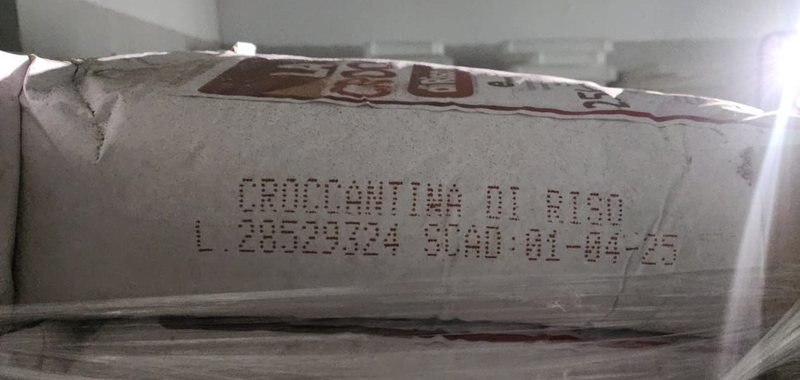
Drejtoria e Përgjithshme e Doganave: Bllokohet mbi 7500 kg miell jashtë afateve të përdorimit!
Dega e Doganës Durrës,njofton se gjatë kontrollit fizik në ambientet e një subjekti tregtar, i pajisur me autorizim për përdorimin e Regjimit të Përpunimit......
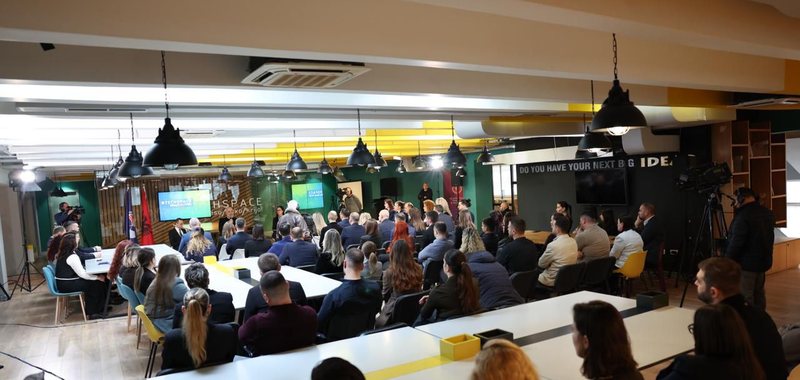
“Diella do të shkojë në një nivel tjetër” - Rama prezanton drejtuesin e ri të AKSHI-t, premton rritje pagash për punonjësit
Kryeministri Edi Rama prezantoi Igli Tafën si drejtuesin e ri të AKSHI-t. Në fjalën e tij, kryeministri vlerësoi punën e ekspertëve që punojnë në Agjencinë......

Gjermanët, 40 mln euro kredi për Fierzën - Nevoja për rehabilitim, ndërhyrjet do i zgjatin “jetën” hidrocentralit me 30 vjet
Qeveria do të marrë 40 mln euro kredi për rehabilitimin e hidrocentralit të Fierzës, një nga veprat më të rëndësishme elektroenergjetike në vend. Në Kuvend......

A ka shkelje nga të huajt e punësuar në shtëpi? - Muçaj: Inspektoriati i Punës nuk ka tagër të inspektojë në banesë
Punësimi i punëtorëve të shtëpisë në Shqipëri po hyn për herë të parë në një kornizë të qartë ligjore, duke synuar formalizimin e një sektori që prej vitesh......

Ku janë 98 zonat me përparësi zhvillimi? - 15 bashki përcaktojnë territoret ku do investohet, 108 mijë hektarë në dispozicion
Një sërë bashkish në Shqipëri kanë shpallur zonat me përparësi zhvillimi, të cilat janë miratuar nga qeveria, në kuadër të zbatimit të “Paketës së Maleve”,......

Mineralet dhe fasoneria, “kundër” eksporteve/ Tregtia e jashtme e nisi vitin 2026 me rënie edhe për importet
Tregtia e jashtme e ka nisur vitin 2026 me rënie tregojnë të dhënat më të fudnit nga INSTAT. Sipas publikimit, në janar eksportet e mallrave arritën vlerën......

Kryeministri Edi Rama prezanton Drejtorin e ri të Agjencisë Kombëtare të Shoqërisë së Informacionit, Igli Tafa
Kryeministri Edi Rama ka prezantuar drejtuesin e ri të Agjencisë Kombëtare të Shoqërisë së Informacionit (AKSHI), Igli Tafa. Ndër të tjera, kreu i......

“Vonesa e euros digjitale dëmton Evropën” - Zv/kancelari gjerman, Klingbeil: Është e rëndësishme për sovranitetin e kontinentit
Zëvendëskancelari dhe ministri gjerman i Financave, Lars Klingbeil, ka deklaruar se duhet të avancohet me euron digjitale, pasi vonesat po dëmtojnë......