Shtrenjtimi i karburanteve në rajon - Çfarë masash po marrin vendet për frenimin e çmimeve?

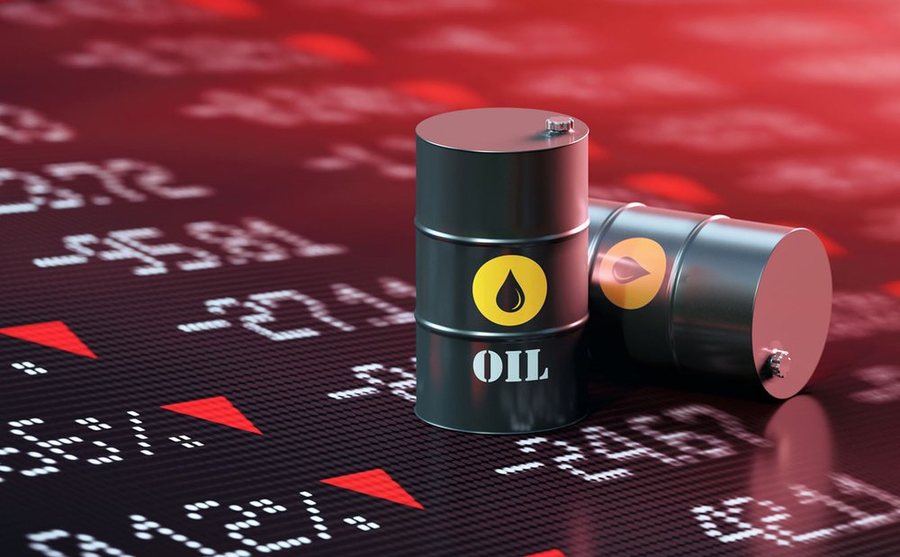
Ndërsa konflikti në Lindjen e Mesme po shkakton paqëndrueshmëri në tregjet globale të naftës, duke ngritur shqetësime mbi inflacionin dhe presionin ekonomik mbi familjet dhe bizneset, vendet në Evropën Juglindore (EJL) po miratojnë qasje të përziera për të parandaluar një rritje të ndjeshme të çmimeve të karburantit.
Për të parandaluar rritjet drastike të çmimeve të karburantit, Sllovenia në fillim të kësaj jave vendosi të ulë akcizat mbi karburantet, ndërsa Kroacia vendosi një tavan për çmimet me pakicë të derivateve të naftës dhe për akcizat mbi produktet e energjisë dhe energjinë elektrike.
Gjithashtu këtë javë, qeveria në Serbi ndaloi eksportet e naftës së papërpunuar, benzinës dhe naftës bruto deri më 19 mars, kur do ta rivlerësojë masën. Presidenti Aleksandar Vuçiç ka thënë se qeveria mund të ulë edhe akcizën e karburantit në vijim dhe se vendi ka rezerva të mjaftueshme si të naftës ashtu edhe të benzinës për të përmbushur nevojat e konsumatorëve për rreth 90 ditë. Serbia importon naftë bruto kryesisht nga Kazakistani, por edhe nga Nigeria.
Qeveria në Moldavi javën e kaluar shpalli një gjendje gatishmërie 60-ditore në sektorin e energjisë, duke përfshirë kufizime të përkohshme në eksportin e produkteve të naftës. Moldavia është shumë e varur nga importet e benzinës dhe naftës, pasi pothuajse e gjithë benzina dhe pjesa më e madhe e naftës importohen, me Rumaninë si furnizuesin e saj kryesor. Moldavia ka rezerva nafte për rreth 12 ditë, ndërsa furnizimet me benzinë zgjasin mbi 20 ditë konsumi.
Ndërkohë, në Rumani, qeveria po shqyrton rifillimin e operacioneve në rafinerinë Petrotel, e cila është në pronësi të grupit rus Lukoil, i sanksionuar nga SHBA-të, dhe do të jetë në gjendje të rafinojë deri në 20% të naftës së përpunuar në vend, për të rritur prodhimin e karburantit dhe frenuar rritjen e çmimeve.
Rumania ka rezerva strategjike dhe teknike të karburantit, që tejkalojnë 3 milionë ton, të cilat mund të mbulojnë konsumin e brendshëm për afërsisht pesë muaj. Rumania mbështetet në importet e naftës, pasi gati një e treta e konsumit të saj vjetor plotësohet nga importet, kryesisht nga Turqia dhe Arabia Saudite.
Në Bullgari, e cila importon pjesën më të madhe të naftës bruto sipas një kontrate afatgjatë me çmim të fiksuar me Azerbajxhanin, zyrtarët kanë thënë se sasitë e disponueshme të karburanteve motorike dhe të lëndëve të para për prodhimin e karburantit mund të plotësojnë konsumin në vend.
Autoritetet në Shqipëri, Bosnjë dhe Hercegovinë, Mal të Zi, Maqedoni të Veriut dhe Kosovë po e monitorojnë kryesisht situatën, pasi nuk priten mungesa të karburantit apo ndërprerje të mëdha, me disa nga vendet që mund të marrin masa të tilla si ulja e akcizës nëse situata përkeqësohet.
Analistët nga ING Bank kanë thënë se rritja e çmimeve globale të naftës dhe gazit pritet të nxisë inflacionin në rajonin e EQL-së dhe të ndikojë në politikën monetare.
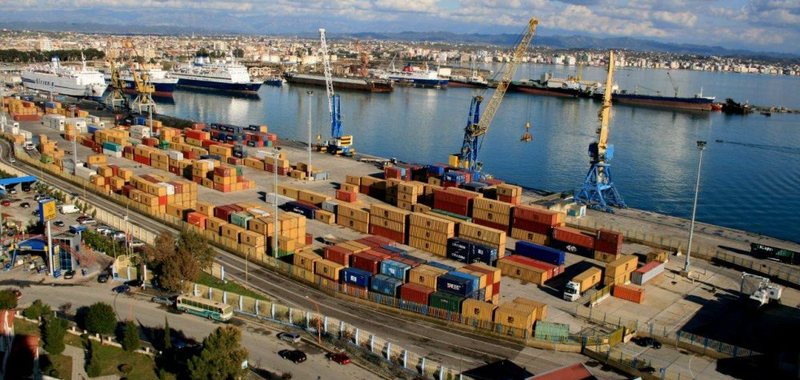
Transporti i mallrave drejt digjitalizimit - Projektligj për informacionin elektronik, në harmonizim me BE
Qeveria ka propozuar një projektligj të ri për përdorimin e informacionit elektronik në transportin e mallrave, një hap që synon modernizimin e proceseve dhe......
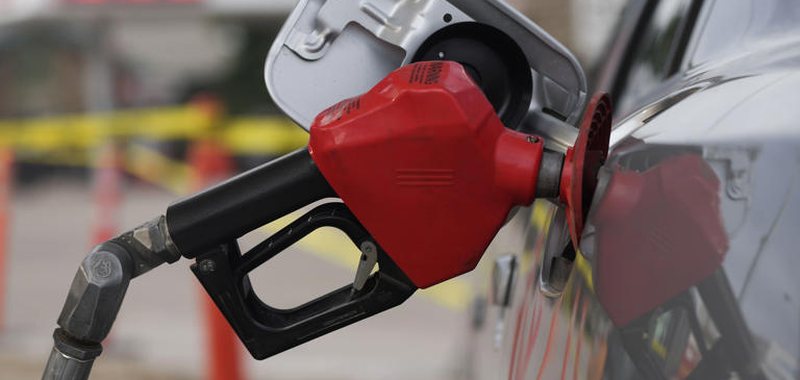
Aksion në pikat e karburanteve deri më 30 Qershor - Plani i kontrollit/ Nga çmimet, tek regjistrimi i punonjësve
Pikat e shitjes më shumicë dhe pakicë të karburanteve në të gjithë Shqipërinë do të jenë objekt i një aksioni disa mujor që synon të parandalojë abuzimet e......

Si është mbyllur kjo javë e ‘trazuar’ për valutat kryesore?
Dollari amerikan pas luhatjesh te vazhdueshme qe pësoi përgjatë kësaj kohe e ka mbyllur këtë javë pozitivisht duke u blerë sot me 83.3 lekë dhe duke u shitur......
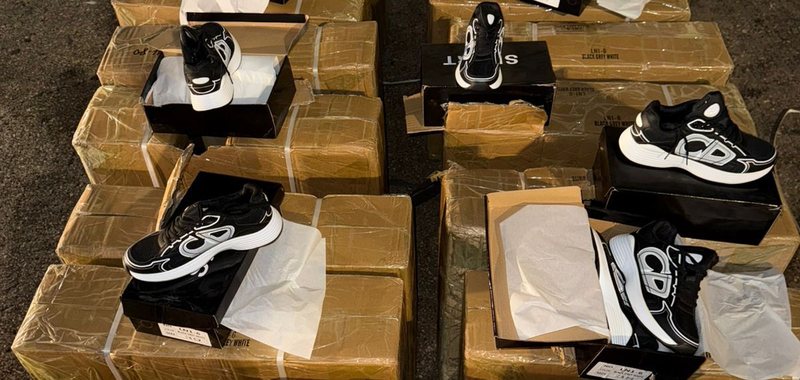
Doganat bllokojnë mallra të dyshuara për shkelje të pronësisë intelektuale
Drejtoria e Antikontrabandës dhe Drejtoria e Monitorimit, njofton se në bashkëpunim dhe koordinim intensiv me degët doganore në Kakavijë dhe në Durrës, kanë......
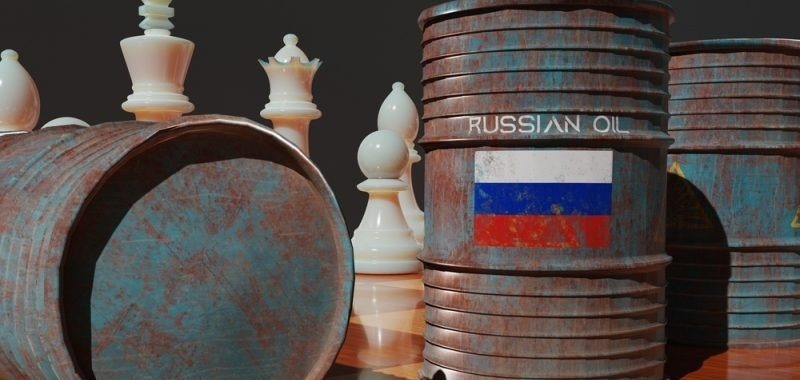
Rusia fitoi 6 mld euro nga eksportet e karburanteve fosile - Shifra i referohet periudhës 2-javore që nga fillimi i luftës në Iran
Të dhënat sugjerojnë se Rusia ka përfituar 6 miliardë euro nga shitja e lëndëve djegëse fosile në dy javët e fundit që nga fillimi i luftës SHBA-Izrael me......
SHBA “licencon” naftën ruse - Heqje 30-ditore nga sanksionet për blerjen e saj në det
Shtetet e Bashkuara vendosën një përjashtim 30-ditor për vendet që të blejnë naftë dhe produkte të naftës ruse të sanksionuara që aktualisht janë të......

Evropa e ngarkuar me borxhe - Ka më pak mundësi për të përballuar tronditjen energjetike
Rritja e çmimeve të energjisë e shkaktuar nga lufta SHBA-Izrael kundër Iranit po i vendos qeveritë evropiane nën presion për të ndihmuar familjet dhe......
BERZH, 15 mln euro investim në Malin e Zi - Kredi e garantuar sovrane për të forcuar lidhjet rajonale të energjisë
Banka Evropiane për Rindërtim dhe Zhvillim (BERZH) po ofron një kredi deri në 15 milionë euro për operatorin e sistemit të transmetimit të energjisë......