Evropa e ngarkuar me borxhe - Ka më pak mundësi për të përballuar tronditjen energjetike


Rritja e çmimeve të energjisë e shkaktuar nga lufta SHBA-Izrael kundër Iranit po i vendos qeveritë evropiane nën presion për të ndihmuar familjet dhe bizneset, por financat e tendosura në disa ekonomi të mëdha nënkuptojnë se fuqia e tyre është e kufizuar.
Franca, Greqia dhe Polonia kanë vendosur kufizime në çmimet e naftës, kufizime dhe zbritje në marzhet e fitimit, masa që vijnë me kosto të vogël për xhepin public, ndërsa Gjermania gjithashtu dëshiron të rregullojë çmimet e shitjes me pakicë. Por, këto vende mund të kenë nevojë të bëjnë më shumë në këtë drejtim.
Analistët mendojnë se, nëse do të ketë një ndërprerje për më shumë javë të furnizimeve me gaz nga Katari dhe çmimet do të rriten, qeveritë evropiane mund të ndërhyjnë dhe të rivendosin disa subvencione.
Britania ka thënë se është shumë herët për të ngrirë taksën e karburantit, ndërsa qeveria franceze ka kundërshtuar thirrjet e opozitës për të ulur TVSH. Italia po shqyrton mundësinë e përdorimit të të ardhurave nga TVSH-ja të gjeneruara nga çmimet më të larta për të financuar një ulje të akcizës së karburantit.
Dallimi nga viti 2022 është se pandemia COVID-19 dhe kriza energjetike që pasoi kanë lënë deficitet buxhetore në të gjitha ekonomitë evropiane gati 3 pikë përqindjeje më të larta se në vitin 2019.
Rritja ekonomike është më e dobët se katër vjet më parë dhe normat e interesit janë më të larta, ndërsa qeveritë evropiane tashmë po rrisin shpenzimet e mbrojtjes. Gjermania po rrit huamarrjen për një plan masiv stimulimi.
Edhe pse çmimet e naftës u rritën me 120 dollarë këtë javë, duke iu afruar kulmit të tyre të vitit 2022, situata energjetike e Evropës nuk është e njëjtë me vitin 2022. Çmimet e gazit janë rritur me mbi 50% që nga fillimi i luftës, por vetëm një e gjashta e niveleve mbi 300 euro për megavat orë që arritën atëherë. Dhe Evropa nuk po nxiton të zëvendësojë një furnizues të vetëm, siç bëri me Rusinë.
Por, nëse çmimet e larta vazhdojnë dhe qeveritë duhet të ofrojnë mbështetje, kjo mund të shtojë presionet fiskale në Francë dhe Britani, duke pasur parasysh deficitet e tyre të larta buxhetore. Duke pasur parasysh hapësirën e kufizuar për të vepruar, masat mbështetëse, të cilat qeveritë i mbajtën të gjera në vitin 2022, do të duhet të jenë të kufizuara dhe më të synuara këtë herë, thanë ekonomistët e Barclays.
Nëse Ngushtica e Hormuzit qëndron e mbyllur për më shumë se një muaj dhe ka shenja se rritja po dobësohet, BE mund t'u lejojë disa vendeve të devijojnë përkohësisht nga rregullat, tha Morgan Stanley, duke pritur që ato të shpenzojnë deri në 0.6% të prodhimit në vit për të financuar masa të synuara.
BERZH, 15 mln euro investim në Malin e Zi - Kredi e garantuar sovrane për të forcuar lidhjet rajonale të energjisë
Banka Evropiane për Rindërtim dhe Zhvillim (BERZH) po ofron një kredi deri në 15 milionë euro për operatorin e sistemit të transmetimit të energjisë......
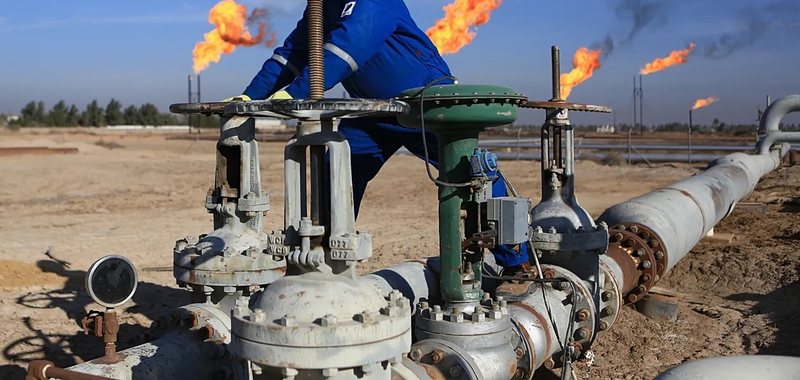
ANALIZA/Kërcënimi nga Irani, a mund të arrijnë çmimet e naftës në 200 dollarë për fuçi?
Ndërsa lufta e Iranit i afrohet afatit dy-javor, tregjet e energjisë po përgatiten për një "super-tronditje" të mundshme. IRGC-ja ka kërcënuar vazhdimisht se......
Rama: Reforma në drejtësi nuk kthehet mbrapa, Shqipëria nuk ka plan B përveç integrimit në BE
Kryeministri Edi Rama ka reaguar në platformën X lidhur me deklaratat e ambasadave të Mbretërisë së bashkuar dhe Gjermanisë, të bëra pas vendimit të Kuvendit......
Energjia, sa të varur jemi nga importi? Shqipëria, ndër vendet me varësinë më të ulët energjetike në rajon
Të dhënat e Agjencisë Europiane të Statistikave (Eurostat) mbi varësinë nga importet e energjisë tregojnë se gjatë vitit 2024 Shqipëria importoi 27.3% të......

A do të shtrenjtohen biletat e avionit? - Vathi: Rezervimet në disa destinacione kanë rënë deri në 80%
Trazirat e fundit në Lindjen e Mesme dhe pasiguria në ngushticën e Hormuzit kanë rritur frikën për një shtrenjtim të mundshëm të biletave të fluturimit, si......

Pensionet e reja, ndryshon llogaritja - ISSH miraton koeficientet e indeksimit, përfitojnë 40 mijë shtetas
Rreth 40 mijë qytetarë që do të aplikojnë për pensione të reja nga data 1 janari 2026, do të kenë të ardhura mujore të llogaritura me koeficientët e......

Si do bëhet kompensimi i kontributeve për kompanitë? - Vendimi/ 9 muaj subvencion për amortizimin e pagës minimale. Aplikimet nisin më 1 Prill
Qeveria do të japë kompensim financiar çdo muaj, për periudhën kontributive janar–shtator 2026, për kontributet e sigurimeve shoqërore dhe shëndetësore të......
Litri i naftës ulet me 5 lekë - VËZHGIMI / Arrin 193 lekë për litër, 18 lekë më shumë nga nisja e konfliktit SHBA -Iran
Çmimi i naftës është ulur me 5 lekë në tregjet me pakicë të karburanteve, një ditë pas ndryshimit të çmimeve në bursat ndërkombëtare. Sipas një vëzhgimi të......