37% of Albanians shop online/ Retail and Information sector with the highest annual turnover


Since the pandemic period, online shopping and commerce have begun to gain more and more ground in many countries around the world, especially in Albania, causing this form of shopping to experience considerable development among Albanian consumers as well. But what percentage of the population, from the age of 18 to 74, actually uses this method of shopping?
According to Eurostat data for 2024, 37.52% of the Albanian population have made online purchases. Meanwhile, INSTAT figures show that during 2025, the value of the turnover generated by online sales reached 10.1%, experiencing an increase of 0.6%. The largest share of turnover is occupied by enterprises operating in the field of wholesale and retail trade with 46.1%, followed by Information and Communication activities with 16.5%. Also, a significant part of online purchases come from foreign applications such as: Amazon, Aliexpress or recently TEMU.
However, although Albania has marked a significant improvement in online commerce, it has still not adopted this form of shopping to the same level as other European countries and regions, where around 50–60% of the population are regular online buyers of goods and services.
In 2024, 23 regions of the European Union were recorded where at least 80% of the population aged 16 to 74 ordered goods or services online in the three months prior to the survey. Approximately half of these regions were located in the Netherlands, with the rest in Denmark, Ireland, Sweden and the region of the Czech capital, Prague.
The central Dutch region of Utrecht had the highest percentage of people ordering online, with 91.5%, followed by the neighboring region of Flevoland with 89.5% and the North-West region of Ireland with 88.3%.
On the other hand, in 21 EU regions, less than 40% of the population ordered goods or services online. Most of these regions are located in Eastern and Southern Europe, including Romania, Bulgaria and Southern Italy. Against this European backdrop, Albania is among the countries that are moving forward in the digitalization of trade, but that still have great potential to approach the standards of the most developed online markets.

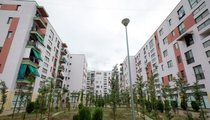
Private houses, still in "fashion" Albania, among countries that prefer individual housing. Spaniards, in apartments
The distribution of the population by type of residence varies between EU countries. This indicator also varies depending on whether you live in a city,......
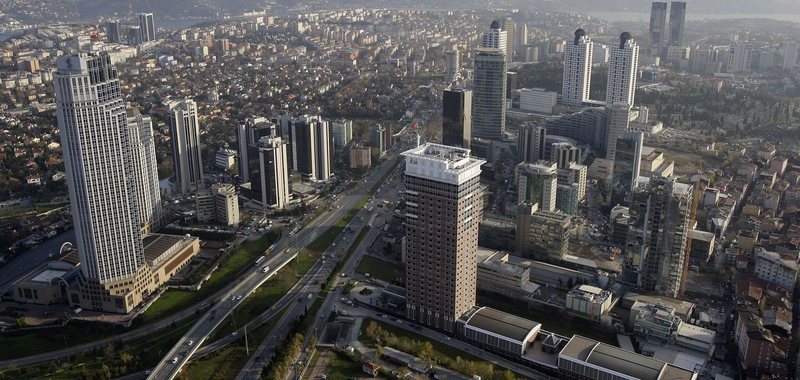
Turkish economy slows down - Expands by 3.7% in the third quarter of the year
Turkey's economy grew 3.7% in the third quarter from a year earlier, official data showed, as the pace of expansion slowed as agricultural activity fell.......

German parliament approves 2026 budget - Most defense funding since the Cold War
The German parliament has approved the budget for next year, which includes fewer funds for development aid. The document was approved with the votes of the......

Over 1 million passengers in October alone - Tirana International Airport continues its upward trend
Tirana International Airport recorded a significant increase in passengers during 2025, reaching a record in October with 1 million 48 thousand 706......

How has this month started for the major currencies?
The week and this last month of the year have started with stability for all major currencies with the European currency being bought today at 96.2 lek and......

No free healthcare for foreign pensioners - France aims to end "paradise" from countries outside the EU
Foreign retirees who dream of spending their retirement in the sun on the French Riviera may have to reconsider their plans if free healthcare is......

The “Safe City” system starts operating - 1-month testing for drivers in North Macedonia
The "Safe City" system will start operating in North Macedonia today, initially in the city of Skopje, the municipalities of Tetovo and Kumanovo. It is......

Retirement age to increase - OECD report: Population aging will accelerate
The average retirement age in OECD countries will increase from 63.9 and 64.7 years, respectively, for women and men who retired in 2024, to 65.9 and 66.4......