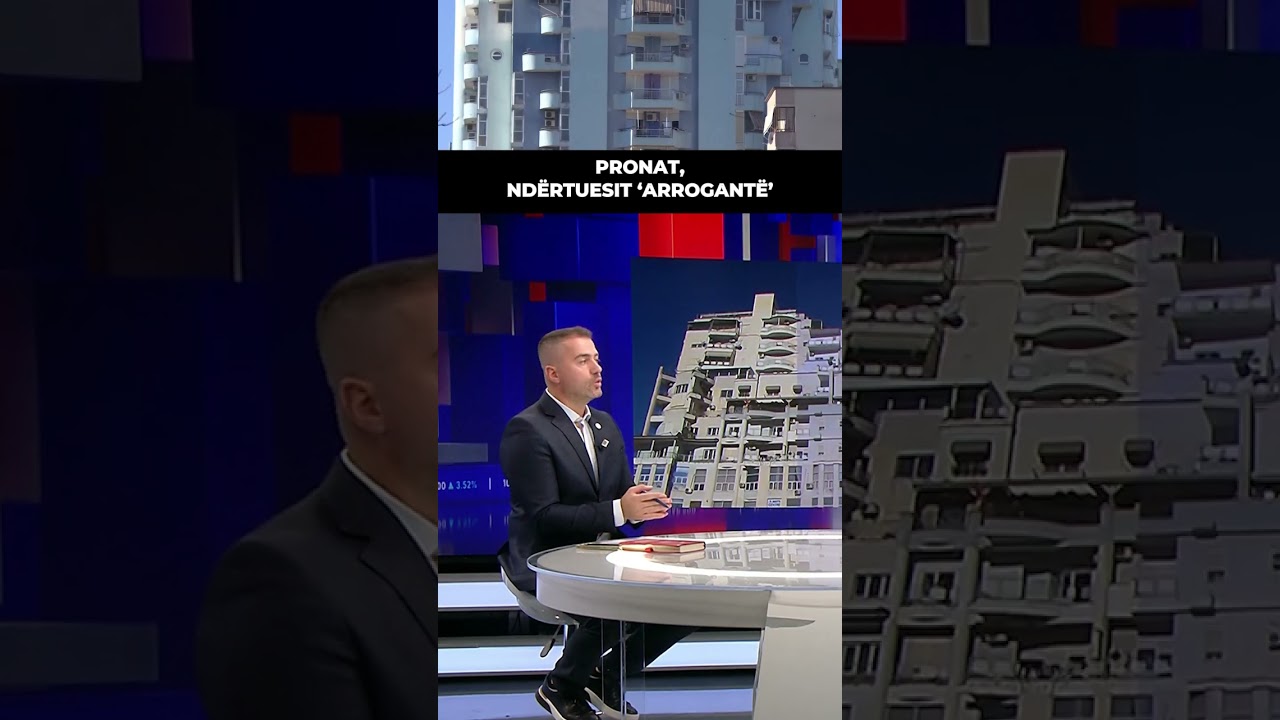
How will the tax be paid for unregistered properties? The law determines the cases for surfaces that are in use or units under construction


The taxpayer of the property tax will be the registered owner of the immovable property in the cadastral register or, in the absence of registration, the person who possesses the property ownership document.
However, the draft law on real estate taxation has provided for who will be responsible for paying the tax in cases where they do not have the ownership document.
Specifically, according to Article 9 of the draft, if the immovable property is a parcel owned by the state, given for use through the act of taking agricultural land for use, the taxpayer is its possessor.
If the real estate is a parcel occupied by a building unit, with or without a title deed, the taxpayer for the occupied area of the parcel is the possessor or owner of the building unit built on it. In this case, the occupied area of the parcel where the building unit is located will be considered to be three times the area of the building unit, but in no case greater than the area of the parcel or parcels where it is located (extended).
In cases where the area of the parcel is less than three times the area of the unit or units of the buildings constructed on it, the possessor(s) or owner(s) of the unit or units of the buildings are responsible for paying the tax for the entire parcel.
If the area of the parcel is larger than the area considered occupied, the tax for the unoccupied part is paid by the owner of the parcel or the holder of the deed of taking it into use.
The provisions of this point do not apply in cases where, in accordance with a notarial contract, the owner or possessor of the building unit has agreed with the owner of the plot to use and/or build on the latter.
If the real estate is not equipped with an ownership document, the taxpayer is the possessor of the real estate.
If the building unit has not been completed and is being constructed on the basis of a building permit, the taxpayer for it is the developer of the building unit. Exceptionally, when the building units have been put into use and transferred to the possession or ownership of other persons, despite the fact that the building as a whole has not been completed, the obligation to pay the tax lies with the possessors or owners of those units.
When the building unit is not completed and a building permit is not available for it, the taxpayer is the possessor of the building unit.
When real estate is jointly owned or jointly held by 2 or more persons, or is being developed by 2 or more developers, each of these persons is liable for the payment of tax liabilities in proportion to their specified share. If the shares are unspecified, then they are presumed to be equal. Taxpayers are individually liable for the payment of tax liabilities.
The designation of possessors as taxpayers does not violate the legal regime of ownership over immovable property and does not grant them ownership rights over these properties.
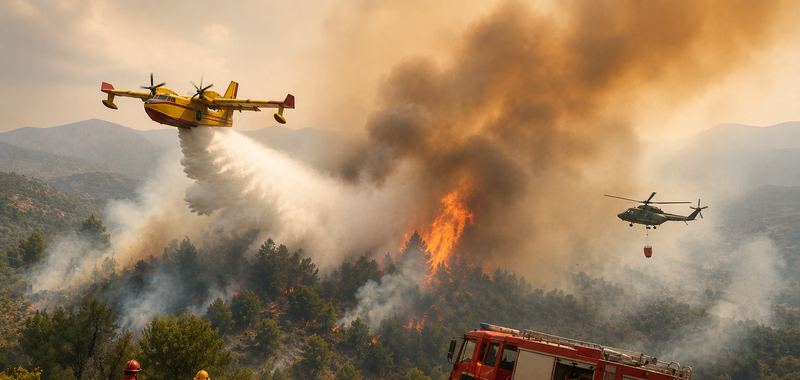
''Natural disasters, risk management priority''/ Çako: Over 2700 fires in 2025, strengthening of the protection system continues
The National Civil Protection Agency continues to strengthen the protection system through the legal framework, capacity building, investments and expansion......
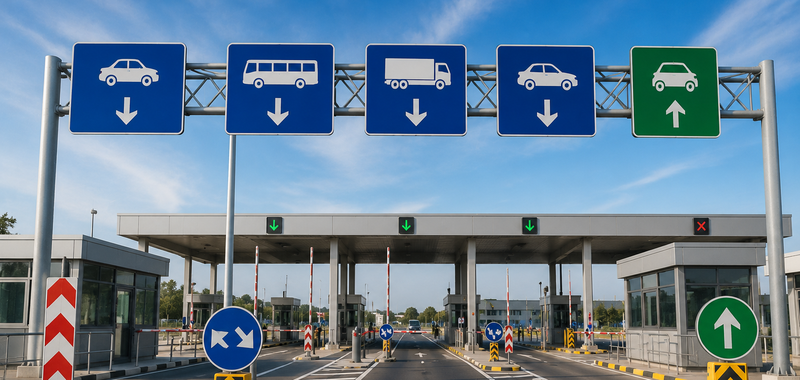
Border rules change, new signage at all points/ New standards for signs, lanes and passenger orientation
Border crossing points in Albania will operate with a new signaling and orientation system for travelers. The Council of Ministers has approved a new......

National register of regulated professions created/Recognition of qualifications, Albania aligns with the EU
Albania is preparing to reform the criteria for exercising regulated professions, as part of the European Union integration process. The Ministry of Economy......

Loan losses could reach 5.4% by 2030/ How is climate threatening financial stability in Albania?
Climate change is no longer just an environmental or economic challenge. A recent study shows that its effects are increasingly extending to the Albanian......
ERE expands compensation for energy suppliers/ Also includes costs from negative imbalances caused by network interruptions
The Energy Regulatory Authority has approved changes to the regulation on service quality standards in the distribution network, expanding the compensation......

Mandatory reporting on cross-border agreements/DAC6, new draft law expands the obligations of tax professionals
Tax advisors, lawyers, accountants and other professionals involved in the drafting or implementation of cross-border agreements will face new reporting......

How is Albania's external debt divided? BoA: The government bears the largest weight, while the private sector expands its liabilities
Albania's external debt continues to remain divided between the four main sectors of the economy. The sector that holds the largest share is the 'General......
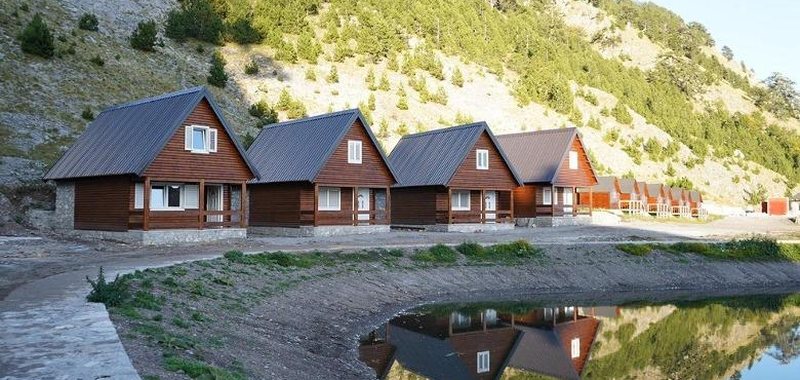
Paketa e Maleve, caktohen zonat me zhvillim parësor në Devoll, Kolonjë, Malësi e Madhe dhe Patos
Me katër vendime të posaçme qeveria ka përcaktuar zonat me zhvillim parësor në Bashkitë Devoll, Kolonjë, Malësi e Madhe dhe Patos. Për Bashkinë Devoll me......