The Albanian economy reduces the burden of external debt - About 10.37 billion euros, while the ratio to GDP marks a sharp decline to 38.9%

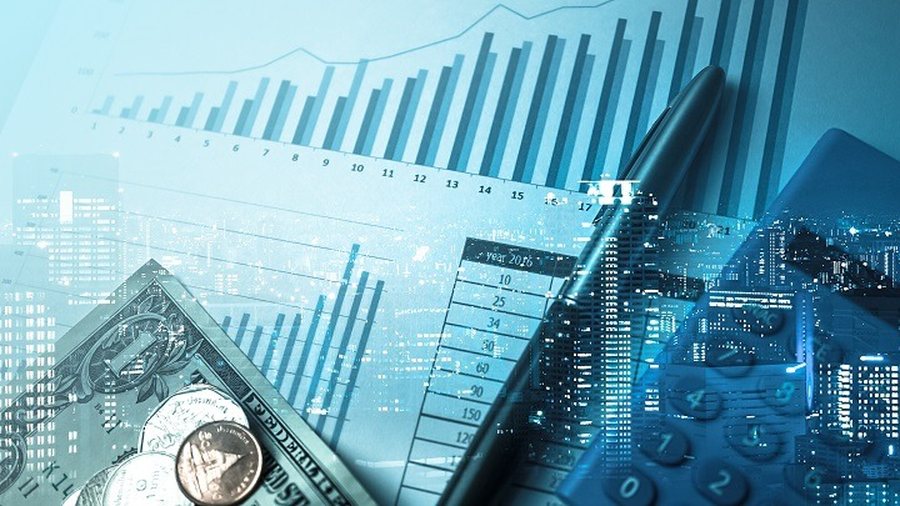
Albania's Gross External Debt has marked a significant decrease during the third quarter of 2025. According to data from the Bank of Albania, at the end of September, the level of debt that our country has abroad reached around 10.37 billion euros, shrinking by nearly 195 million euros in just the last three months. This represents a decrease of 1.8% compared to the previous quarter.
The main reason for this decline is what is called the “financial flow effect,” that is, the sum of incoming and outgoing cash transactions. During this period, these flows have been negative, meaning that the country has paid off more debt than it has borrowed. This has reduced the total stock by about 199 million euros. Meanwhile, exchange rate movements and other accounting adjustments have had a minimal and positive impact.
The structure of the country's external debt remains concentrated in long-term liabilities. Around 88% of all debt is long-term, indicating that Albania continues to rely mainly on financing that is repaid over many years. A significant decrease has been observed in this category, especially in long-term loans and debt securities, which are usually used by governments and institutions for strategic financing.
In terms of currencies, the euro remains the dominant currency. Around 74% of Albania's total external debt is denominated in euros, which is directly related to the country's trade relations and financing that comes mainly from Europe. It is followed by the US dollar and the International Monetary Fund's allocations in SDRs.
Another important indicator is the Gross External Debt to Gross Domestic Product ratio. At the end of September 2025, this indicator fell to 38.9%, from 41.5% at the end of last year. This is a positive signal for the Albanian economy, because it shows that the weight of debt in relation to the size of the economy is being reduced, thanks to economic growth and debt repayment.
Overall, the third quarter of 2025 marked an improvement in Albania's external debt position. The decline in the stock, the excessive non-disbursement of new loans, and the growth in GDP are creating a more stable picture for the economy, placing the country on a healthier financial trajectory.

The labor market loses 11 thousand young people in one year/ Employment in absolute terms experiences contraction, despite a slight increase in the rate
Around 6,500 people aged 15 and over have exited the labour market over the last year, the latest INSTAT data show, although the employment rate has......

Trump introduces “Gold Card” program - Expedited visas at a cost of $1 million
President Donald Trump's administration has officially introduced the "Trump Gold Card" visa program, which offers foreigners a fast track to obtaining......
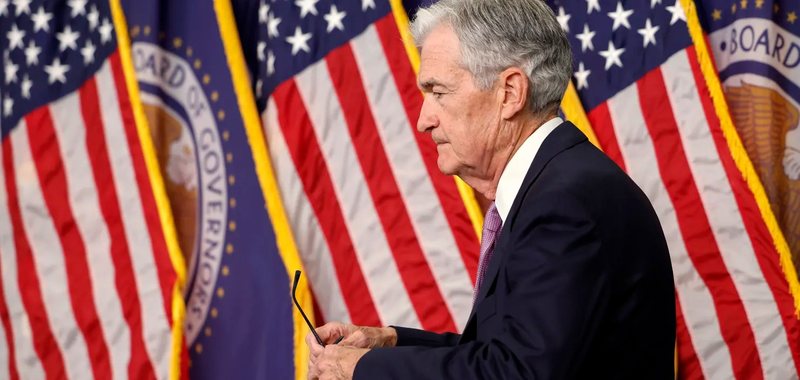
Fed cuts interest rate - Chairman Powell seeks to restore economic stability before leaving
The Federal Reserve announced a cut in the key interest rate by a quarter of a percentage point, or 25 basis points, bringing the target range to......

The US Dollar Weakens While the Franc Strengthens - How Much Are Major Currencies Exchanged Today?
The US dollar continued to decline this morning, as compared to the day before, it was bought today for 82.2 lek and sold for 83.3 lek according to the local......
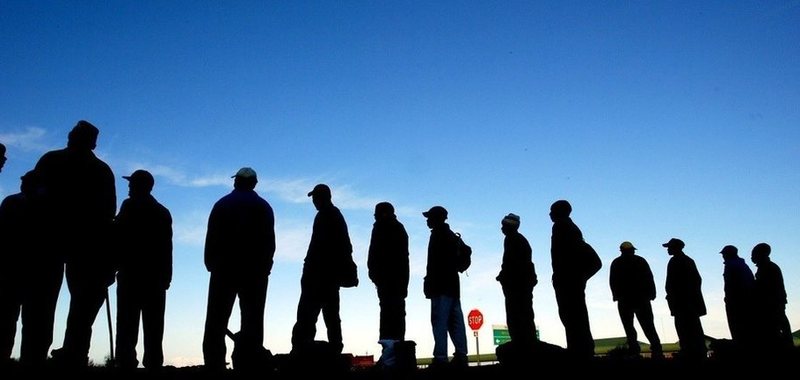
New rules for seasonal employment - In North Macedonia, they come into effect from January 1, 2026
From January 1, 2026, the Law on Employment of Persons will enter into force in North Macedonia, a new regulation that aims to formalize seasonal employment......

Internal combustion engines are back in fashion - Reason: political and trade tensions, doubts about electric vehicles
Car buyers around the world are turning to internal combustion vehicles due to policy changes, trade wars and growing skepticism about the infrastructure and......
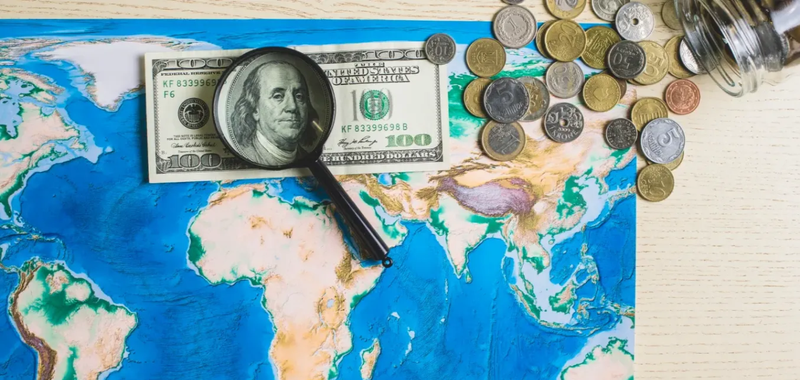
Immigrants send money 'more than ever'/ In nine months they bring around 816.45 million euros to the Homeland
Remittances from Albanian emigrants have set another historic record in the third quarter of 2025, reaching 284.7 million euros, according to data from the......

The average salary in Albania reaches 83,300 lekë/ Craftsmen and workers, the surprise of the year. Salary increase over 10%
The average gross monthly salary for salaried employees in Albania reached 83,300 lek during the third quarter of 2025. This figure represents an increase of......