54% renewable energy by 2030 - Government revises plan. Measures for production, consumption and transport


By 2030, 54% of final energy consumption should be covered by renewable sources. The target is part of the new National Energy and Climate Plan 2020–2030, the basic document for the country's energy and climate policies until the end of the decade. It completely replaces the plan approved in 2021, which provided for a somewhat more ambitious target of 54.4%, while in the area of efficiency, the new plan aims for an 8.4% reduction in energy consumption compared to the reference scenario.
To achieve these objectives, one of the main directions is the diversification of electricity production, through the increase of solar and wind sources. Currently, the Albanian system relies largely on hydroelectric power plants, making production sensitive to rainfall and climatic conditions. For this reason, the plan foresees continued support for new renewable capacities, in addition to self-production of energy.
Integrating more solar and wind resources also requires interventions in the electricity system. The plan includes strengthening and modernizing the grids, increasing system flexibility, and developing energy storage capacities to cope with variable production from renewable sources.
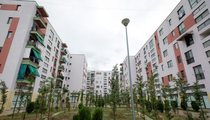
Another pillar is reducing consumption through energy efficiency. The measures affect public and residential buildings, through improving their energy performance and using more efficient technologies and equipment.
Interventions are also foreseen in transport, one of the sectors with the largest share in final energy consumption. Electrification of transport, expansion of charging infrastructure, public transport and increased use of renewable sources are among the directions aimed at reducing dependence on fossil fuels.
In parallel, the plan sets out measures in industry, agriculture, land use and forestry, and waste management. Through them, it is intended to limit greenhouse gas emissions in 2030 to around 10.21 million tons of CO₂ equivalent.

The week starts negatively for foreign currencies
The US dollar has started this week negatively, recording another decline in value compared to the week before, as it was bought this morning at 78.4 lek and......

One in five residents under 18 years old/ How does Albania rank compared to the region and the world?
The percentage of the population under 18 is one of the indicators that helps to understand the demographic structure of a country. It shows how young the......

Tourism, an important sector for banks/ Accommodation represents 10.3% of the business loan portfolio
Credit to the tourism-related sector is picking up, reflecting the expansion of investments in accommodation and food services. According to data from the......
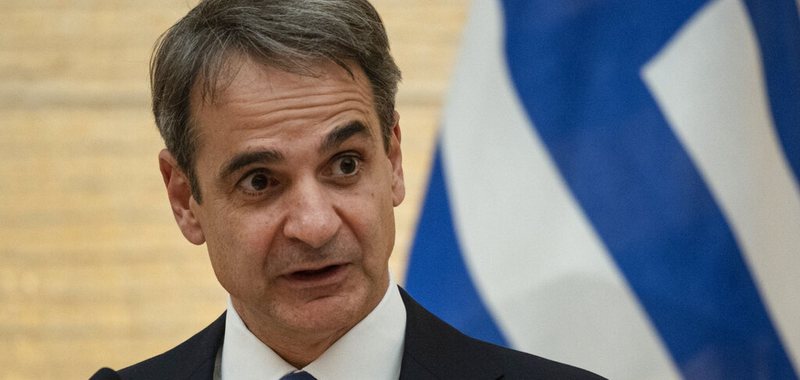
"No early elections" - Mitsotakis: Tax cuts and wage increases
Greek Prime Minister Kyriakos Mitsotakis has ruled out the possibility of early elections, confirming that general elections will be held in the spring of......
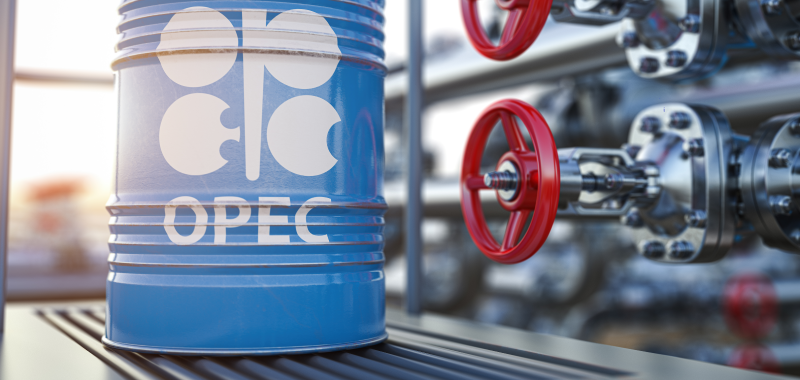
OPEC+ "freezes" oil production - Producer group postpones major decisions to 2027
OPEC+ has decided not to change its oil production policy for October, after a meeting of the group's seven main countries: Saudi Arabia, Russia, Iraq,......
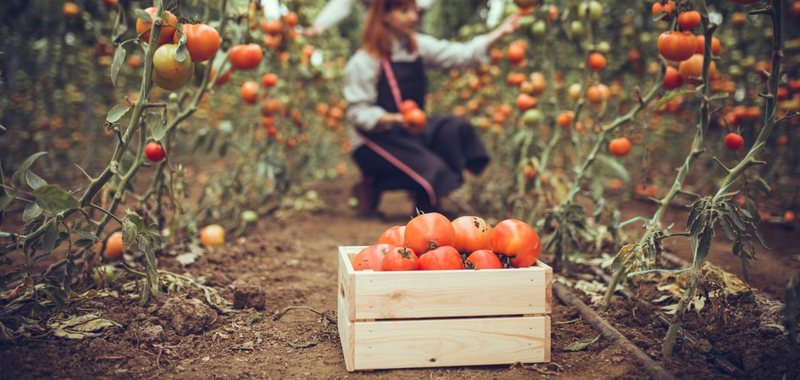
1 billion euros in aid for farmers - Drought and heat hit French agriculture hard
The French government has announced an aid package of more than 1 billion euros for farmers, following damage caused by record heat waves and drought this......

EU challenges Trump on Greenland - Von der Leyen announces new investments in the Arctic
European Commission President Ursula von der Leyen has begun a two-day visit to Greenland, at a time when the autonomous Danish territory has returned to the......

Where are Europeans spending their money? - Inflation is changing the way people spend their money. 46% goes to basic needs
Almost half of the money spent by households in the European Union goes on four basic categories: food, housing and energy, as well as transport. According......