European Parliament supports digital euro - Aims to reduce US dominance in payments

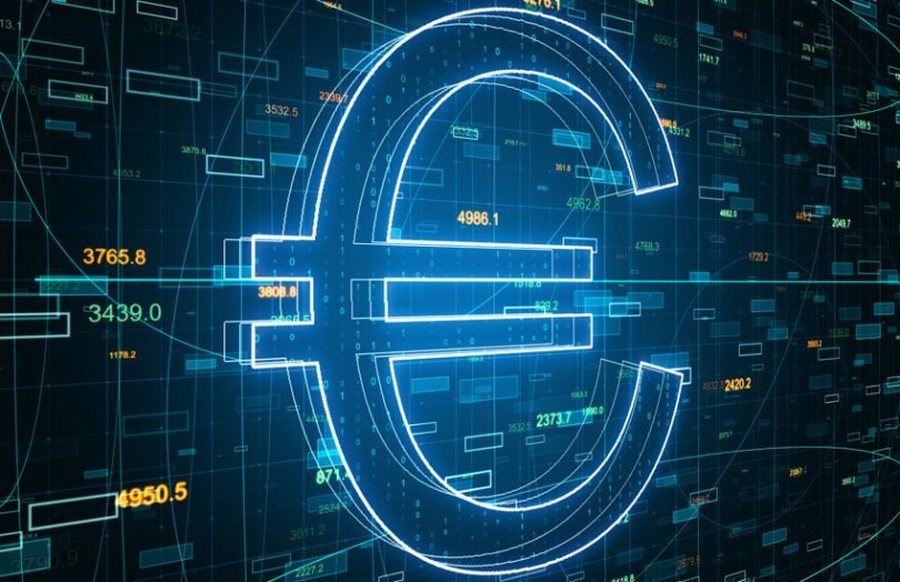
The European Parliament's Economic and Monetary Affairs Committee has approved the digital euro as the EU seeks to reduce its dependence on US-controlled payment systems. According to data from the European Central Bank (ECB), US payment giants Visa and Mastercard account for 61% of card payments in the euro area and almost all cross-border card transactions.
The debate over Europe's financial sovereignty has gained momentum amid rising geopolitical tensions and concerns about the bloc's reliance on foreign payments infrastructure. The digital euro is one of the measures put forward to strengthen Europe's strategic autonomy. It would be a digital form of central bank money, issued and backed by the ECB, designed to complement, rather than replace, existing cash and banking services.
Under the proposal, consumers would be able to hold digital euros in a dedicated wallet, subject to a spending limit that has not yet been set. The system would support both online and offline payments and aims to offer a high degree of privacy, with the ECB unable to directly identify users from their payment data.
The ECB will provide the basic infrastructure, while commercial banks and payment service providers will offer digital services in euros to customers. Both financial institutions and merchants are expected to be compensated for their participation in the scheme.
The European Parliament is expected to formalise the committee's position during a plenary vote in Strasbourg in early July. Negotiations with the 27 EU member states will then begin, with lawmakers aiming to reach an agreement before the end of the year.
The European Union is not alone in developing a public digital currency. China has already introduced its own digital yuan, while Russia has announced that its own digital ruble will launch in September 2026. The United States has taken a different approach. President Donald Trump has abandoned plans for a central bank digital currency issued by the Federal Reserve and has instead supported the development of stablecoins — privately issued crypto assets designed to store a stable value. Since the vast majority of global stablecoins are denominated in U.S. dollars, supporters argue that the technology could strengthen the dollar’s international role and expand its use in cross-border payments.
Fuel prices rose sharply in the EU - By 20.7% in May due to the crisis in the Strait of Hormuz
Prices of fuels and lubricants for personal transport in the European Union increased by 20.7% in May 2026 compared to the same month last year, according to......
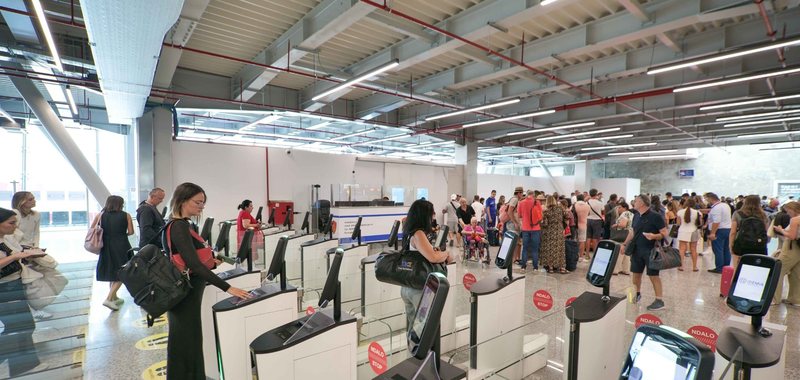
January-May, over 193 thousand passengers at the Port of Durres - APD: All structures operating at the port, ready for the summer season
The Durrës Port Authority announces that during the first five months of 2026, a total of 193,428 passengers were processed at the Ferry Terminal, marking an......
EU, banking reform by early 2027 - Aiming to unlock billions of euros in investments
The European Union will propose new legislation to reform the banking sector, aiming to break down financial barriers within the bloc and reduce its......

Over 1,600 new businesses registered in May - QKB: Digital services, in focus of enterprises
The National Business Center administered 14,897 online applications during the month of May, while the most used services were those related to commercial......
Serbia lifts fuel excise tax cut as global oil prices continue to fall
Serbia is further reducing excise duty cuts on motor fuels, the government said, as global oil prices have continued to fall amid progress in peace talks......
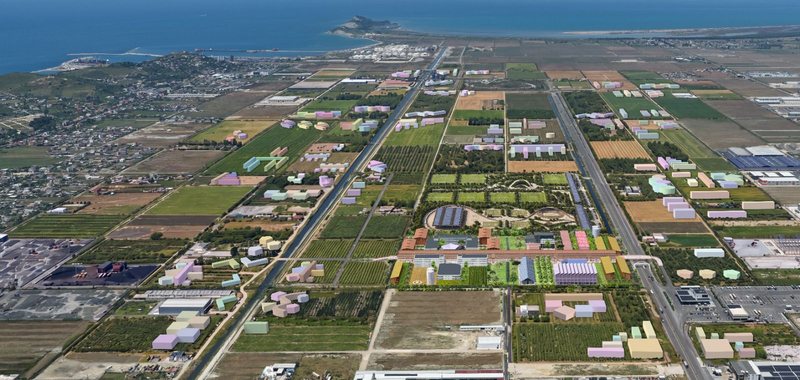
Fituesi për Kampusin e Universitetit të Durrësit, 51N4E+Jeshile përzgjidhet mes 5 konkurentëve
Universiteti i Durrësit do të ketë një kampus të ri. Në garën ku morën pjhesë 5 ekipe ndërkombëtar për ndërtimin e tij fitues është shpallur bashkimi i......
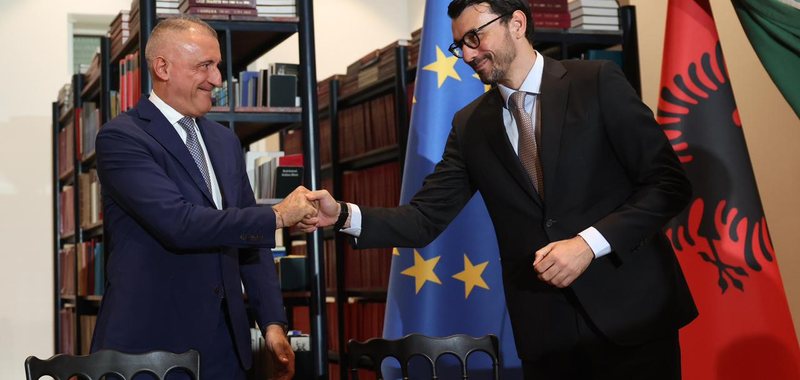
Albania memorandum of cooperation with ENI, Karakaçi: National HUB for energy products
Albania has taken another important step towards strengthening its energy security. In the presence of Prime Minister Edi Rama, Ministers Enea Karakaçi and......
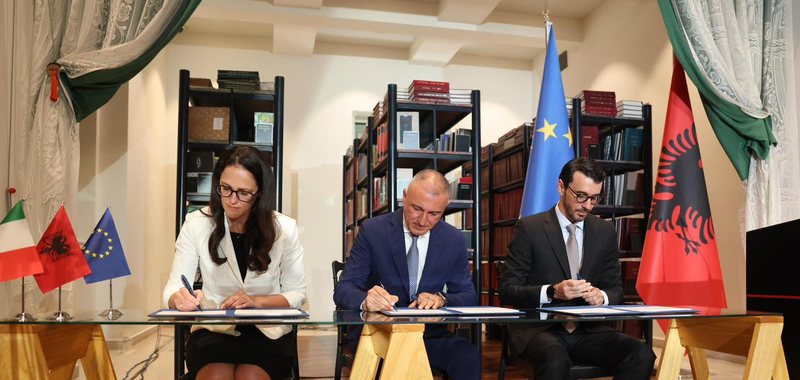
Siguria energjetike, memorandum Shqipëri-Eni S.P.A. Rama: Shqipëria nuk do të ketë më dilema nga krizat
Qeveria shqiptare ka nënshkruar një Memorandum Mirëkuptimi me Eni S.p.A. për studimin e fizibilitetit të krijimit të kapaciteteve kombëtare për furnizimin......