Consumer prices across Europe - Which countries are the most expensive and cheapest?

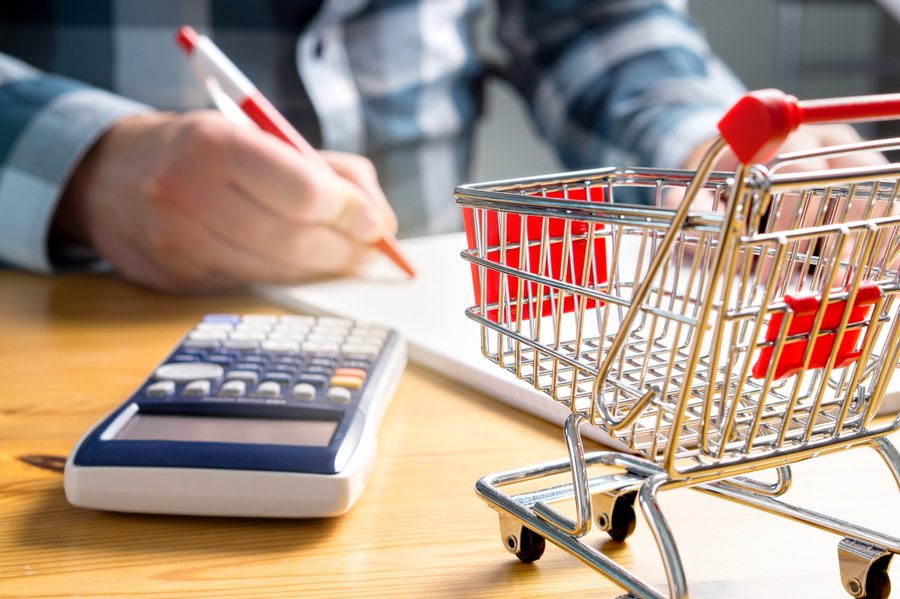
The same shopping basket can cost almost four times as much, depending on where you are in Europe. But which countries are the most expensive and how can they be compared fairly?
Eurostat's price level indices provide the answer. They compare the cost of consumer goods and services in each country with the EU average. Simply put, if the same basket of goods and services costs an average of €100 across the EU, how much would that basket cost in each country?
To make the comparison representative, Eurostat bases the indices on the annual average national prices for more than 2,000 goods and services.
Within the EU, the gap is clear. Luxembourg tops the list, while Romania has the lowest prices. Consumer prices in Luxembourg are 2.5 times higher than in Romania. When EU candidate countries and EFTA members are included, Iceland becomes the most expensive country and North Macedonia the cheapest, widening the gap to 3.7 times.
In general, Western and Northern Europe tend to have higher price levels, while Central and Eastern Europe remain cheaper. Switzerland seems expensive, but Swiss wages are so high that purchasing power there is among the strongest in Europe; the same price level with a much lower salary would feel very different.
Denmark (40.2%), Ireland (39.6%) and Norway (38.4%) are also among the most expensive countries in Europe, around 40% above the EU average.
Among the four largest EU economies, Germany is the most expensive, with prices 9.1% higher than the EU average, while Spain is 8.9% cheaper. This means that a person would pay 18 euros more in Germany than in Spain for the same basket.
At the other end of the scale, prices are significantly lower in most of Southeastern Europe. In North Macedonia, a 100-euro basket of goods would cost just 49.7 euros, less than half the EU average. It would also cost 52.2 euros in Turkey, followed by Bosnia (55.7 euros), Romania (58.9 euros) and Bulgaria (60 euros). These countries are at least 40% cheaper than the EU. Montenegro (61), Serbia (62.5), Albania (65.7), Poland (71.1) and Hungary (71.6) are also among the cheapest countries, with prices at least 25% below the EU average.

"Countries outside the euro are not progressing towards membership" - ECB publishes report: Still far from meeting criteria
European Union countries outside the euro have made little or no progress on convergence in recent years and even Hungary, the country most actively......
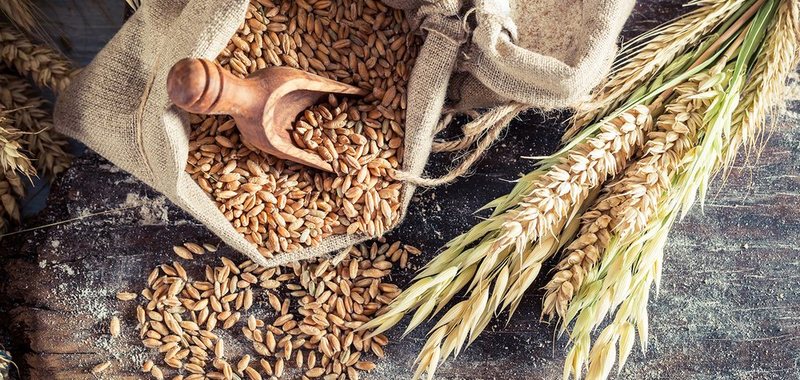
Korça "dethrones" Fier from the throne of wheat/ About 1 in 4 kg comes from the southeastern region. Production drops to the lowest level
Agricultural production in Albania reached 9.7 million tons in 2025, while cereals continue to remain one of the most important groups of field crops.......
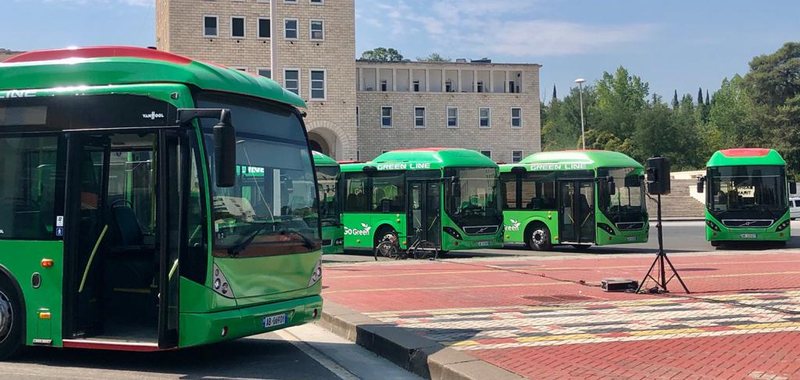
Urban transport is exempt from the obligation for POS - Ministry of Finance: They are not obliged to be equipped with payment terminals
Operators providing urban public transport services will not be required to be equipped with POS/POI terminals for making electronic payments. The......

The total number of employees fell slightly during 2025/ Wage earners and self-employed people increase, while family work decreases
The employment structure in Albania has changed during 2025, with the main trend being an increase in the share of salaried employees and a contraction of......
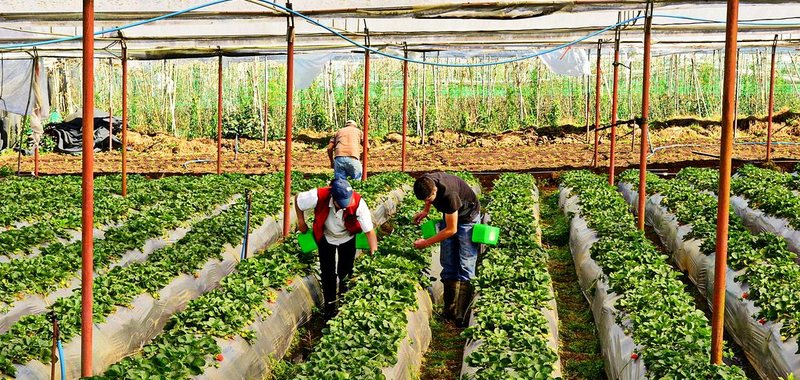
Agricultural production reaches 9.7 million tons - 2025/ Vegetables grow more, cereals, fruits and olives less
Albanian farmers produced around 9.7 million tons of agricultural products in 2025. According to official data from the Institute of Statistics, vegetables......
How did the livestock structure change during 2025? The number of beehives increased by 9.8%, while the strongest decline was recorded in pigs
During 2025, the livestock sector in the country has seen some changes in structure and production levels compared to the previous year. According to data......
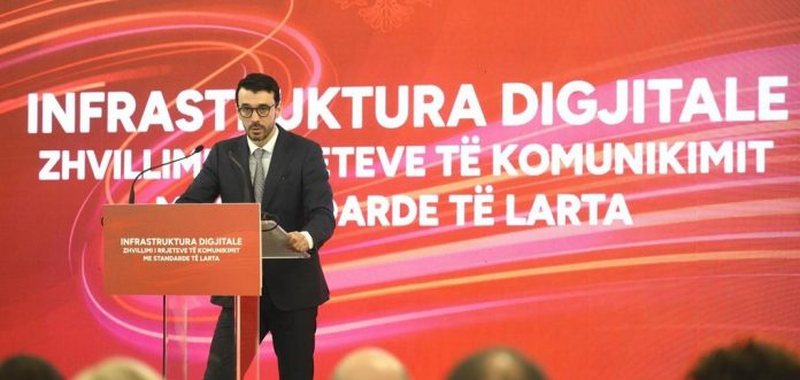
Karakaçi: Albania aims for Gigabit society with investments in modern networks and 5G coverage
The Minister of Infrastructure and Energy, Enea Karakaçi, stated that Albania is harmonizing the development of electronic communications networks with......
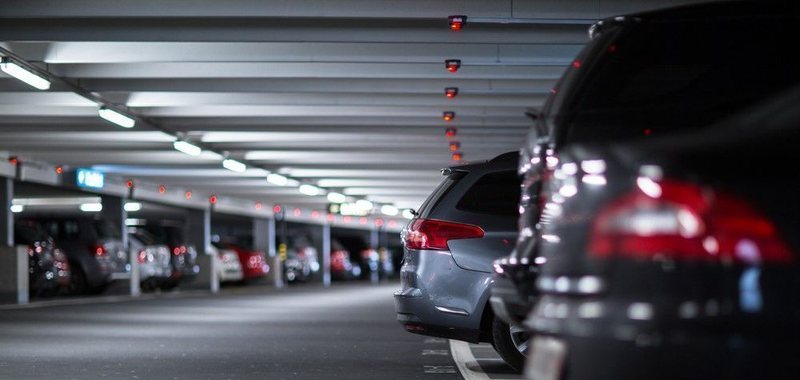
"Electric buses and logistics park for public transport" - Rama: New program also for parking in all municipalities
Prime Minister Edi Rama announced that the national program "Urban Renaissance 2.0" will include new measures to modernize public transport and improve......