Where in Europe do families save the most? Sweden and Hungary, at the top. Greece, in negative territory

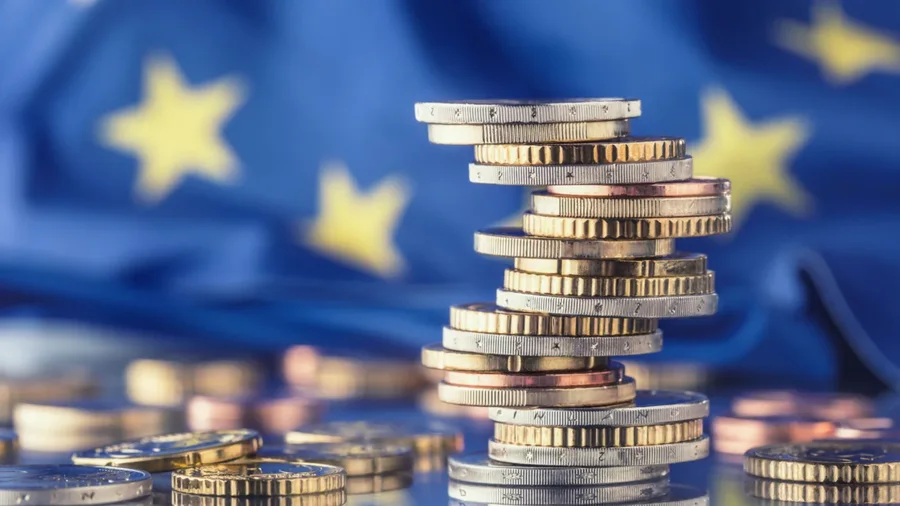
Net household saving represents the portion of income that is not spent on final consumption. According to the OECD, net household saving rates vary widely across Europe. In 2024 or 2025, they range from -9.3% in Greece to 14.7% in Sweden and Hungary, compared to an EU average of 8.1%.
Greece is the only country in negative territory. This means that households there spent more than their net disposable income, either drawing on accumulated savings or borrowing to finance their spending. In addition to Hungary and Sweden, the net household saving rate exceeds 10% in the Czech Republic (13.7%), France (12.8%), Germany (10.3%) and the Netherlands (10.2%). Spain (9.2%) and Ireland (9%) also remain above the EU average.
While France, Germany and Spain have savings rates higher than the EU average, the United Kingdom (4.7%) and Italy (3.2%) have relatively lower figures. In Latvia, the rate is zero — meaning households spend every penny of their income. Slovakia (2%), Estonia (3%), Portugal (3.4%) and Lithuania (3.8%) are all below 4%. Two Nordic countries also fall below the EU average: Denmark (7.5%) and Finland (4.4%).
Greece was recording the highest share of households with consumption over income in the EU at the height of its sovereign debt crisis in 2015, and the second highest after Romania) even around 2020 during the COVID-19 pandemic when consumption opportunities fell sharply.
The savings rate in Greece was mostly positive in the early 2000s, although it briefly fell below zero several times. Things changed significantly from 2010, as the debt crisis pushed the rate deep into negative territory, reaching its lowest point of -16.5% in 2013.
After returning to near zero in 2021, Greece fell again to -12.2% in 2022 and has remained around -9% since then.
The EU average remained broadly stable over the same period, with a significant increase to 12.4% in 2020, as lockdowns due to the pandemic left households with less to spend.
Greece was one of the EU countries in 2024 where the average level of adjusted gross disposable household income per capita was more than 20.0% below the EU average according to Eurostat.
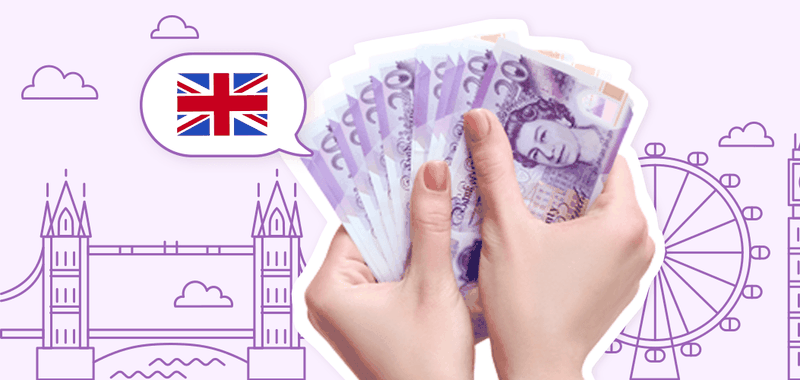
High prices for British consumers/Only 16% of firms remain unharmed by the conflict
The disruption to global shipping, coupled with rising energy and raw material prices, has increased costs for UK companies, with the impact already reaching......
"ECB should raise interest rates in June"/ Schnabel: Decision-making even if peace agreement with Iran is reached
"The ECB should raise interest rates in June, even if peace talks with Iran produce a deal, as the conflict has lasted much longer than anticipated and high......

Nordics and Asians "discover" Albania/ Denmark and India, again with the strongest growth in April
April brought another increase in the number of foreign nationals entering Albania, but this time what stands out the most are not just the total figures,......

Applications open for the national agricultural scheme - Fund dedicated to 12 support measures, 5.2 billion lekë
Applications for the National Agriculture Scheme 2026, which provides for a fund of 5.2 billion lek, which will be translated into 12 measures and......

Small-sized gas plants - ERE initiates procedures for the approval of type licenses for LNG and CNG
The Energy Regulatory Authority has initiated procedures for the approval of standard licenses for the operation of small-scale liquefied natural gas (LNG)......
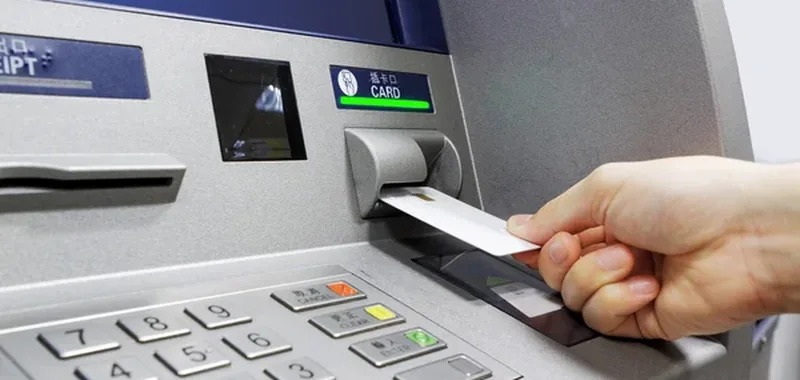
ATM network expands, but functions remain underutilized - BoA: Cash withdrawals dominate. Order transfers and deposits, minimal use
While the number of ATMs continues to grow, Albanians continue to use them primarily for a single function: withdrawing cash. According to the latest data......

In four months, over 2.5 million foreign arrivals/ Southern Europe dominates tourism in the country, accounting for about 70% of the total
After a weak start to the year in terms of foreign national arrivals, April has confirmed the continuation of tourism growth, thus signaling the start of the......

Additional 288 million euros in the state budget - Consumption makes the main contribution to growth, followed by social security
In the first 4 months of the year, the state budget has collected around 275.7 billion lek, exceeding the plan for the period by 105.2%. Compared to the......