Germany, 5.4 trillion euros for energy transformation/ More efficient approach needed to facilitate businesses and consumers

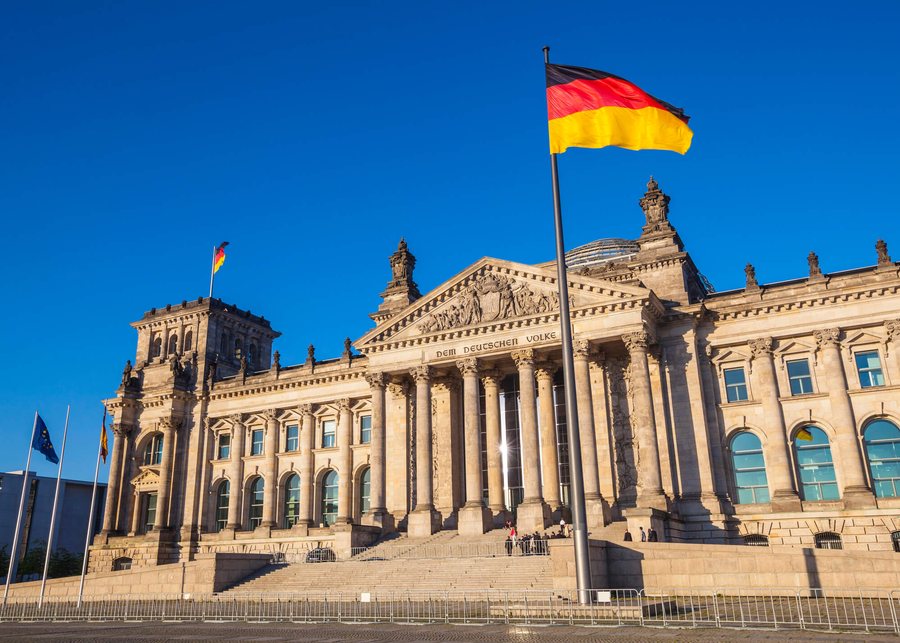
The Federal Chamber of Industry and Commerce in Germany has warned that the current strategy for energy transformation could cost the country's economy 5.4 trillion euros by 2049. This would create a heavy burden on businesses and households, weakening competitiveness.
Berlin's goal is to achieve 80% renewable energy supply by 2030 and climate neutrality by 2045. But despite the rapid growth of green sources such as wind and solar, electricity prices remain among the highest in Europe.
"With current policies, the energy transition cannot succeed. It risks moving energy-intensive industries abroad, weakening Germany's economic base," the report says.
According to a study conducted by Frontier Economics, annual private investment in the energy, industry, buildings and transport sectors will need to increase from an average of 82 billion euros during 2020–2024 to a figure between 113 and 316 billion euros by 2035.
Energy system costs for the period 2025 to 2049 are projected to be between 4.8 and 5.5 trillion euros, including up to 2.3 trillion euros for imports and 1.2 trillion euros for electricity grid infrastructure.
The study calls for a more cost-effective approach and international coordination through strengthening carbon trading, lighter regulations, and expanding gas networks for hydrogen and decarbonized gas.
It is estimated that such measures could bring savings of up to 910 billion euros by 2050. Total savings could exceed 1 trillion euros if climate neutrality targets are relaxed.

Commissioner's Office meets with Bank executives/Dervishi: New law on personal data protection, challenge and opportunity for the banking sector
The Commissioner for the Right to Information and Personal Data Protection, Mr. Besnik Dervishi, held a meeting with the leaders of banking institutions and......
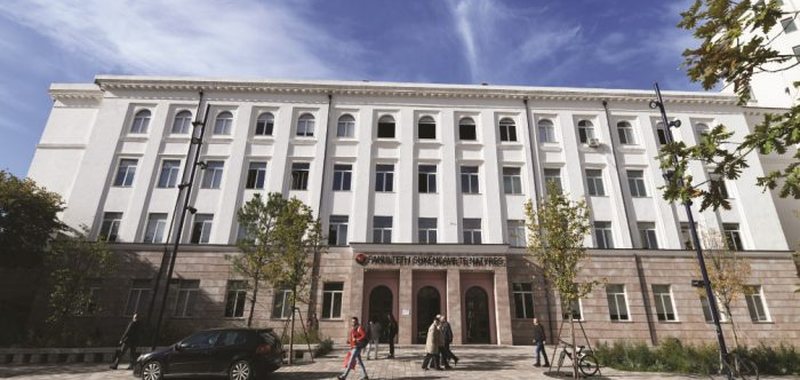
"More applications in engineering and informatics"/ Xhelaj: Future doctors, police officers, and architects close registrations
Over 50% of high school graduates have closed their registrations at university branches. In an interview for Scan TV, the head of the Albanian Academic......
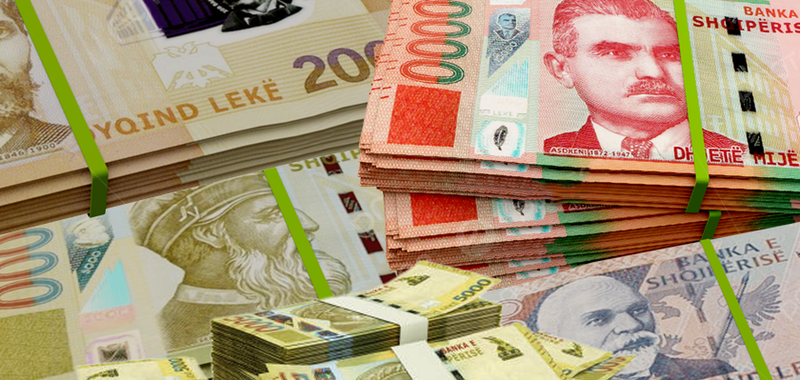
How much money is circulating in Albania? BoA: The amount has increased by 15% since 2022
The money circulating in Albania reached a record figure of 903 billion lek in July, while in a span of 3 years it has increased by 15%. Currency in......
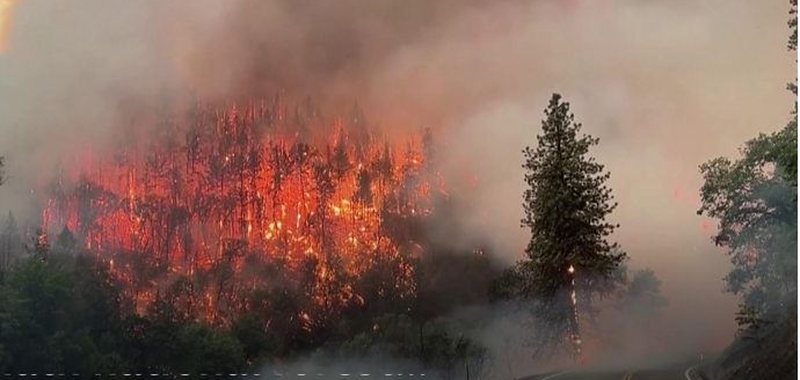
Fires, how will livestock farmers be compensated? Kullolli: 40 groups in the field. The damage has been recorded
The National Veterinary and Plant Protection Authority, through 40 groups of veterinarians distributed throughout the country, has documented the......
Water reform, how were regional companies created? The goal, increasing the quality of service and the financial sustainability of the companies
The latest reform in the water supply and sewage sector began in May 2022. According to forecasts, from a system distributed across 58 companies in 61......
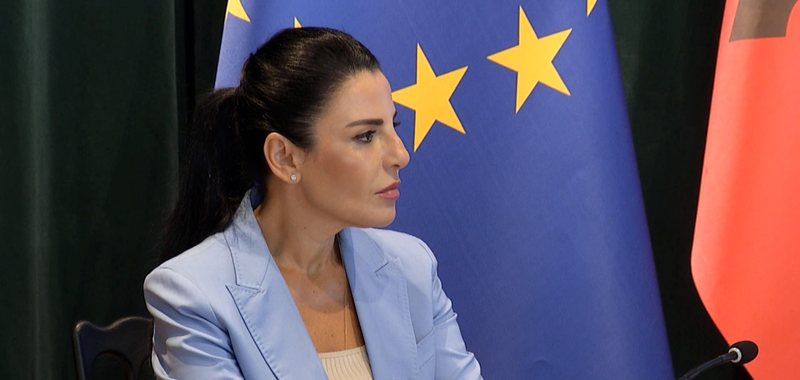
National water operator established/ Rama: Structure, to guarantee efficiency of the sector. Balluku: How will it function
The Water Operator, a new national structure focused on managing all water resources in the country, will be operational from January 2026, to guarantee......
How did tourism return to a growth trajectory? The Euro helped Albanians vacation abroad
Global tourism has returned strongly to an upward trajectory, fully recovering from the effects of the pandemic. The increase in international demand has......
Municipalities, 36 million euros in debt to repay/ From Tirana, to Cërrik. Which units have the most liabilities?
In the first half of the year, the debts carried by municipalities towards companies that perform public works but also towards citizens were recorded at a......